BAKU, Azerbaijan, October 16. Uzbekistan is
advancing plans with Azerbaijan and Kazakhstan to export green
electricity to Europe via the Caspian Sea, as the country steps up
energy infrastructure investment after allocating more than $2
billion to electricity grid modernization over the past five years,
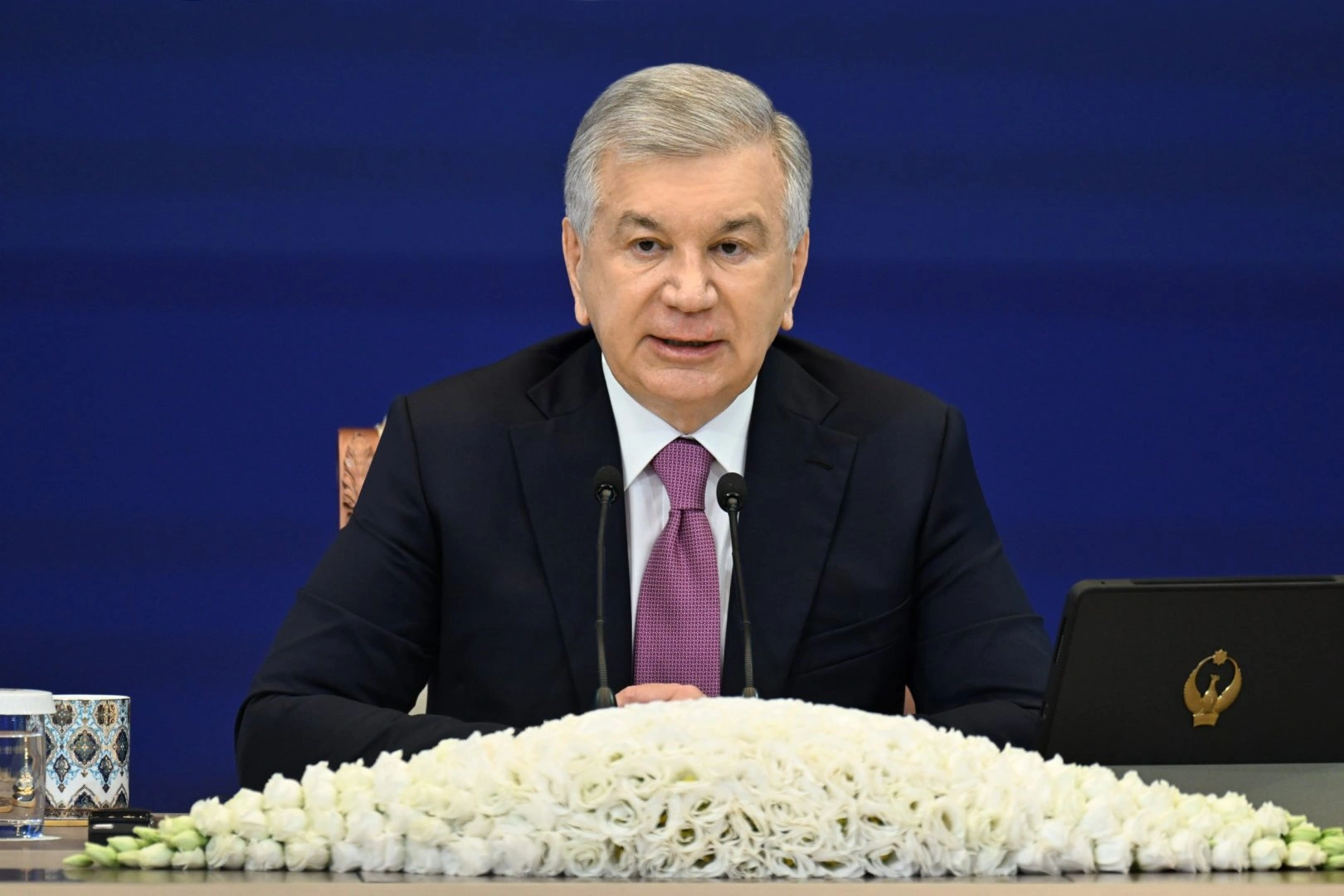
President Shavkat Mirziyoyev said during a meeting with investors
in the fuel and energy sector in Tashkent on October 16.
This was reported on the official channel of the press secretary
to the President of the Republic of Uzbekistan, Sherzod Asadov.
By 2030, Uzbekistan plans to build 5,000 kilometers of power
lines and 16 major substations and expand energy storage capacity
to 4.5 gigawatts.
The next phase of the country’s energy development will focus on
upgrading power grids and expanding energy storage systems.
Most of the planned projects will be implemented in
Karakalpakstan and the Bukhara, Jizzakh, Samarkand, Namangan,
Kashkadarya and Tashkent regions.
Going forward, priority will be given to integrated projects
combining electricity generation, energy storage and grid
infrastructure. Uzbekistan also plans to work with investors to
develop pumped-storage hydropower plants to provide long-term
energy storage.
Uzbekistan is also seeking to expand its role in international
energy markets. A project to supply green electricity to Europe via
the Caspian Sea, involving Azerbaijan and Kazakhstan, is moving
into the practical implementation stage. Afghanistan and South
Asian markets have also been identified as promising destinations
for energy exports.
President Shavkat Mirziyoyev emphasized that Uzbekistan is
entering international energy cooperation by leveraging its own
capabilities, including natural resources, industrial enterprises,
engineers, and skilled young people.
He noted that combining these resources with investment and
advanced technologies could help generate greater economic
value.
The economic concept behind the “O‘z” idea, he said, is to
develop the country’s domestic potential, cooperate with the world
on equal terms and take responsibility for a shared future.
Energy projects are expected to generate significant demand for
locally manufactured products, including copper products, cables,
transformers, metal structures and construction materials.
Mirziyoyev stressed that domestic companies should be able to
compete on quality, price, and compliance with international
standards.