BAKU, Azerbaijan, October 14. Kazakhstan's
government aims to reduce the republican budget deficit to 0.4% of
GDP by 2029, down from a projected 2.3% in 2027, Prime Minister
Olzhas Bektenov said.
This was reflected in the statement published by the government
of Kazakhstan.
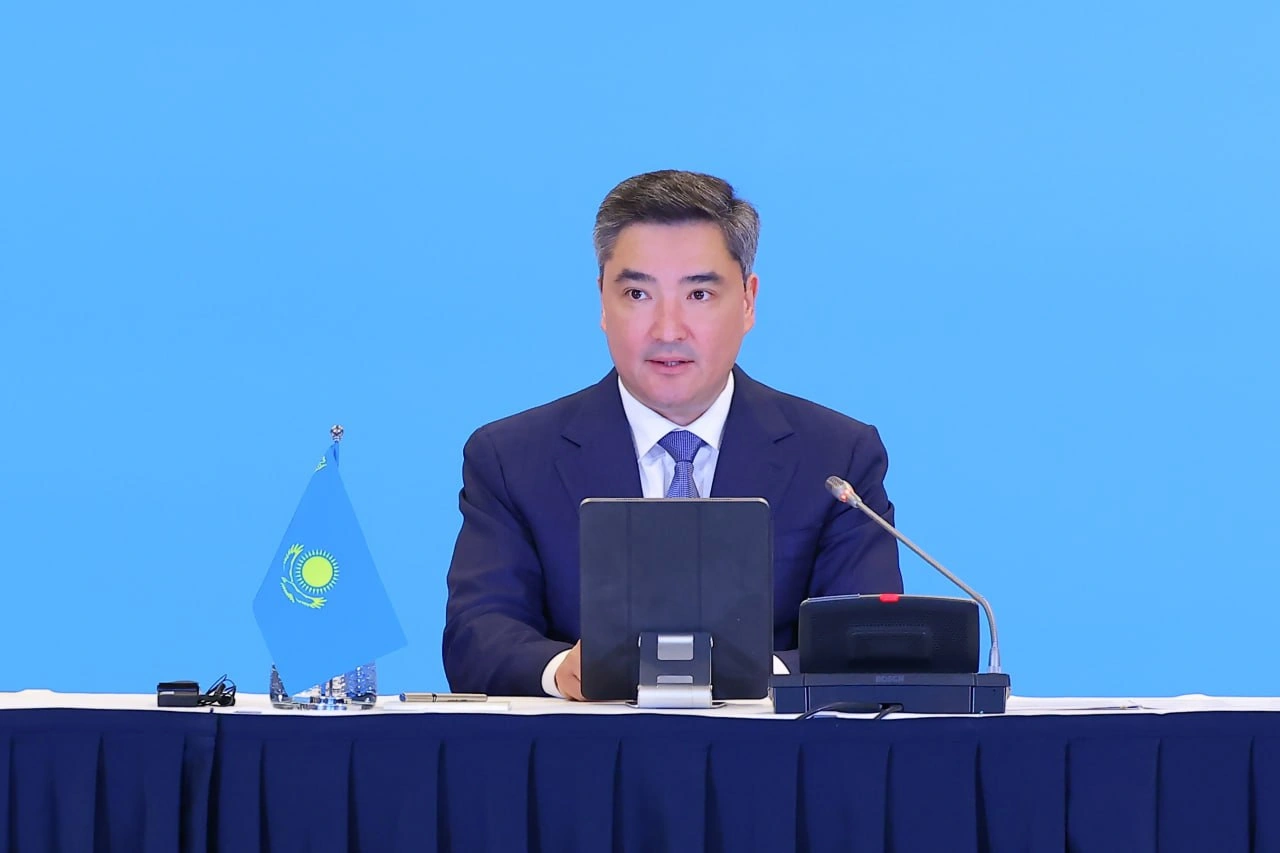
Speaking at a meeting of the Kurultai in response to a question
from MP Natalia Godunova about the projected budget deficit for
2027, Bektenov said the government remained committed to
strengthening public finances and reducing the budget's dependence
on borrowing and transfers.
He noted that the budget is prepared annually for three years,
with the parameters for the second and third years updated to
reflect current macroeconomic forecasts, external economic
conditions, and other factors affecting government revenue and
expenditure. This approach allows the government to set medium-term
fiscal policy priorities while accounting for changes in economic
conditions.
“Reducing the budget deficit is one of the government's main
priorities. It was, is, and will remain so. We always aim to narrow
the gap between budget revenues and expenditures as much as
possible. There are two ways to do this: increase budget revenues
and optimize spending. We are working in both areas,” Bektenov
said.
According to Kazakhstan's socioeconomic development forecast and
republican budget parameters for 2027–2029, the budget deficit is
projected at 4.6 trillion tenge ($10.28 billion), or 2.3% of GDP,
in 2027. By 2029, it is expected to fall to 1 trillion tenge ($2.23
billion), or 0.4% of GDP.
To reduce the deficit and ensure the long-term sustainability of
public finances, the government plans a range of measures. These
include strengthening the revenue base through economic growth,
broadening the tax base, implementing tax reform, and improving tax
and customs administration.
To improve spending efficiency, the government will conduct a
comprehensive review of existing budget programs to eliminate
inefficient public expenditure.
The government will also continue to adhere to established
budget constraints, take a measured approach to the use of National
Fund resources, and account for the cost of government
borrowing.