
BAKU, Azerbaijan, October 13. In the first half
of 2026, the assets of non-bank credit institutions (NBCIs) in
Azerbaijan grew by 23% and reached 1.53 billion manat ($900
million).
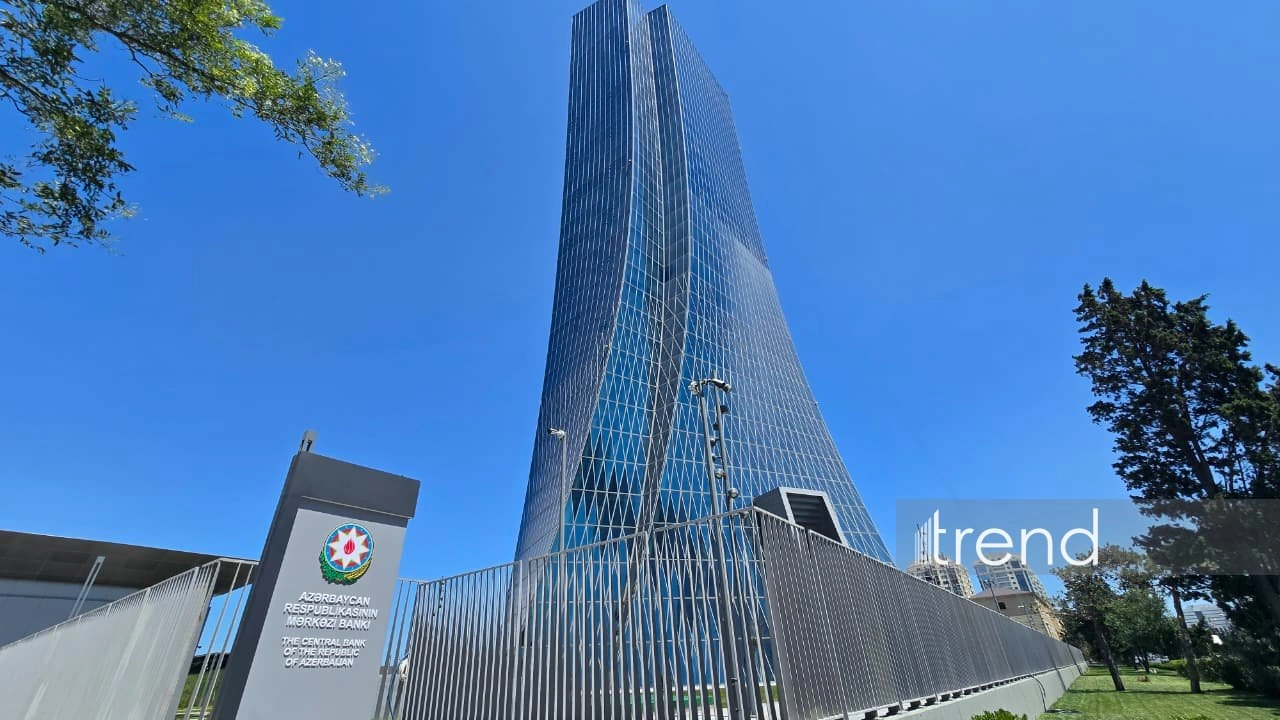
This is stated in the “Financial Stability Report” published by
the Central Bank of Azerbaijan (CBA).
During the reporting period, there were 52 NBCIs and 35 credit
unions operating in the country. Thus, the total number of nonbank
credit organizations reached 87. The share of NBCIs’ assets in the
financial system’s total assets amounted to 2.4%. During the first
six months, the licenses of two NBCIs were revoked.
Currently, 14 operating non-bank credit organizations have
foreign capital. In 11 of them, the share of foreign capital
exceeds 50%. Over the course of the year, the number of employees
in the sector increased by 733, reaching 4,426.
During the reporting period, the net loan portfolio of non-bank
credit organizations (NBCOs) grew by 23%, or 213 million manat
($125.3 million). The total liabilities of these organizations
increased by 23.5%, or 159.4 million manat ($93.8 million),
reaching 838.7 million manat ($493.5 million). One of the main
factors driving the growth in liabilities was the raising of funds
from resident financial institutions.
In the first half of 2026, the total loan portfolio of non-bank
credit organizations increased by 26%, or 272 million manat
($160.07 million), to 1.3 billion manat ($770 million). Consumer
loans accounted for the largest share of the loan portfolio.
Specifically, the volume of consumer lending grew by 40%, or 292
million manats, reaching 1.02 billion manat ($600 million).
At the same time, the volume of mortgage loans decreased by
5.4%, or 2.7 million manat ($1.5 million), and business loans
decreased by 6.5%, or 17.4 million manat ($10.2 million).
At the end of the reporting period, consumer loans accounted for
77.5% of the loan portfolio, business loans for 18.8%, and mortgage
loans for 3.6%.
The largest share of the business loan portfolio was in the
trade sector. The volume of loans issued to this sector totaled 84
million manats, or 33.9% of the portfolio. Agriculture accounted
for 22.5%, or 56 million manat ($32.9 million); other
non-manufacturing sectors and the service sector accounted for
20.4%, or 51 million manat ($30.01 million); and transportation
accounted for 18.5%, or 46 million manat ($27.07 million). The
volume of loans issued to other sectors totaled 12 million manat
($7.06 million).
The report notes that in the first half of 2026, the volume of
non-performing loans in the non-bank credit organizations (NBCO)
sector increased by 46% compared to the end of last year, reaching
158.6 million manat ($93.3 million). The share of non-performing
loans in the total loan portfolio rose by 1.7 percentage points to
12%.
The share of non-performing loans in the consumer loan portfolio
increased by 0.5 percentage points to 13.2%, while in the business
loan portfolio, it rose by 3.6 percentage points to 9.7%.
The financial results of the non-bank financial institutions
(NBCIs) sector also improved. For the first half of 2026, the
sector’s net income totaled 121.1 million manat ($71.2 million). By
comparison, a net loss of 13.2 million manat ($7.7 million) was
recorded for the same period last year.
The increase in profit was driven by higher interest and
non-interest income, as well as a reduction in non-interest
expenses.
During the reporting period, the sector’s return on assets (ROA)
was 17.5%, and its return on equity (ROE) was 38.6%.
At the same time, the balance sheet capital of non-bank credit
institutions (NBCIs) increased by 22%, or 125.3 million manat
($73.74 million), over the six-month period, reaching 690 million
manat ($406.06 million).
An increase in retained earnings of 79 million manat ($46.4
million) and in authorized capital of 48 million manat ($28.2
million) contributed to the sector’s higher capitalization
level.


