
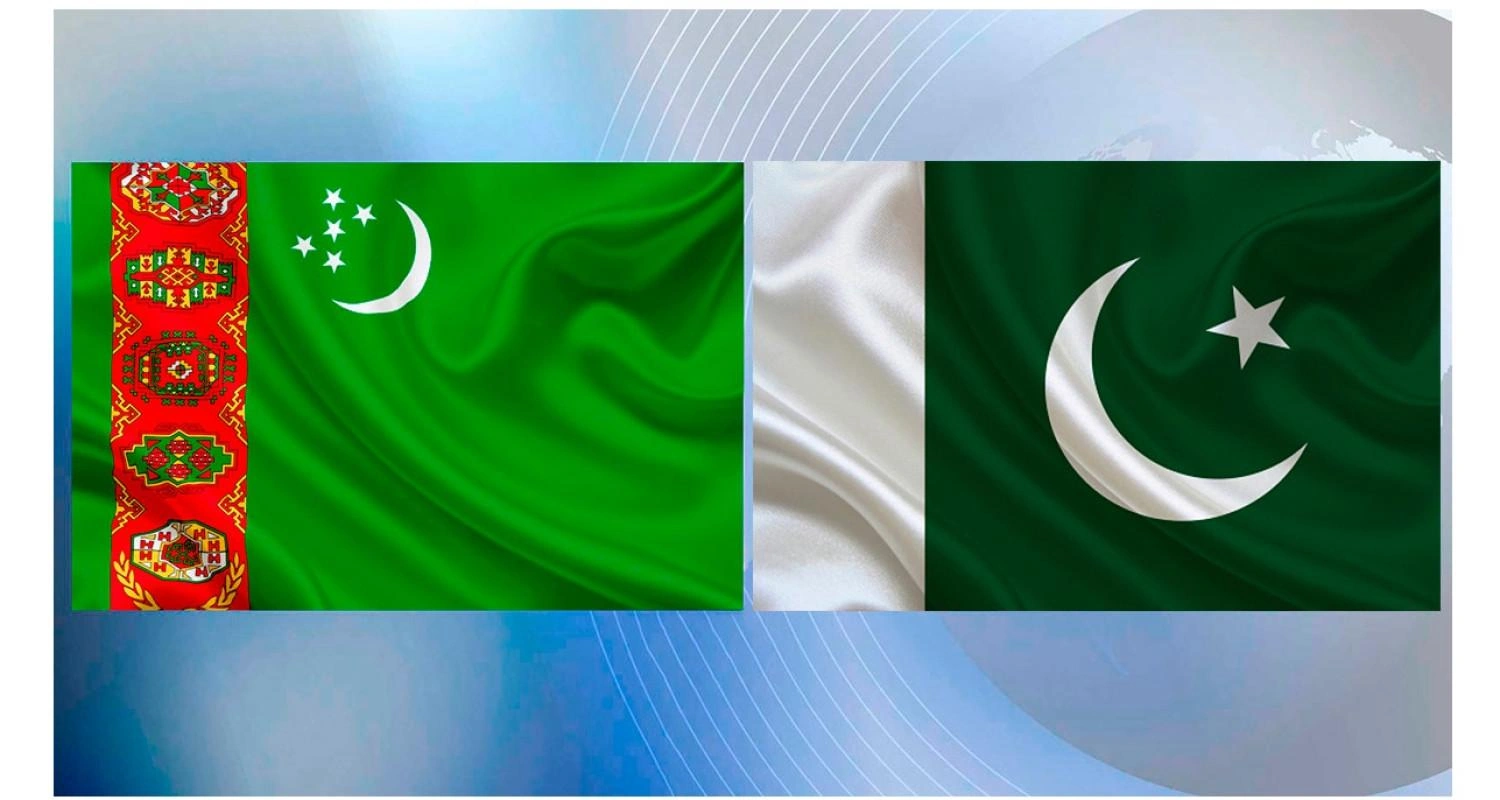
BAKU, Azerbaijan, October 13. Pakistani
President Asif Ali Zardari has expressed hope for expanded energy,
trade and investment cooperation with Turkmenistan.
This was reflected in a congratulatory message sent yesterday by
Zardari to Turkmen President Serdar Berdimuhamedov on the occasion
of Turkmenistan’s Independence Day, according to a press release
issued by the press service of the Turkmen government.
“We look forward to expanding cooperation in areas of mutual
interest in the future, particularly through enhanced political
engagement, the development of trade and investment, energy
partnerships and stronger regional connectivity,” Zardari said.
The Pakistani president said Islamabad attaches great importance
to relations with Turkmenistan and seeks to further strengthen
bilateral partnership for the benefit of both countries’
peoples.
He also expressed confidence that continued cooperation and
joint efforts would further strengthen friendly relations between
Pakistan and Turkmenistan.
Earlier, Pakistan’s Ambassador to Turkmenistan Faryal Leghari
also outlined several areas for expanding bilateral cooperation,
including energy, trade, healthcare and transport. In her address,
she described the Turkmenistan-Afghanistan-Pakistan-India (TAPI)
gas pipeline as a potential driver of regional energy integration,
noting that Turkmenistan’s gas reserves and Pakistan’s growing
demand for reliable energy supplies create a basis for long-term
cooperation.
She also identified electricity transmission, renewable energy,
energy services and specialist training as potential areas for
collaboration.
Leghari also called for stronger textile and pharmaceutical
ties, highlighting opportunities to combine Turkmenistan’s cotton
resources and textile production capacity with Pakistan’s
equipment, design expertise and export experience.
In healthcare, she proposed pharmaceutical trade, medical
exchanges, specialist training and cooperation in medical
technologies.
On transport, the ambassador said both countries were ready to
resume cargo and commercial flights in the near future, while
emphasizing the potential of road and rail links to strengthen
regional connectivity and trade.


