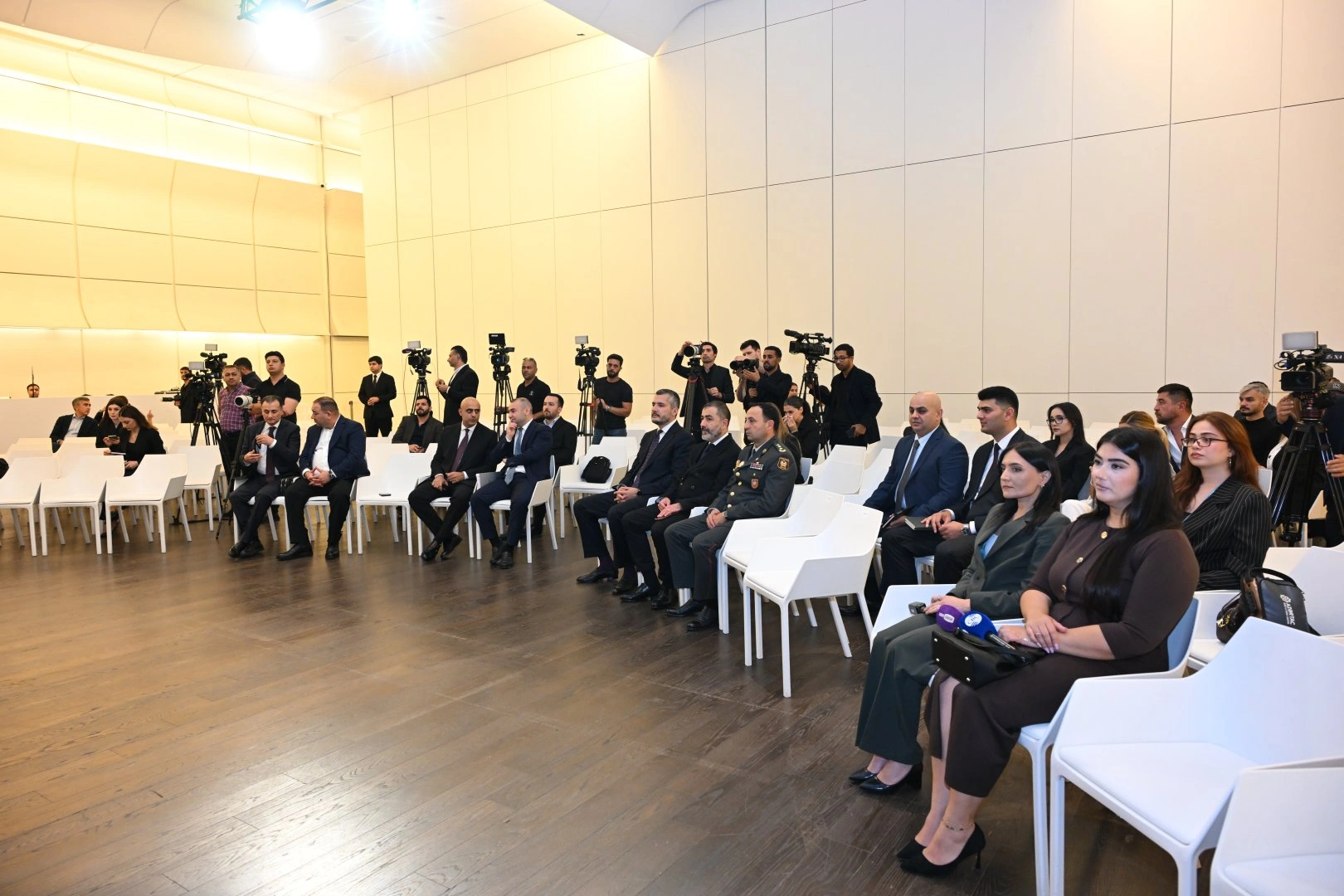
BAKU, Azerbaijan, October 13.
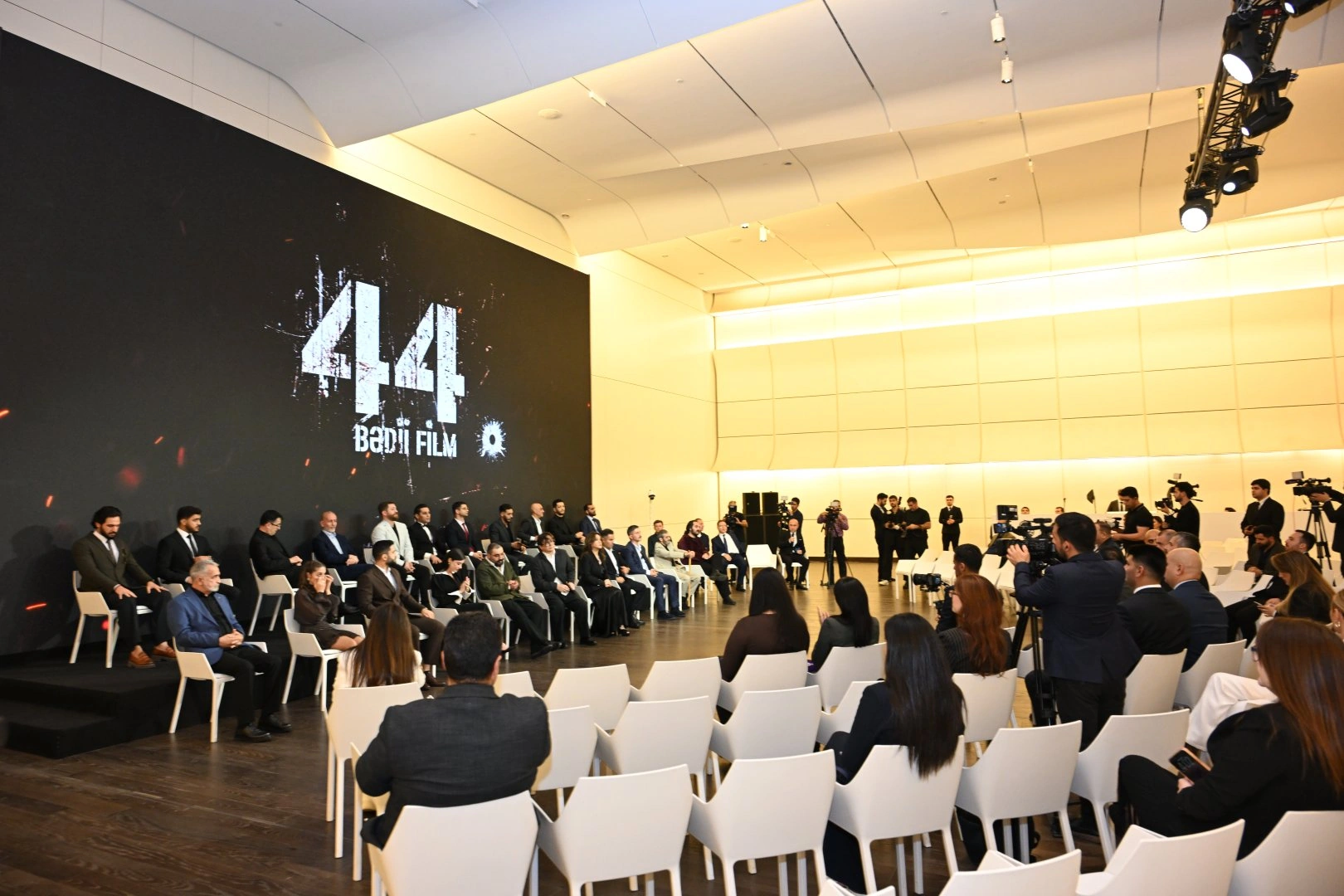
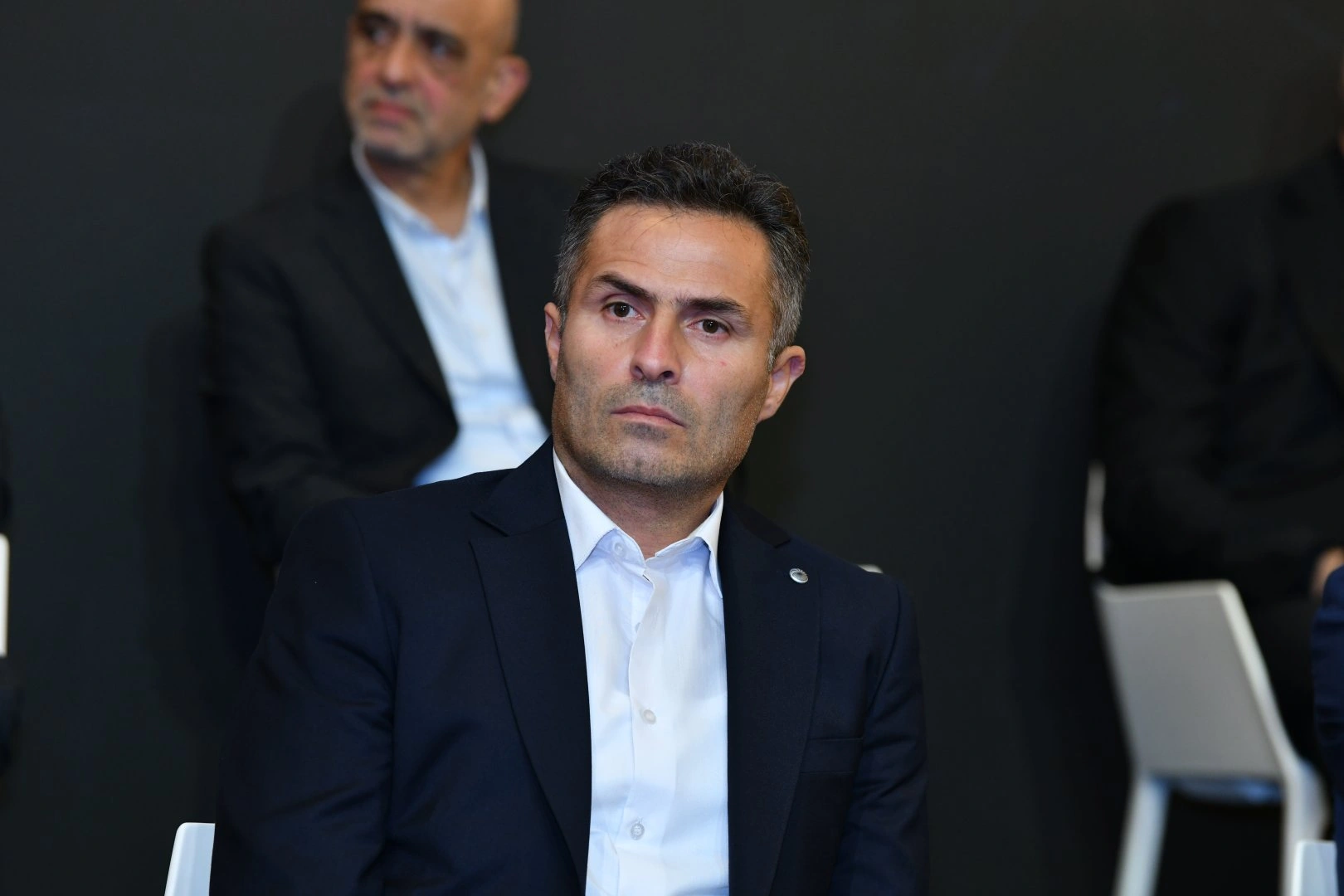
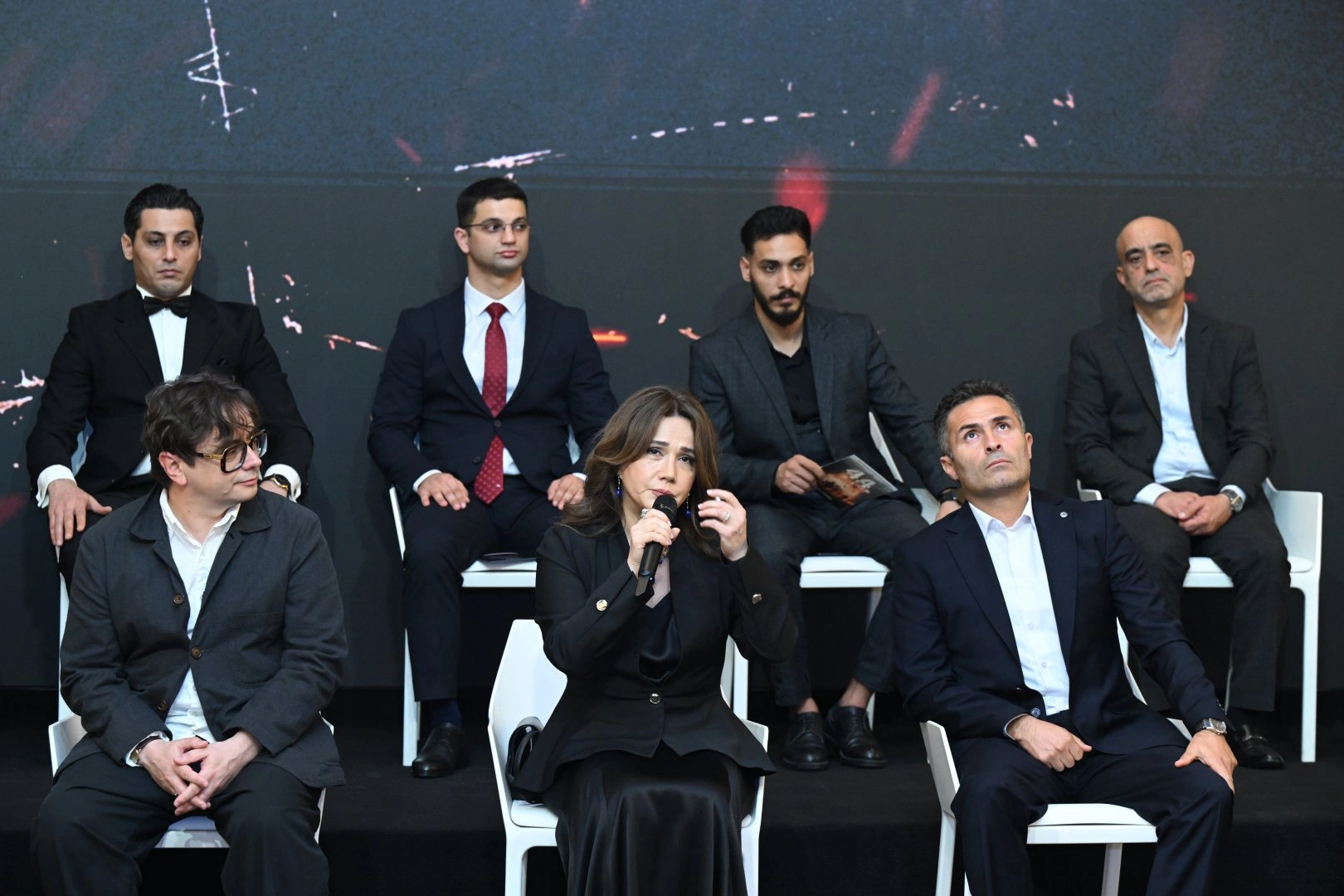
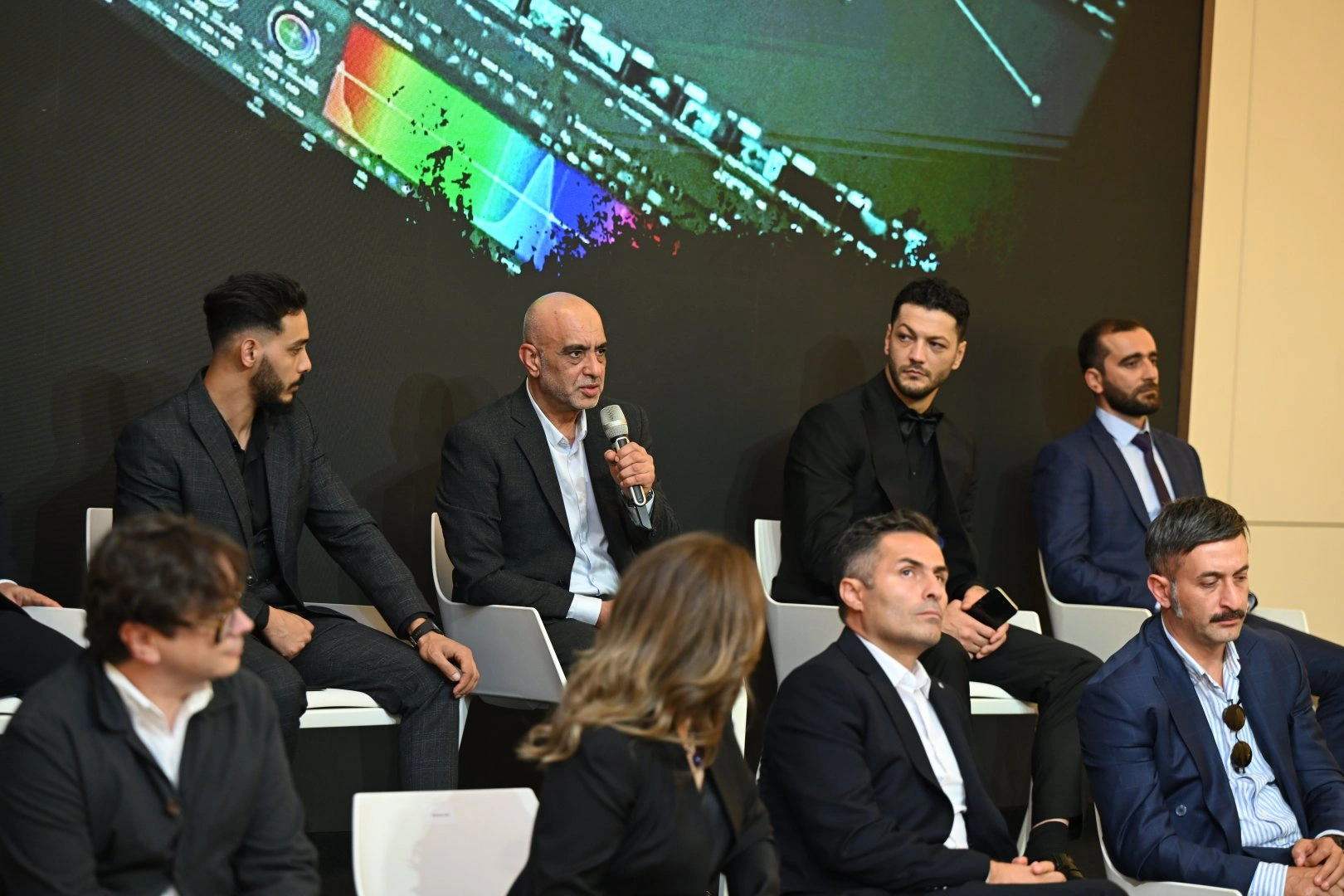
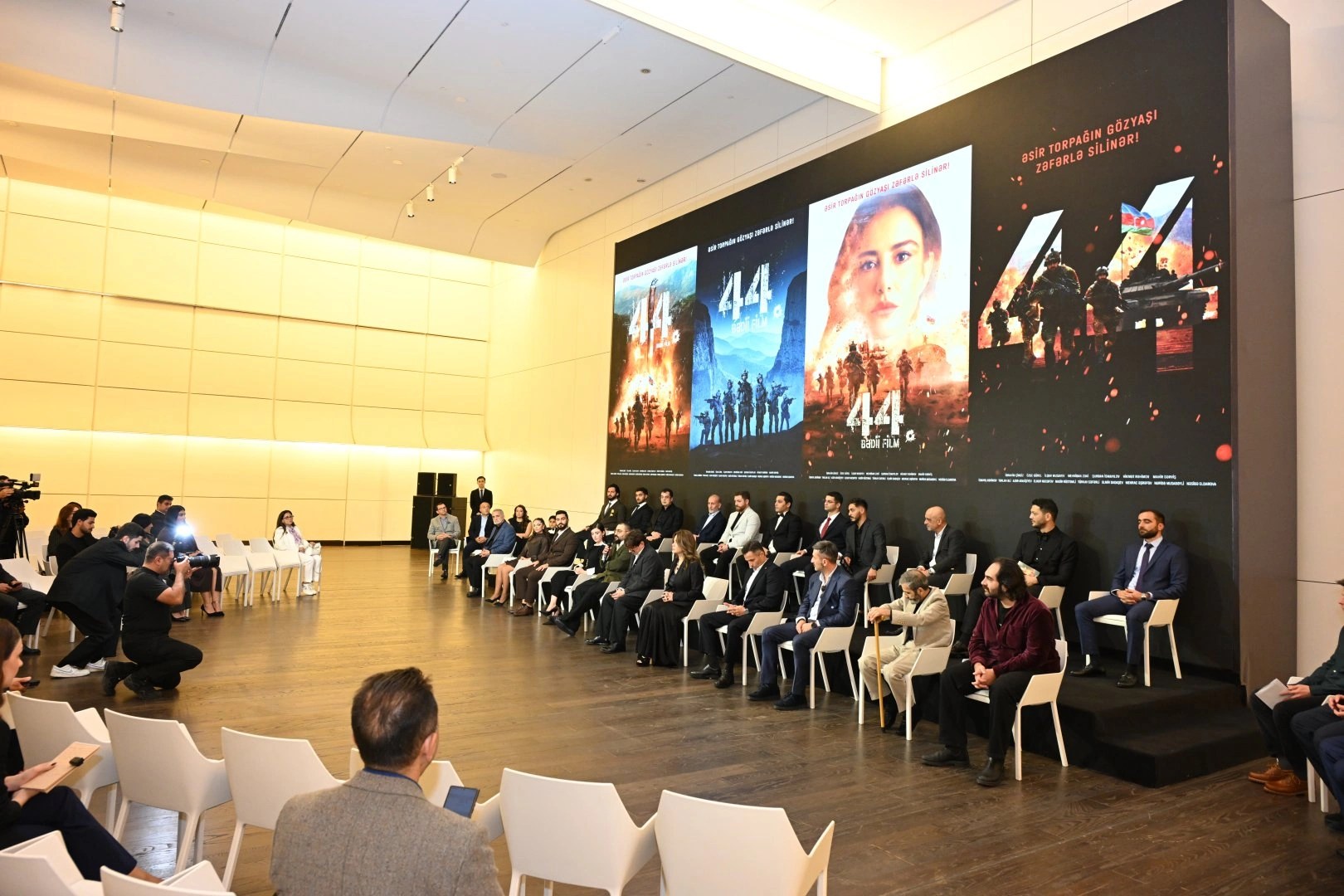
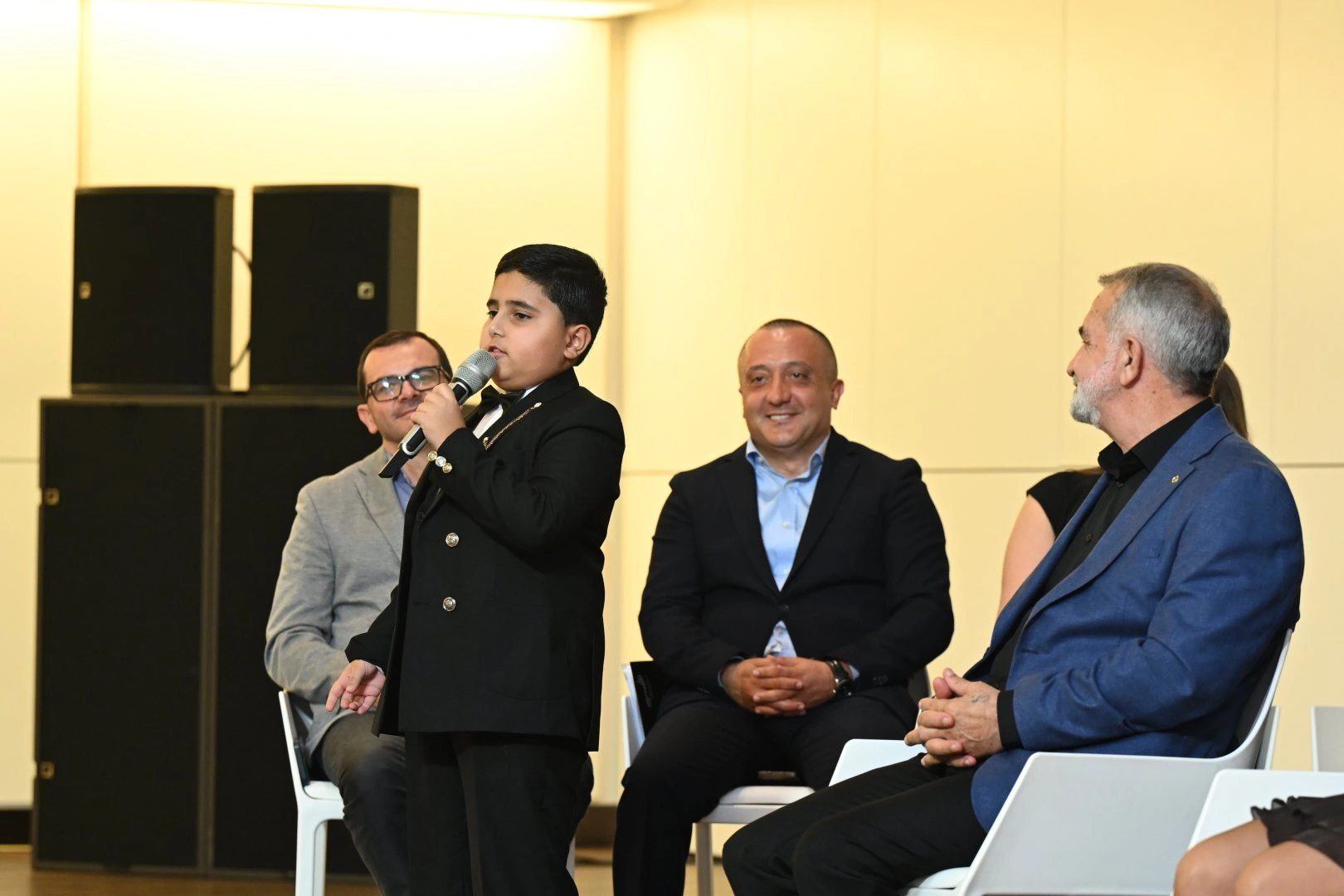
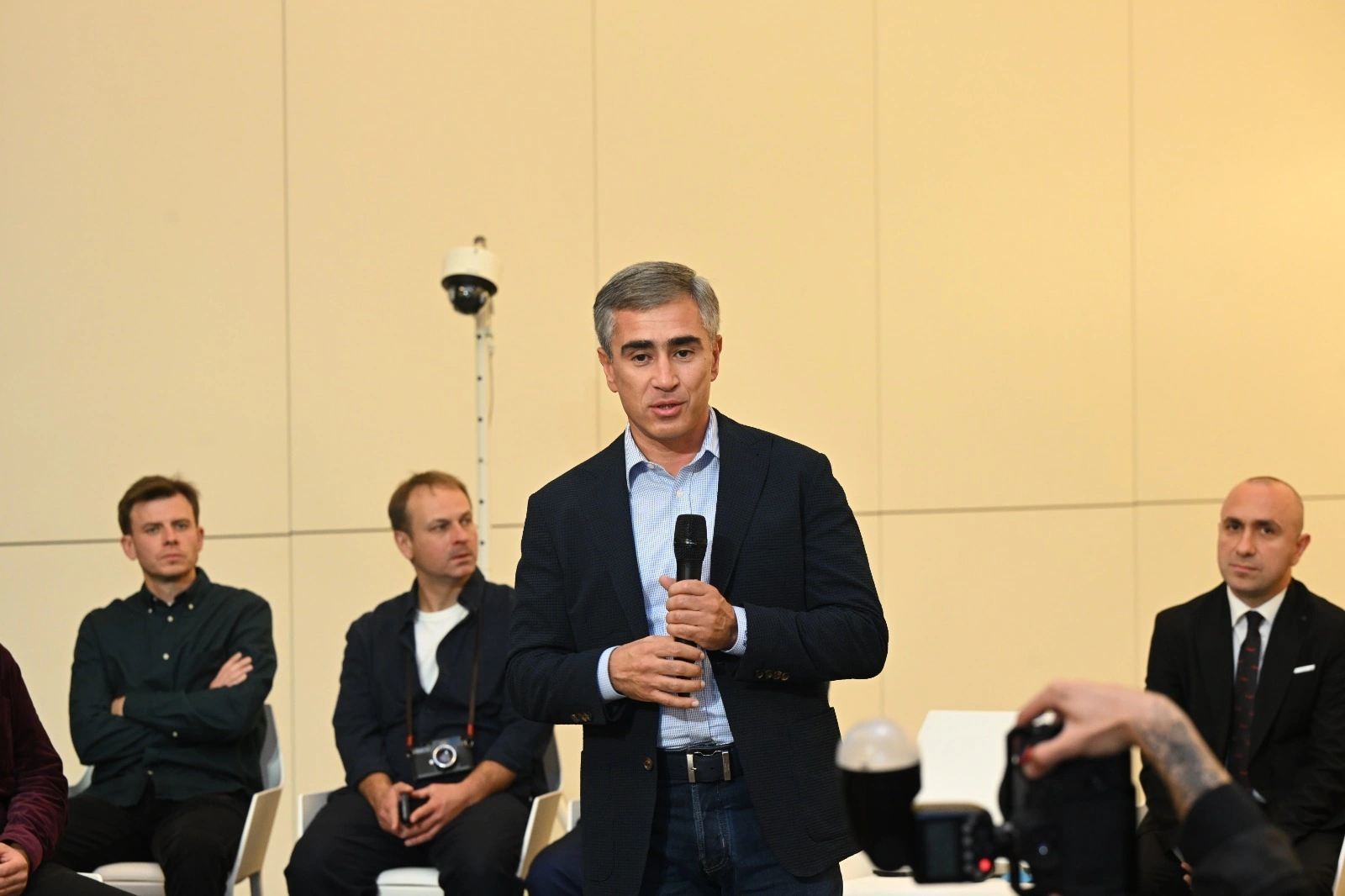
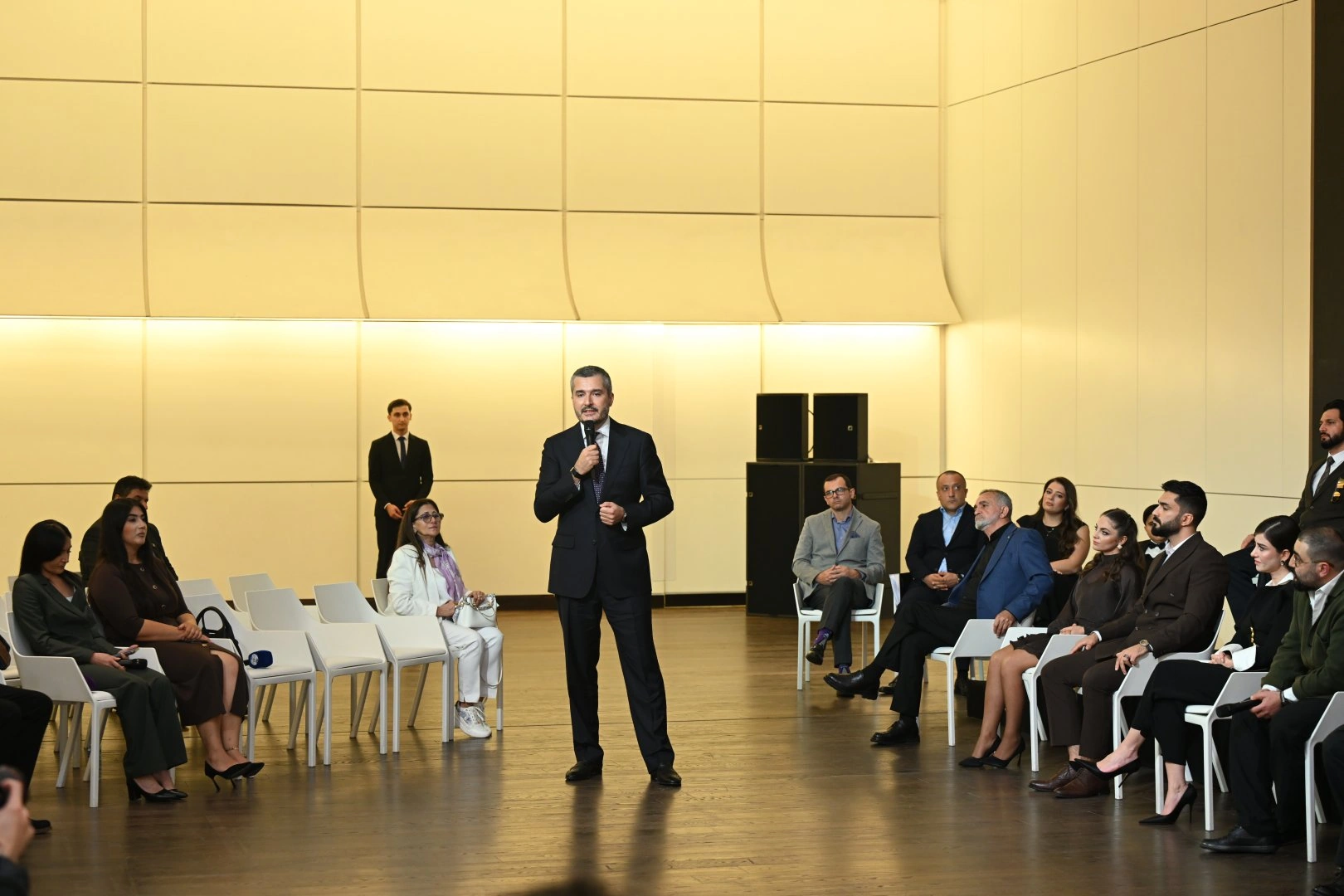
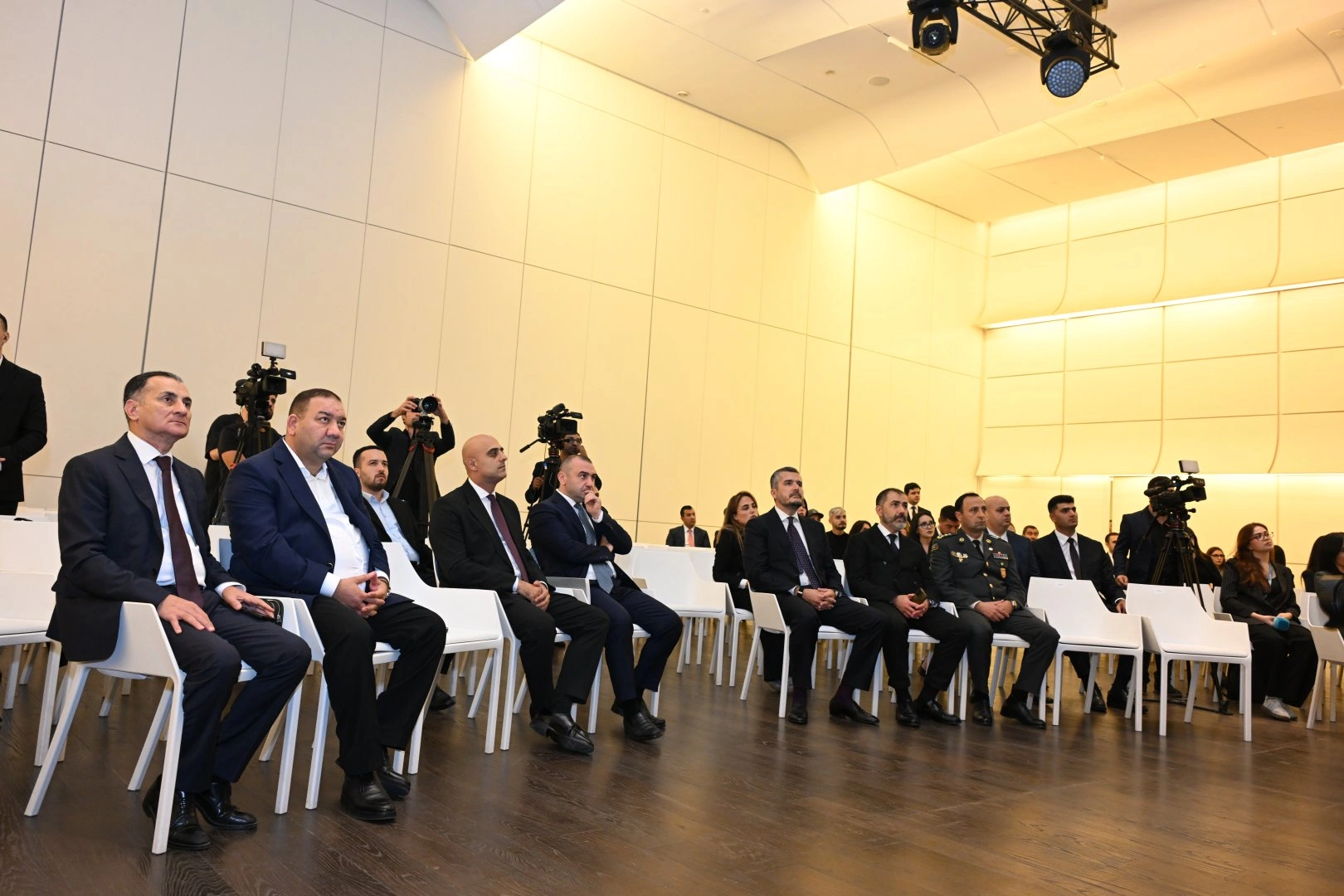
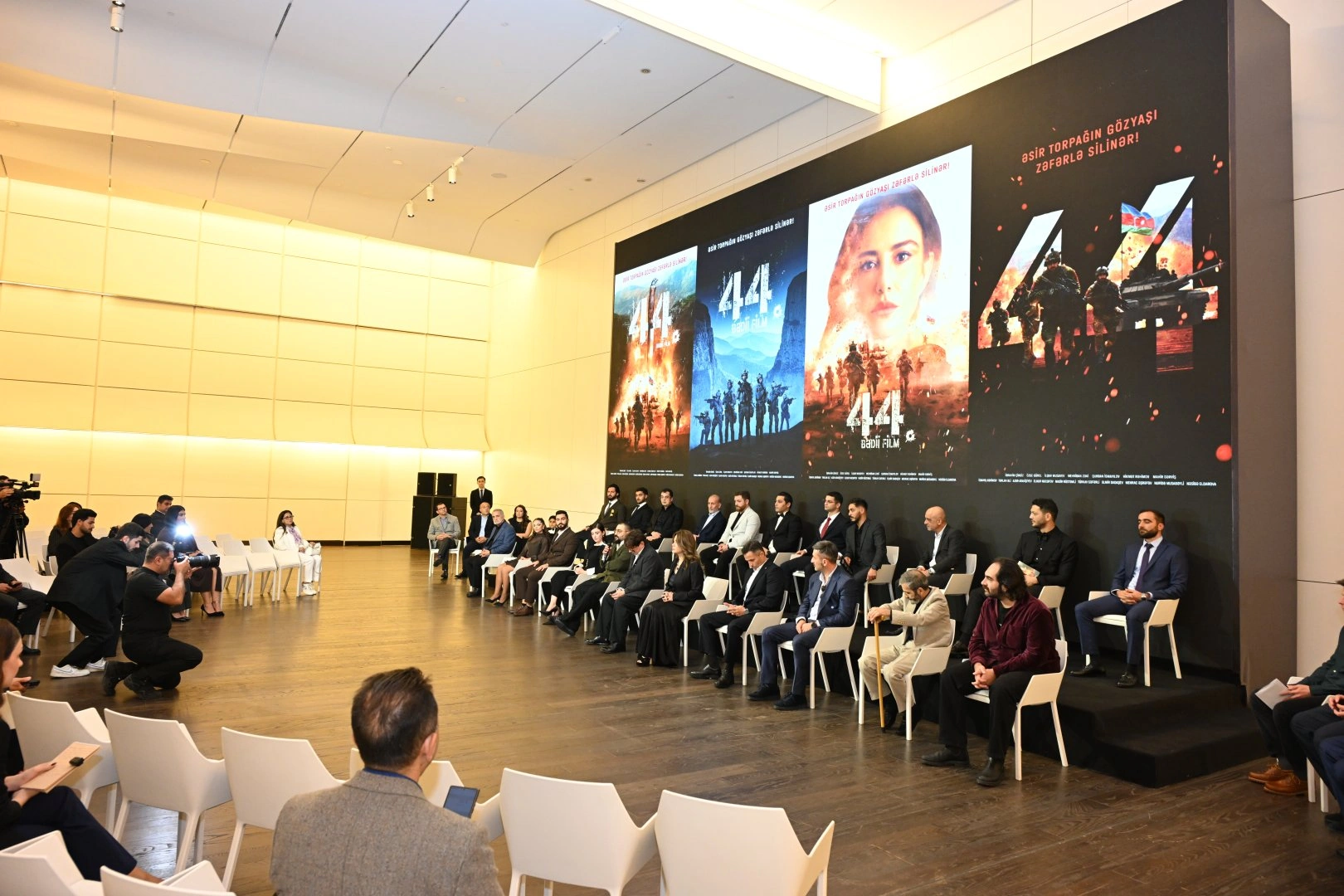
A briefing was held at the Heydar Aliyev Center with the creative
team behind the feature film "44", one of Azerbaijan's major
cinematic projects dedicated to the heroism of the Azerbaijani
people during the Patriotic (Second Karabakh) War, Trend’s correspondent
reported from the event.
The film aims to preserve historical memory and foster
patriotism among the younger generation.
The event included the presentation of the film's trailer and an
informational video detailing the work on this large-scale
project.
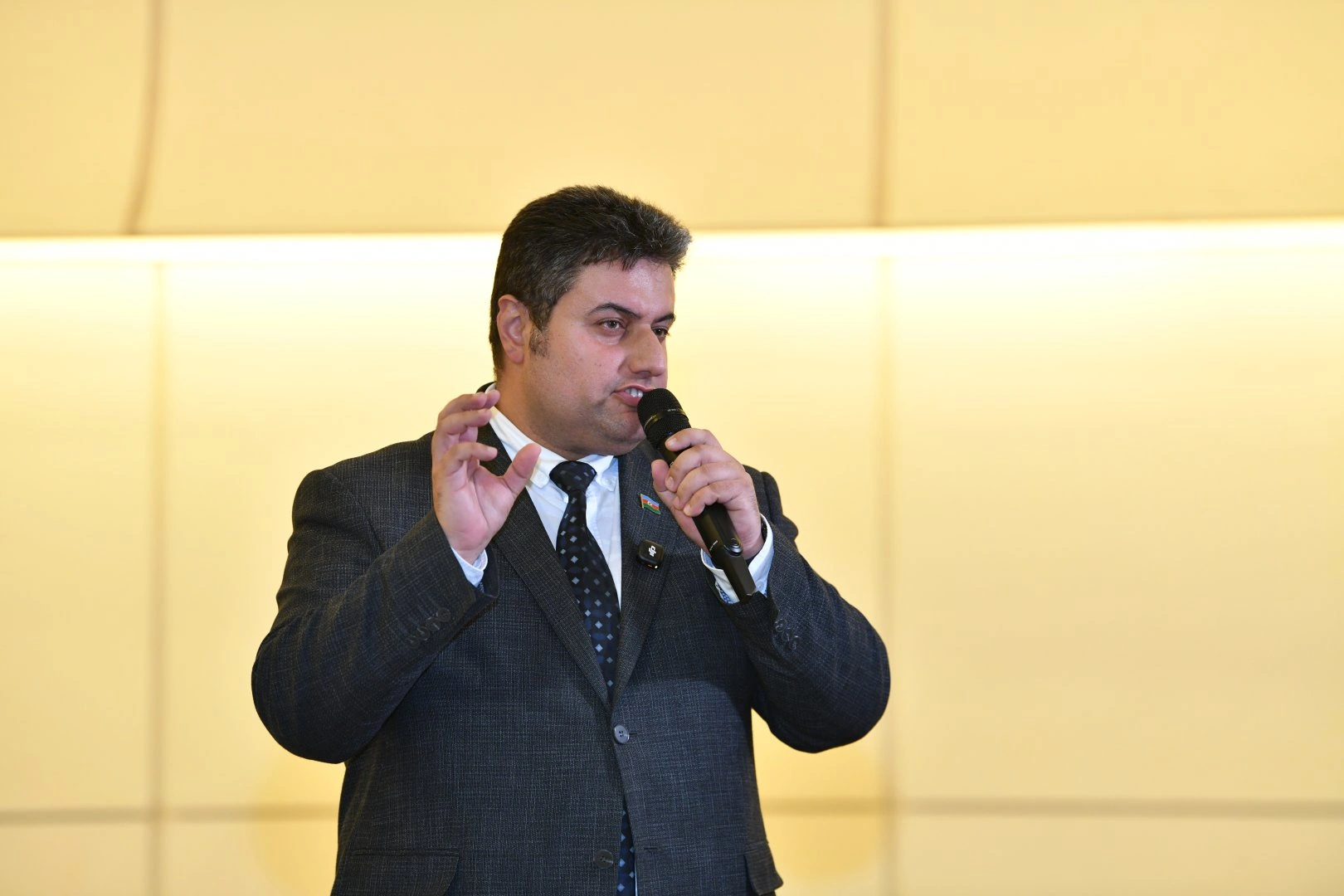
The film's artistic director and co-writer, Anar Alakbarov,
emphasized the special significance of realizing this project ahead
of the anniversary of the Glorious Victory in the 44-day Patriotic
War, an event that left a profound mark on the country's
history.
"This victory was the result of the unity of the Azerbaijani
people, the country's leadership, the army, and the Supreme
Commander-in-Chief. Above all, we wish to express our deep
gratitude to the President of the Republic of Azerbaijan, Ilham
Aliyev, for making it possible to address this subject and bring
this project to life.
The journey to creating this film wasn’t easy. We worked with
material that demanded a high level of responsibility and
meticulous attention to detail. We knew that the media and the
public would scrutinize our work and ask questions; therefore, we
strove to avoid even the slightest inaccuracies.
Of course, it’s impossible to cover every event of the 44-day
war in a single film. We would have liked to tell many more
stories. I hope that in the future, our directors and screenwriters
will create new projects and that the number of films on this topic
will grow. For our part, we are ready to provide the necessary
support," noted Alakbarov.
He also expressed his gratitude to the Ministry of Culture of
Azerbaijan and everyone who supported the implementation of this
large-scale project over the years, as well as to media
representatives, including the Trend news agency, for helping to
disseminate information about the film.
"I want to thank everyone who worked on the project over these
years, pouring their heart and soul into it. I would like to make
special mention of the colleagues who supported us at every stage
of the work. Their assistance was valuable not only from a
professional standpoint but also on a personal level; that support
was especially meaningful during the intense days of preparation,"
he added.
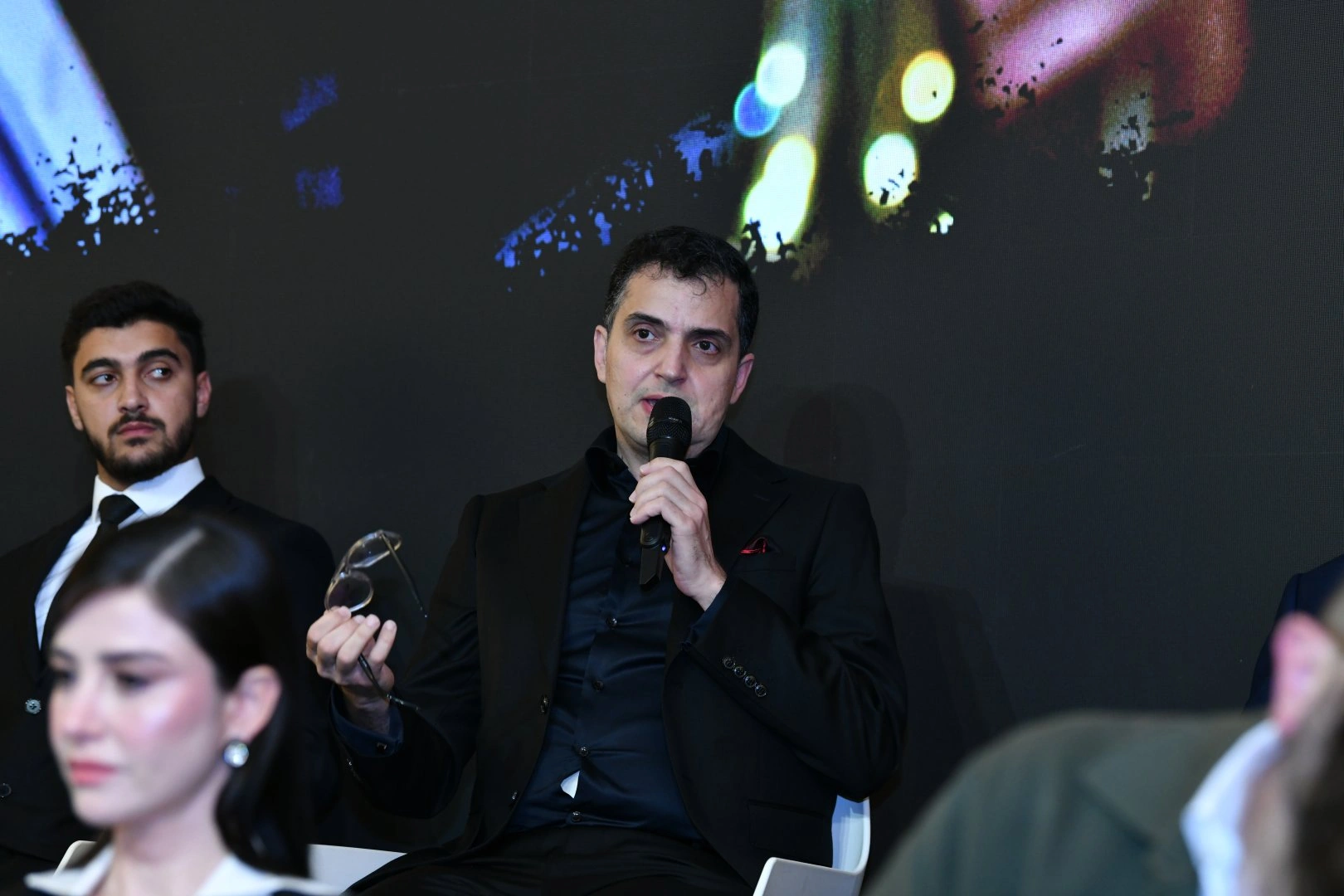
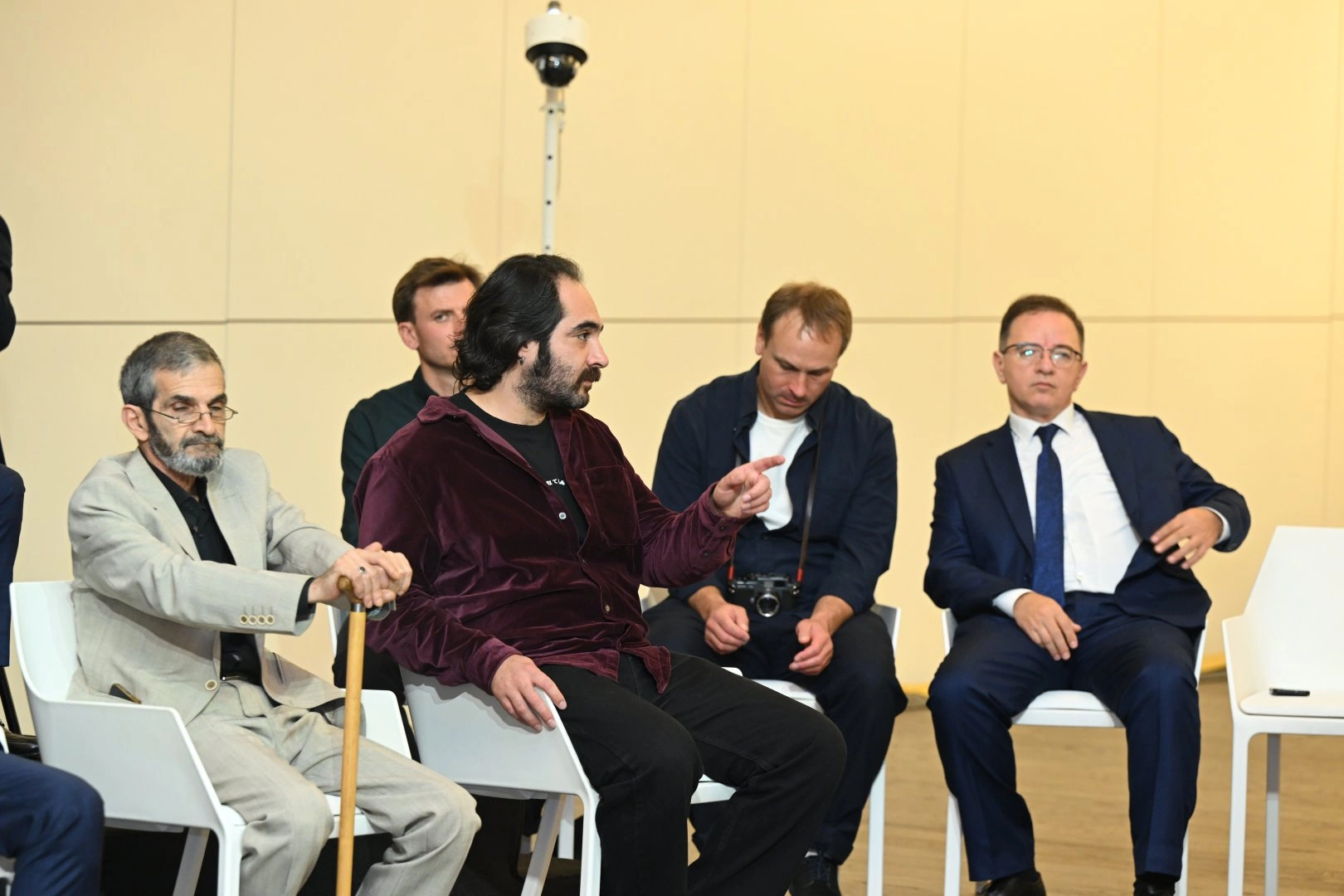
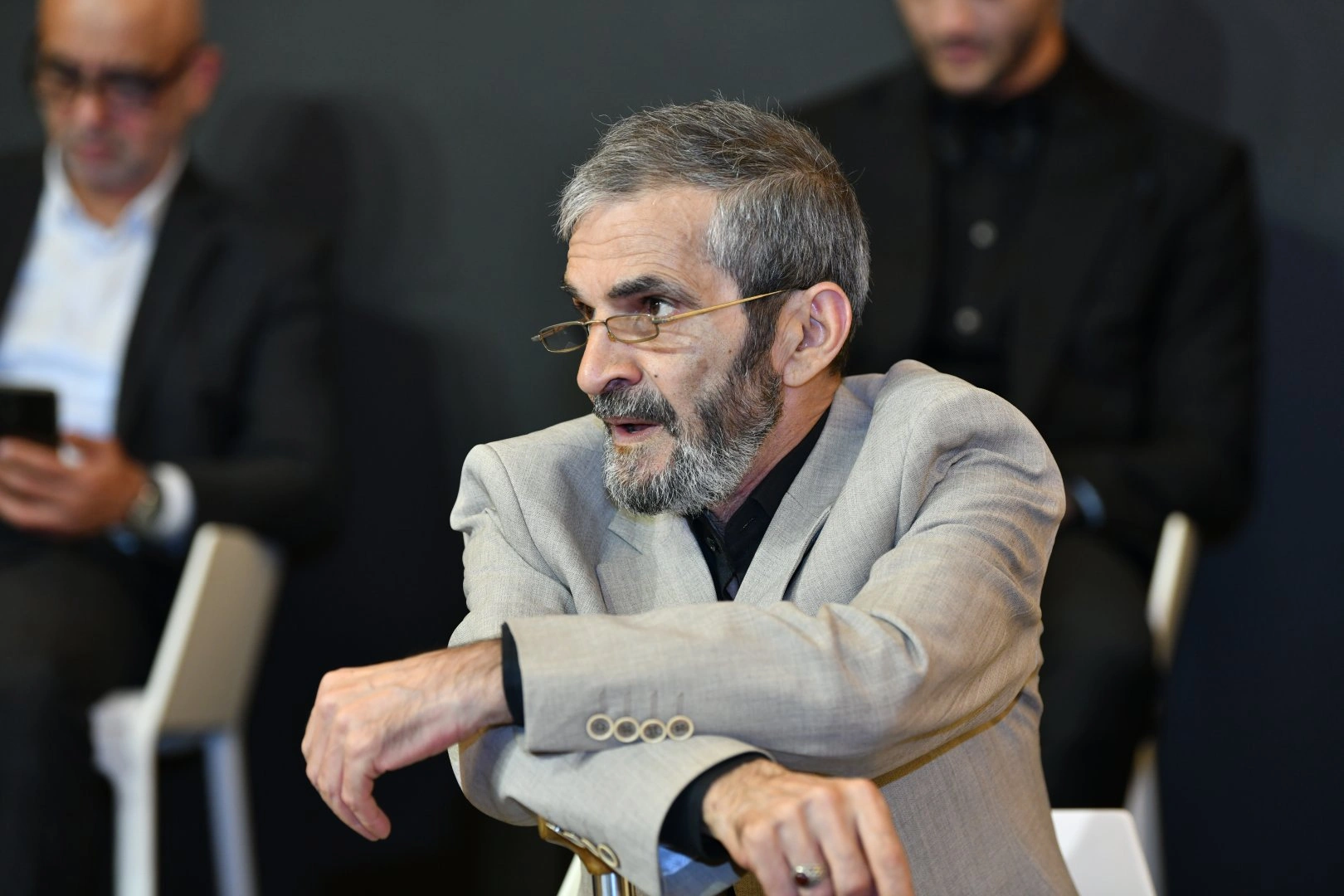
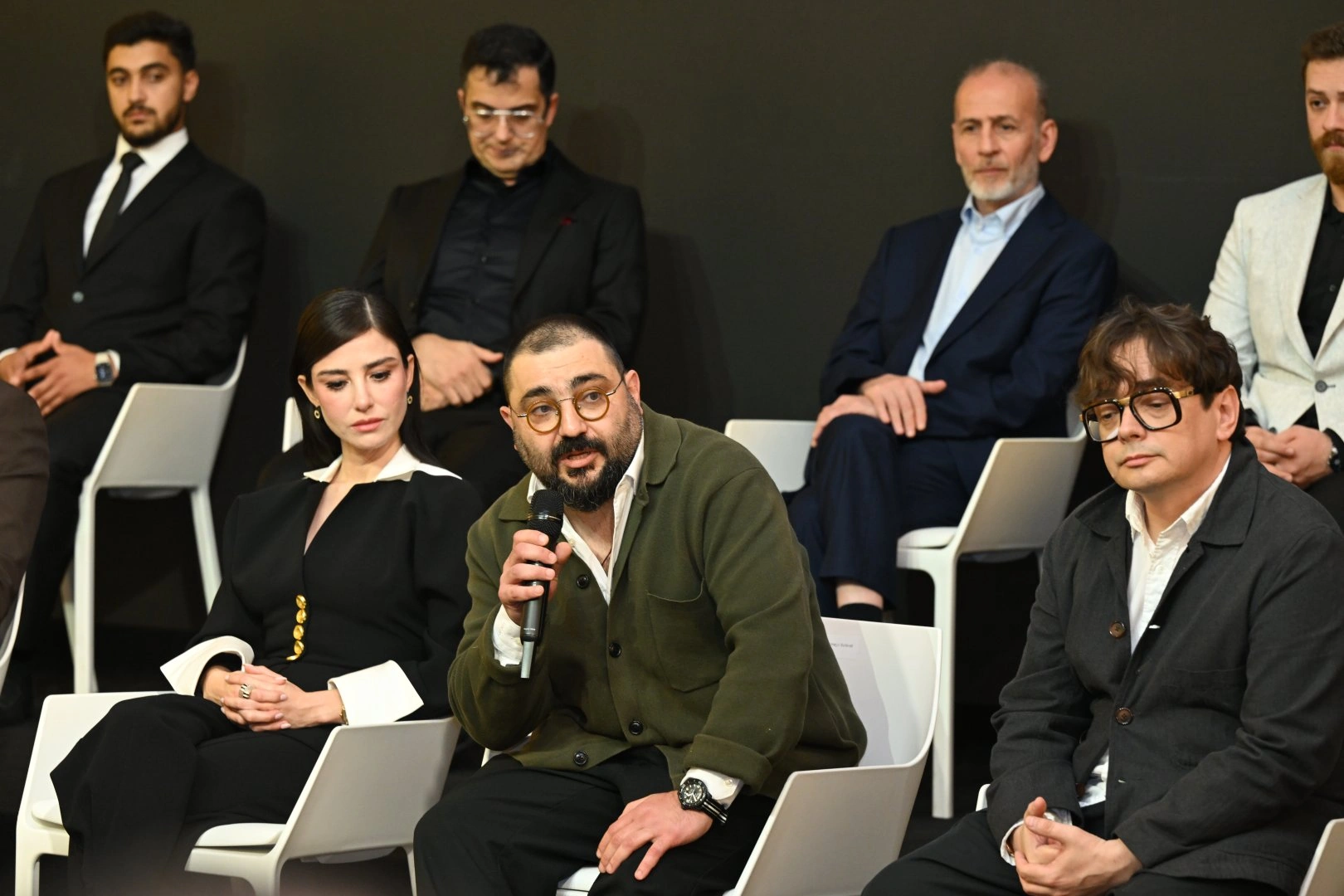
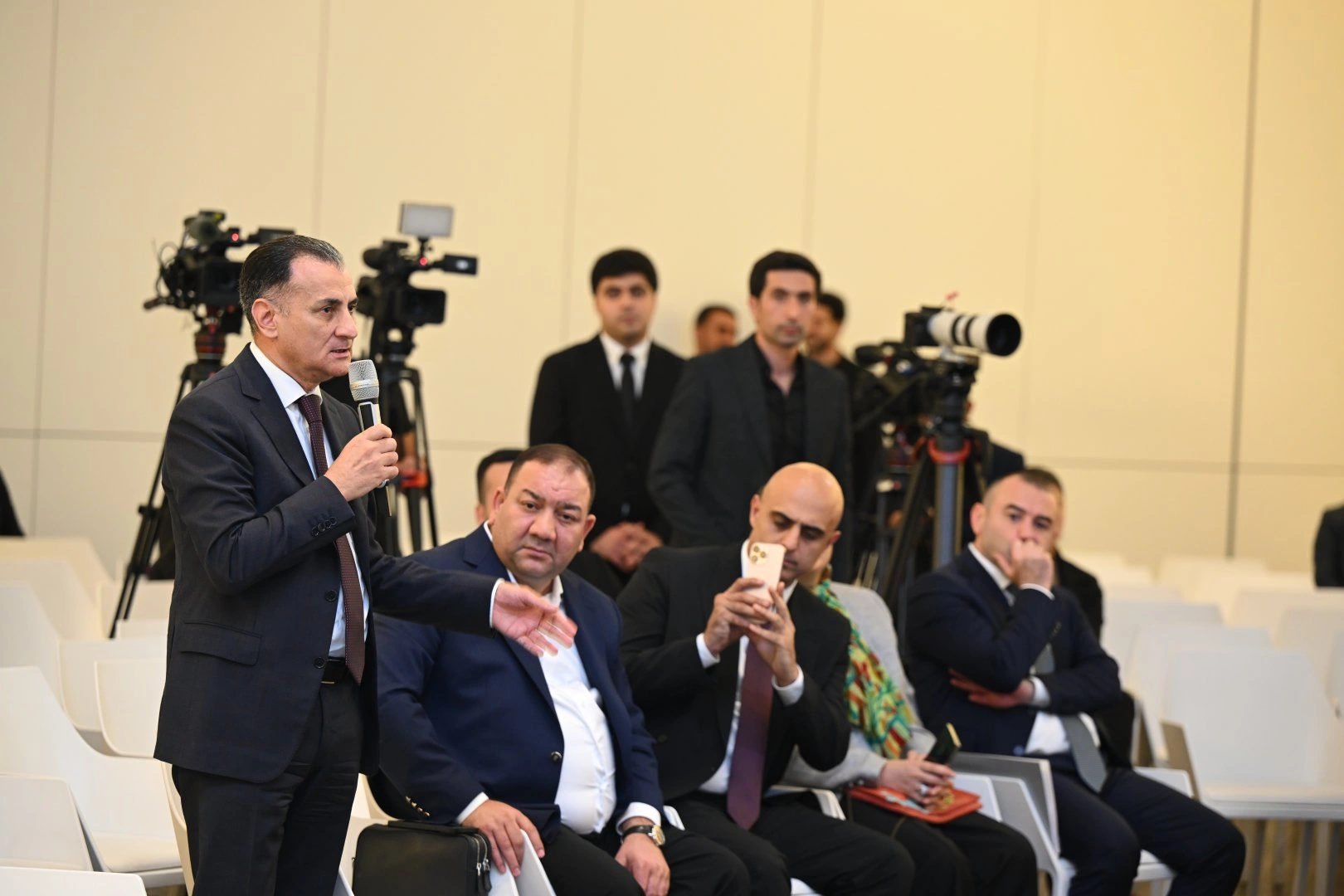
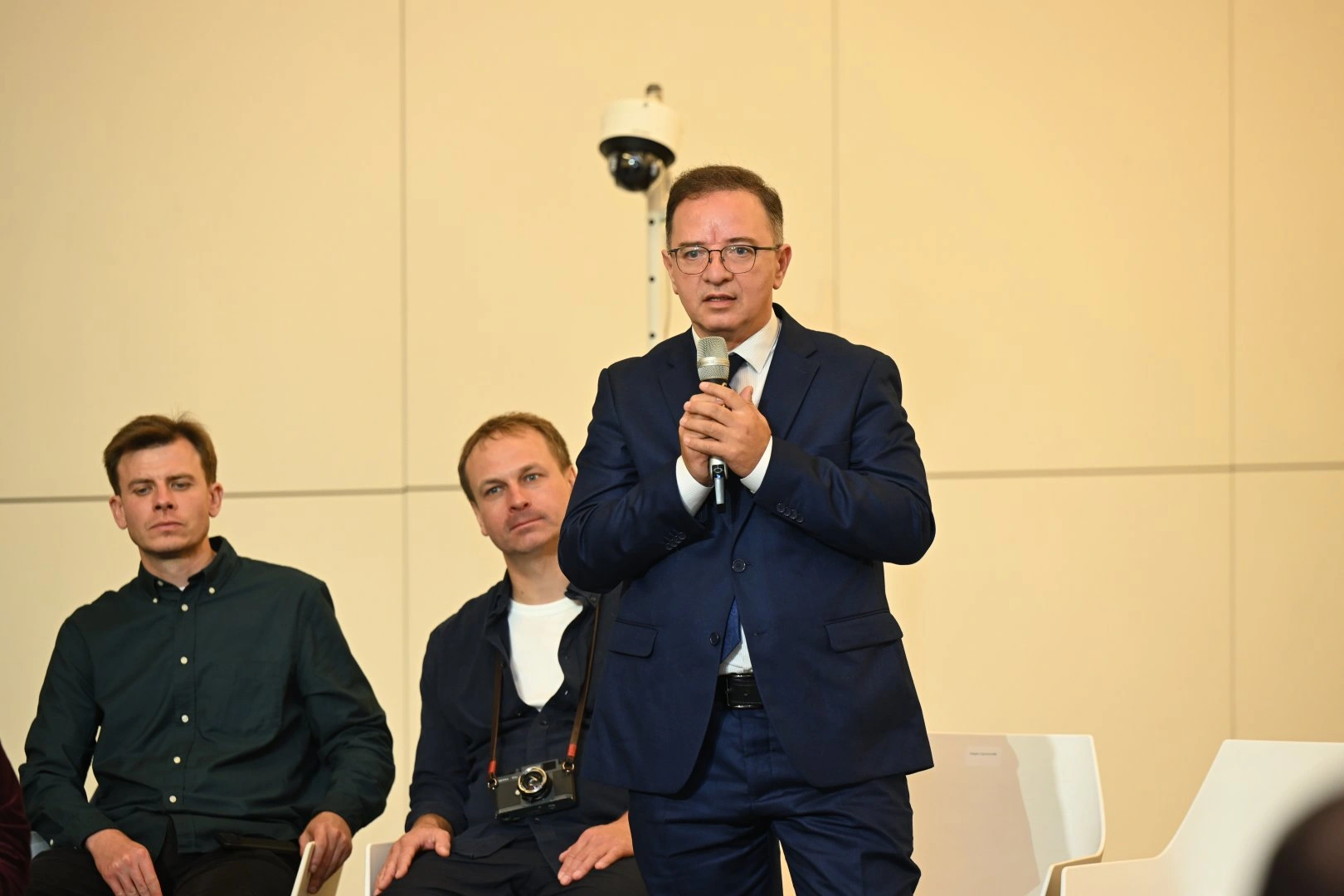
During the briefing, members of the creative team answered
numerous questions from journalists.
The film's director, Ismayil Safarali, highlighted the team's
cohesion and their deep dedication to the shared cause.
"Each of them put a piece of themselves into the film, and I
want to express my special gratitude to everyone. Working on this
picture was a great honor and, at the same time, a huge
responsibility for me. I can say that this is one of the most
important works of my career.
The events of those 44 days are forever etched in our memories.
Back then, we hardly slept; we constantly followed the news, and
everyone, in their own way, tried to offer support. We remember
those days and everything we went through. That is why our
responsibility is so great. Above all, we feel this responsibility
toward our heroes, as the film tells their story.
We have come a long way, but there are still many plans ahead.
I’m confident that many more films about the war and the events
surrounding it will be made in the future," the director said.
Safarali also noted that work on the project spanned five years.
According to him, one of the creators' primary goals was to honor
the memory of the fallen and to convey the courage and resilience
of those who lost their lives or were wounded during the First
Karabakh War and the 44-Day Patriotic War.
"I believe we succeeded in achieving this goal. One reason the
filmmaking process took so long was that every scene, sequence, and
line of dialogue was meticulously crafted and discussed at length.
We strove to view everything from multiple perspectives to ensure
the film would appeal not only to Azerbaijani audiences but to
international viewers as well.
We needed to process the events we had lived through and find a
way to tell the story without the film becoming merely an emotional
reaction to what had happened. In the wake of victory, emotions run
high; joy, pride, and the pain of loss require time before raw
emotion can give way to reflection.
It was crucial to create a work that presented these events not
just through emotion, but through a conscious, considered
perspective. Moreover, a film of this nature cannot be made simply
by picking up a camera and heading to the set; it requires a large
team and a careful assessment of available resources and production
capabilities.
I was previously asked whether this film would mark a turning
point for Azerbaijani cinema. I’m convinced that it will. I am
certain the picture will provide fresh momentum for the development
of our film industry," added Safarali.
Maxim Smetana, the film's co-director, spoke about the picture's
central theme, emphasizing that it is rooted in love for one's
homeland and self-sacrifice.
"When a director and screenwriter begin working on a film, they
always ask themselves: what is this story about? For me, the answer
is quite simple.
This film is about love for one's homeland and self-sacrifice.
Our work begins with these very sentiments. Love for the homeland
is the film's core idea," he noted.
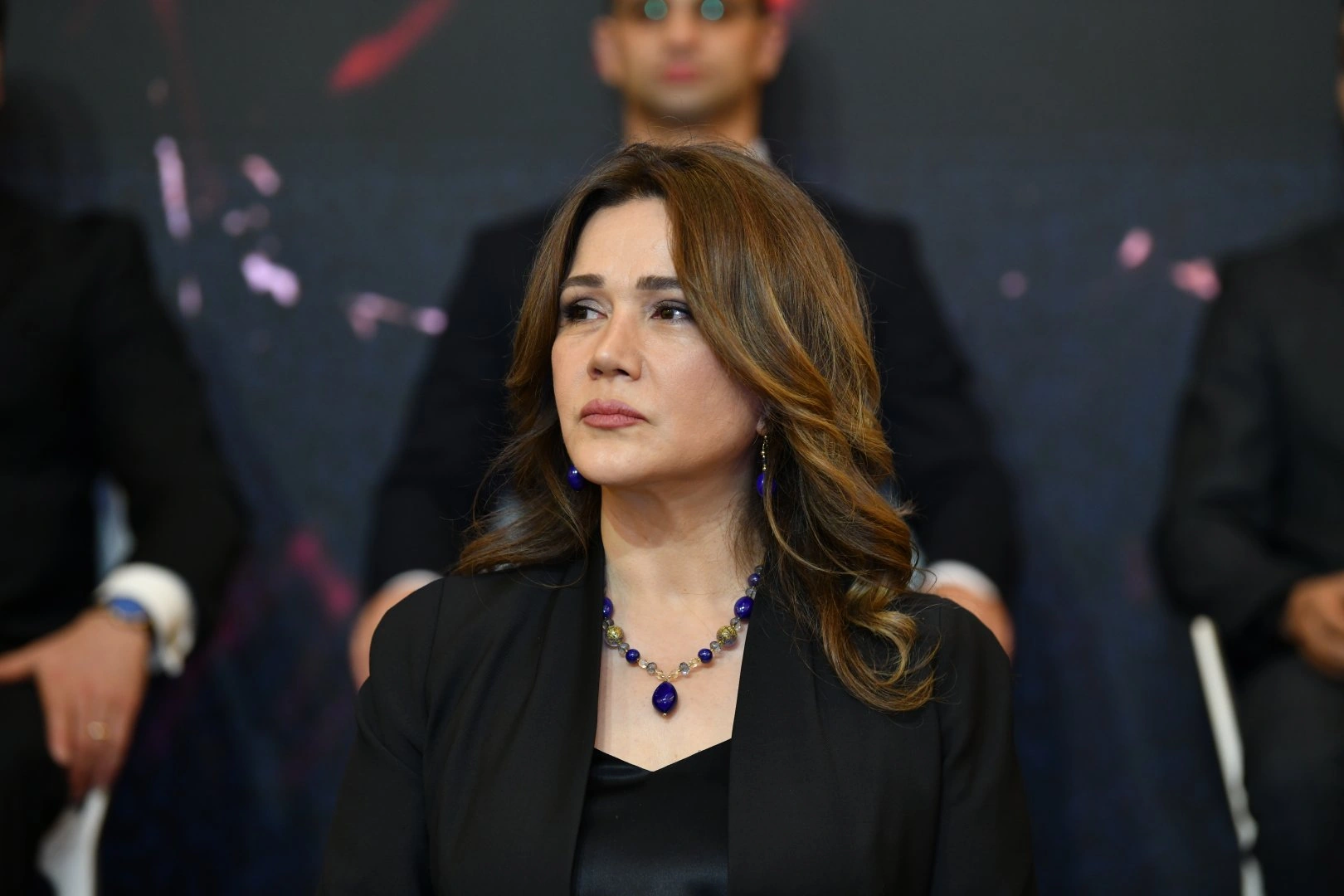
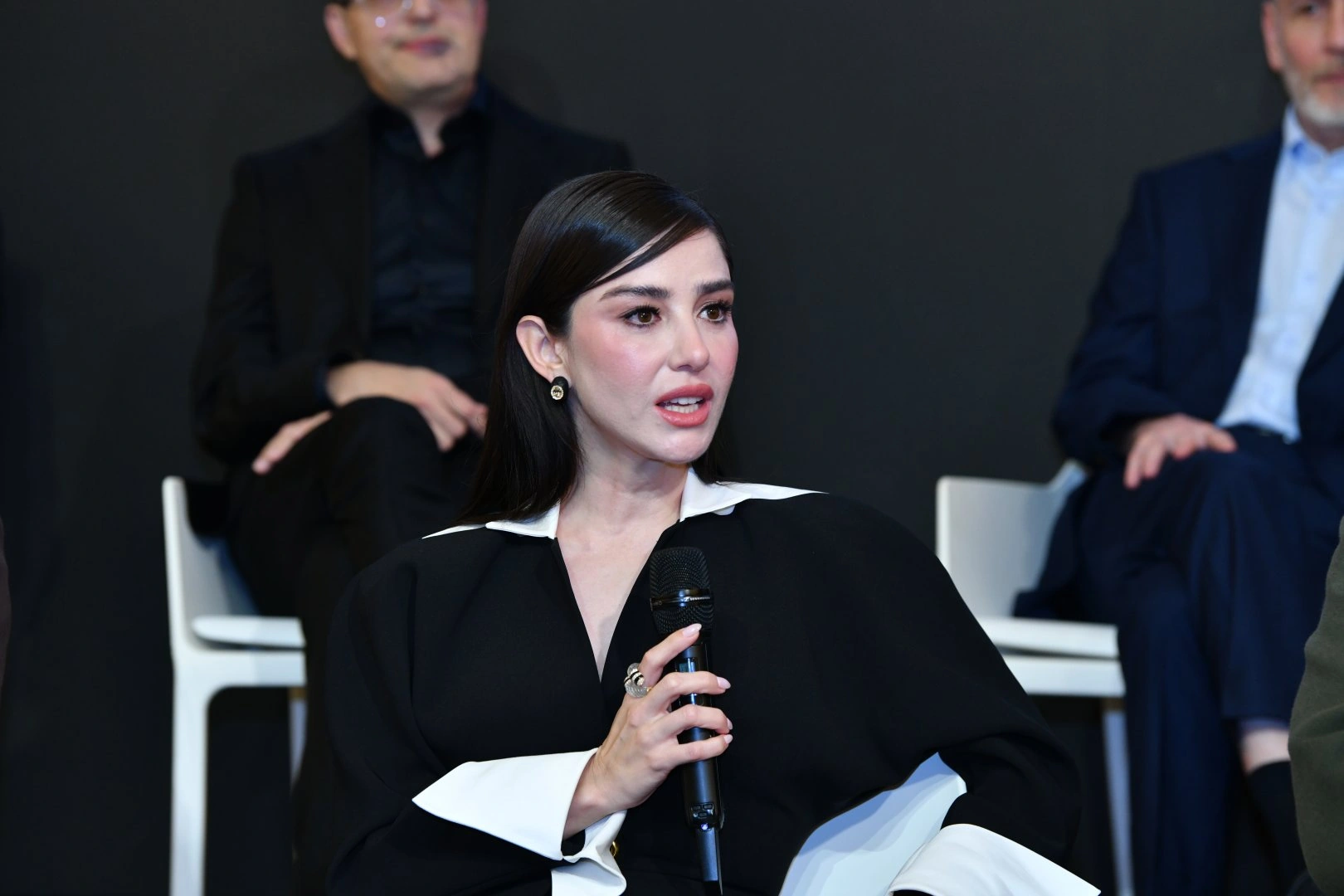
Turkish actress Özge Gürel, who plays one of the lead roles,
expressed her happiness at being part of this historic project. She
said that filming in Azerbaijan left her with the warmest of
impressions.
"I was very anxious when I first received the offer, but then I
realized the magnitude of the responsibility this story entailed
and the depth of preparation it required. For me, this wasn't just
another acting job. The work became an important part of my life
and gave me a new experience that will stay with me for a long
time.
The time spent filming and the opportunity to be part of this
story allowed me to truly feel it. I witnessed a great struggle and
strove to tell the story of these events with the utmost honesty
and authenticity. I poured a great deal of myself into the role.
Moreover, I formed close bonds with the people alongside whom I
told this story.
We worked with great enthusiasm. Through this film, we didn't
just tell a heroic tale; we addressed real events that actually
took place." "This is not a fictional plot, but a story actually
lived by real people, and that held immense significance for
me.
Realizing the responsibility involved in this project was also
crucial. We were telling the story of an entire nation's pain, its
struggle and heroism, and the victory achieved through that
struggle. Our entire team fully understood this. We strove to
convey the emotions people genuinely experienced with great
sensitivity and sincerity. I hope the audience will also feel these
emotions and understand the story we wanted to tell," the actress
said.
Gürel also emphasized that her character, Zeynep, represents the
many young women who waited for their loved ones to return from the
war, some of whom never saw them come back.
Ibrahim Chingiz, who plays the lead role of the special forces
soldier Rashad, spoke about the unique relationship between his
character and Zeynep.
"If we look at foreign war movies, especially romantic dramas,
we often see the same narrative pattern: a man goes off to war,
while the woman stays in a safer place, waiting for her loved
one.
In our film, both characters are fighters. Zeynep isn't in a
haven; she heads to the front lines to treat the wounded as a
medic. Ganja, for instance, came under missile attack, so the
protection of the civilian population becomes a key theme of the
film.
Both characters place humanity, camaraderie, and a sense of duty
above personal interests. That is what sets them apart from many
typical characters in war romances. Through the stories of Zeynep
and Rashad, we show that war leaves its mark not only on the
battlefield but also on the lives of civilians.
Zeynab and Rashad are a young couple in love, making plans and
dreaming of a completely different life. But when war breaks out
and Rashad leaves for the front, Zeynab undergoes an internal
transformation. She faces a choice: leave and abandon her former
life, or follow Rashad and remain part of the unfolding events.
Ultimately, she decides not to turn back.
Witnessing Rashad’s love for his homeland and realizing the
sacrifices he is willing to make for it, Zeynab gains a deeper
understanding of his feelings. This, in turn, strengthens her own
love for him. "Their story is, therefore, not merely a tale of
romance, but a narrative about an internal choice, devotion, and
self-sacrifice," the actor noted.
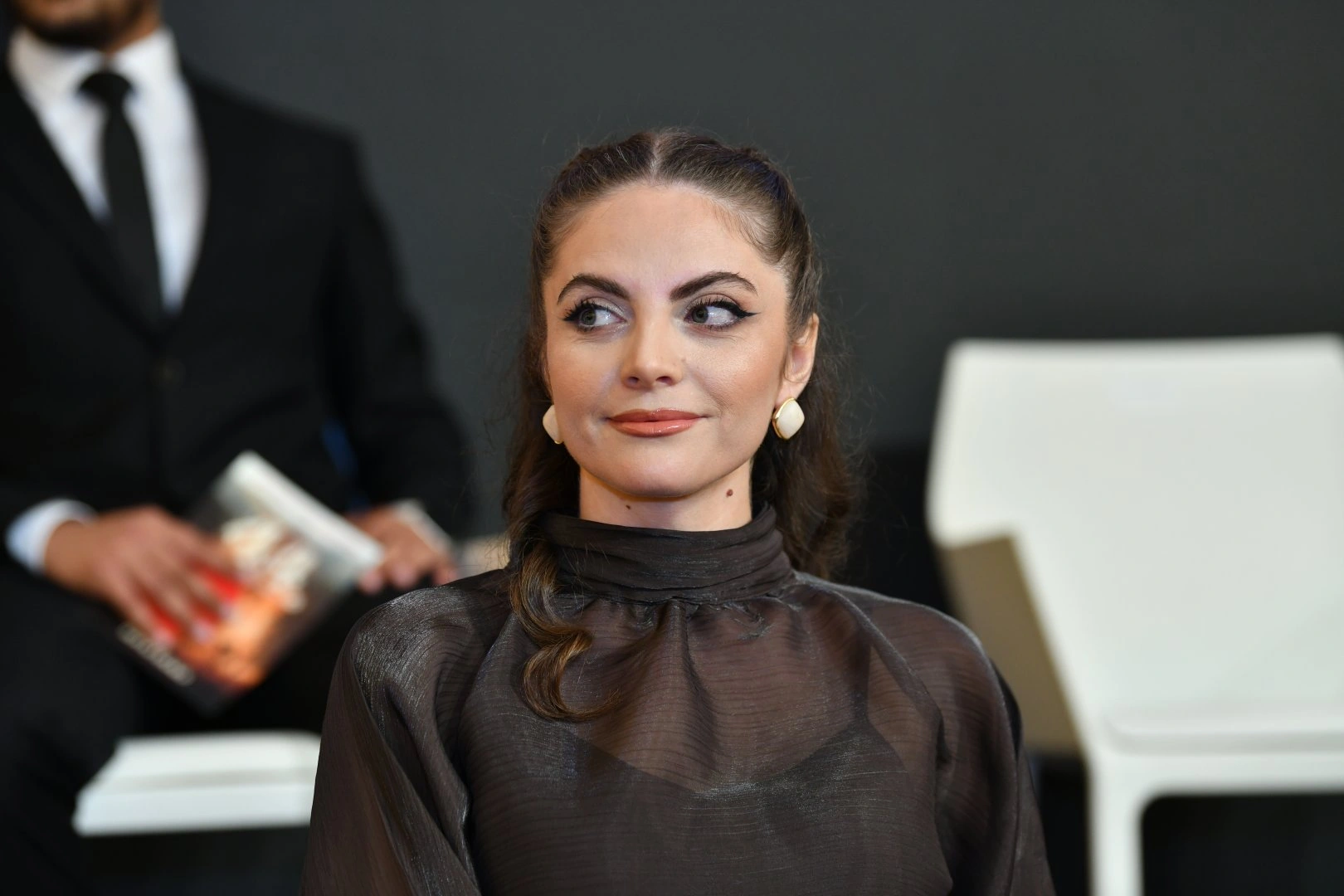
People's Artist of Azerbaijan Mehriban Zaki, who played Rashad’s
mother, said that she didn’t simply perform the role, she lived
it.
"Reliving it all today takes me back to the events of those 44
days. Conveying the memories, feelings, and emotions of those who
lived through those events is an incredibly delicate and weighty
task. As an actress, I felt that there was no room for mere acting
in front of the camera. Because there was no acting in that 44-day
war. It was real life.
There were our martyrs, who gave their lives to help secure this
victory. There are our veterans who fought on the front lines.
There is the consistent policy of the country's leadership, making
necessary decisions and issuing timely orders. There is our
President, who knows exactly what needs to be done in any given
situation. And none of this is acting.
Realizing this, I felt that one cannot rely solely on acting
technique, specific glances, or psychological tricks when in front
of the camera. There had to be truth and reality.
In those days, every citizen of Azerbaijan followed the news and
rejoiced upon learning of the liberation of our lands. We all
experienced incredible emotions! We couldn't sit still during the
President's addresses; we listened to them standing up. Every time
he spoke, we waited for news of victory with excitement, bated
breath, and tears in our eyes.
I took my mother’s hands, and she stroked my hair. Everyone
arrived on set with such love, from directors and actors to the
technical crew and assistant directors. Sometimes, during filming,
we would relive the excitement, inspiration, and determination to
win that had accompanied us throughout those 44 days. And now, as
we look back on those events, it is impossible not to recall
everything we went through. I am certain that these feelings will
return to us when watching the film," the actress noted.
The film's producer, Executive Director of the Baku Media
Center, Orman Aliyev, emphasized that Azerbaijani society had been
waiting for such a film for many years, ever since the First
Karabakh War and the long journey toward the liberation of
Karabakh. He also spoke about plans to promote the film on
international platforms.
"The subject matter of the film itself placed a great
responsibility on us, and the fact that the project was being
realized with the participation of the Baku Media Center made it
even more significant. We are well aware of the high standards
required for every project the center's team works on. I’m
confident that we have successfully risen to the challenge.
A large international team, bringing together specialists from
over ten countries, worked on the project. This demonstrates the
international interest in the film. Moving forward, we intend to do
everything possible to ensure the widest possible audience sees the
film at various international venues.
I also want to highlight the technical aspects of the
production. The Baku Media Center has been active in the film
production industry for about 15 years. Under the leadership of
Arzu Aliyeva, the center places great emphasis on the development
of Azerbaijani cinema and continuously upgrades its technical
infrastructure.
To create the film, we acquired additional state-of-the-art
equipment used in global film production. Every director and
cinematographer knows the importance of working with high-end
professional gear; that is precisely why we made sure to equip the
film crew with everything necessary.
To ensure audiences could fully appreciate the visuals and
sound, we employed modern technical solutions during the film's
production. We strove for the highest possible quality in both
image and audio. Specialized technical equipment was used to
capture the full depth of the musical score and the film's sonic
atmosphere.
I would like very much to see more projects emerging in
Azerbaijan that can be presented to audiences with such a high
level of technical excellence," noted Orman Aliyev.
Ruslan Aghababayev spoke about the film's musical concept,
noting that Anar Alakbarov was the originator of the soundtrack
idea.
"The music for a film like this shouldn't just be background
noise. It needs to convey the characters' feelings, heighten the
emotional impact of the events, and help the viewer gain a deeper
understanding of the story. While composing the music, we aimed to
preserve the work's national character and incorporate Azerbaijani
musical intonations. For the recording and mixing, we collaborated
with professionals who have worked in renowned international
studios.
I worked on the music for a year. During that time, I revisited
numerous episodes and various segments of the film. Each time I
returned to these scenes, I relived the characters' emotions and
recalled their facial expressions.
We grew close during the process, so I am especially grateful
for the opportunity to serve as the composer for this project,"
noted Aghababayev.
The film's music producer, Honored Artist Vugar Jamalzade, also
spoke about the work accomplished.
"After listening to the music, our international colleagues
showed great interest in Azerbaijani musical motifs. They
participated enthusiastically in discussions, offering ideas and
sharing their thoughts on how to refine specific musical passages.
It was particularly gratifying to see how deeply they had immersed
themselves in our culture and musical traditions.
I believe the collaboration was both fascinating and fruitful. I
would like to thank everyone for the opportunity to work on this
project, and I hope the audience enjoys the result," he
remarked.
The screenplay was written by Anar Alakbarov and Ismayil Iman.
Iman recounted that during one of his first meetings with
Alakbarov, the latter mentioned that the film had essentially
already taken shape in his imagination and that the task now was to
bring that story to the screen.
"I’m very glad that this moment has finally arrived and that we
can watch the film together. From the very beginning, the film had
a clear educational and enlightening purpose. We wanted this to be
reflected in both the dialogue and the development of the plot.
It was important for us to create a work that would resonate not
only with today's audiences but also with future generations. We
aimed to make the film accessible to a broad audience so that the
people who will live in an independent Azerbaijan in the years to
come could also see it and learn more about these events. That was
one of our primary objectives," the screenwriter noted.
Rasim Abdullayev, the project's youngest cast member, who played
the role of Aydin, shared that participating in the film was not
only the fulfillment of a childhood dream but also an opportunity
to connect with his own family's history.
"My family's history is closely linked to the Karabakh War: my
grandfather died during the First Karabakh War, and my father took
part in the 44-day Patriotic War. Therefore, being part of a film
dedicated to these events held special significance for me.
I’m glad that our soldiers are strong today and that Karabakh
has returned to Azerbaijan. I congratulate everyone on this
victory!" he said.
Ilgar Musayev, who played the role of Special Forces commander
Ramazan, recounted how he and the other actors underwent special
training at a military base to portray the events on screen as
authentically as possible.
"We faced numerous challenges during filming, including those
caused by weather conditions. Sometimes, circumstances changed
quite unexpectedly. We might have planned a shoot for the following
day, only for the temperature to drop to minus 18 degrees, creating
additional difficulties.
Preparing the locations was no easy task: we had to clear the
terrain, reorganize the filming process from scratch, and adapt to
working conditions in the mountains. At times, we had to start
almost from square one. Yet, even under these circumstances, the
crew stayed with us to the very end. They supported the actors,
kept a close eye on the action, listened to our suggestions, and
took part in discussing operational issues. I’m deeply grateful to
the entire team for that.
We truly underwent the same trials faced by special forces
soldiers and even took a sort of exam administered by commanders.
We wanted to get as close to reality as possible so that the
audience could feel the authenticity of what was unfolding on
screen.
Throughout the process, we strove to understand not only how the
characters acted but also how they spoke to one another, addressed
their comrades, and supported each other in difficult
situations.
Furthermore, throughout the entire shoot, we worked closely with
active-duty military personnel from a specific unit. The team also
included two professional soldiers who had seen combat before being
discharged; they helped us authentically portray the nuances of
military service and soldier behavior in combat conditions.
It’s a great honor for me to be part of this film and to
contribute to telling the story of our people," said Musayev.
During the briefing, gratitude was also expressed to the
Ministry of Defense of Azerbaijan for its assistance in preparing
filming locations and ensuring the safety of the project
participants.
The film "44" serves as an artistic chronicle of the Azerbaijani
people's historic Victory. The film was produced with the support
of the Ministry of Culture of Azerbaijan, the Azerbaijan Cinema
Agency (ARKA), and the Baku Media Center.
In terms of production scale, the number of specialists
involved, filming locations, technical resources utilized, and the
level of international cooperation, the film stands as one of the
largest cinematic projects in Azerbaijan in recent years.
The project engaged 198 specialists across various fields. The
cast and crew included 2,500 military personnel, 42 special forces
soldiers, 32 lead actors, 1,143 supporting actors, and
approximately 2,000 extras for crowd scenes. Veterans of the Second
Karabakh War also participated in the filming.
Representatives from all branches and services of the
Azerbaijani Armed Forces were involved in the production. Filming
utilized over 150 units of military hardware, weaponry, engineering
equipment, aircraft, and vehicles, as well as communication
systems, gear, and specialized equipment.
In total, filming took place at more than 130 locations.
Specialists from the U.S., Germany, Austria, Belarus, the UK,
Georgia, Iran, Kazakhstan, Poland, Russia, Türkiye, Ukraine, and
Estonia contributed to the film's production.