BAKU, Azerbaijan, October 8.
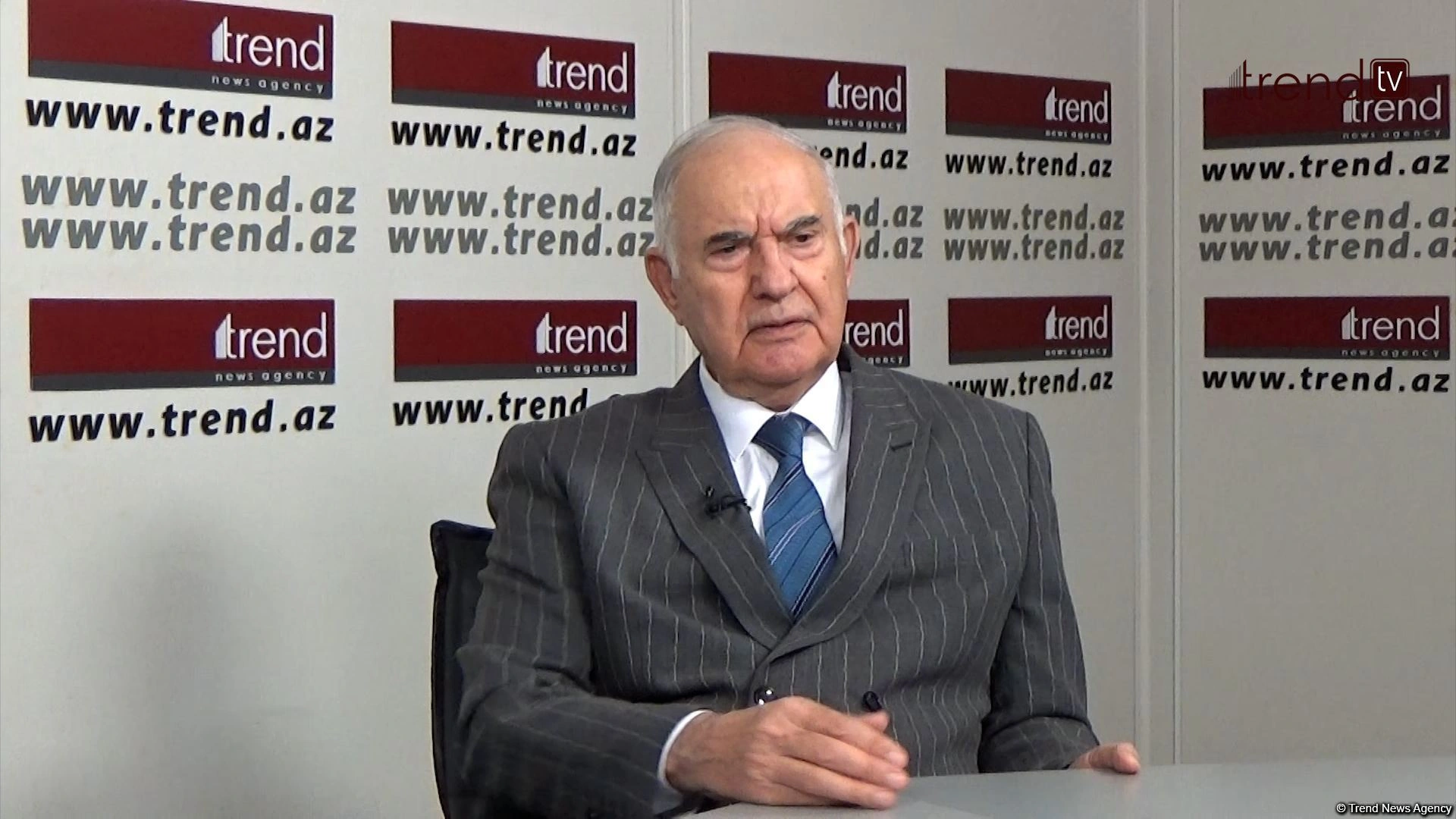
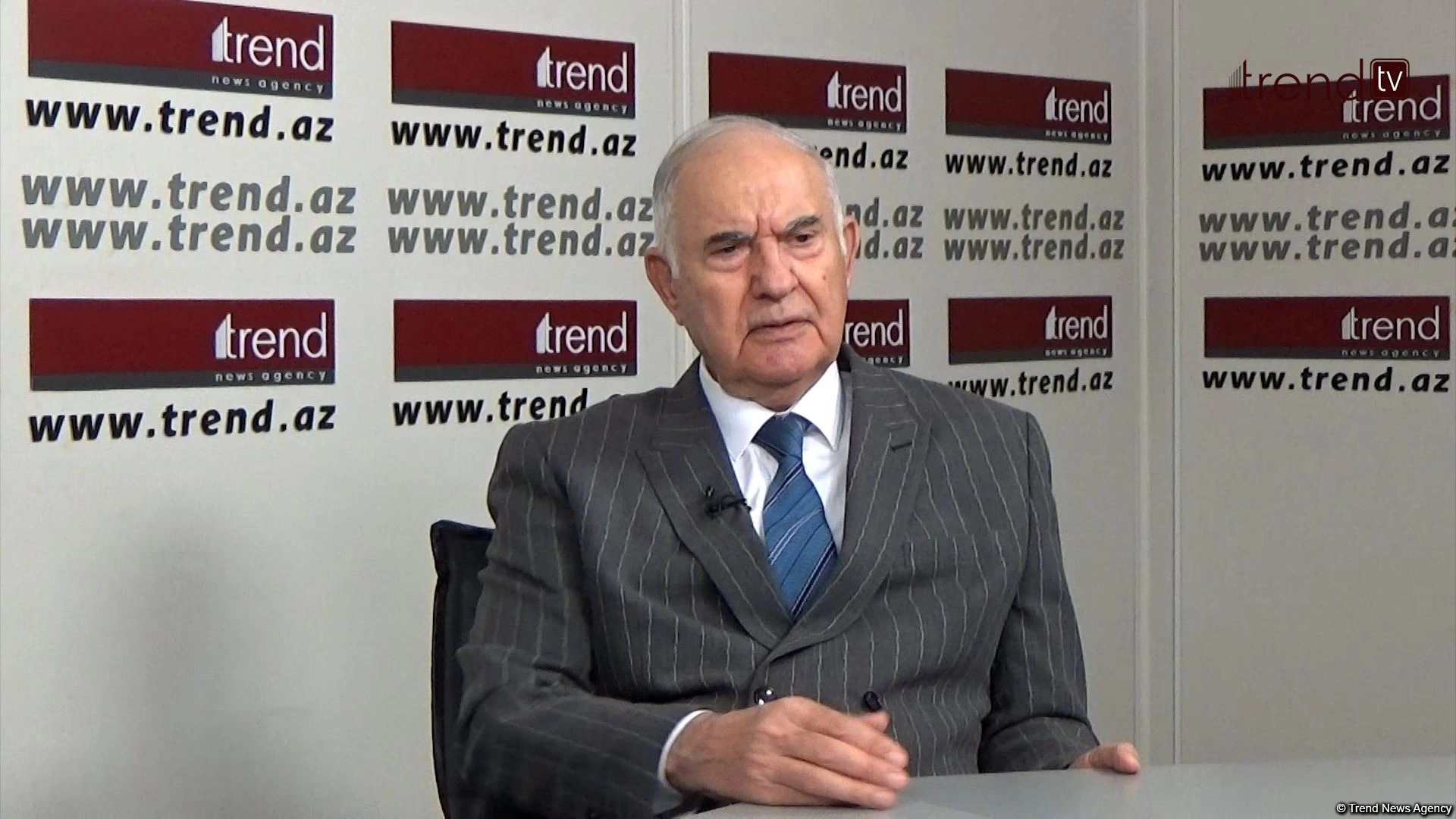
Establishing the fate of the missing persons in Azerbaijan is a
crucial part of the peace process with Armenia, the political
analyst Azer Garayev told Trend.
He said that even after wars end, their severe humanitarian
consequences persist for many years. The fate of missing persons is
one of the most painful aspects of these consequences. For families
who don’t know the whereabouts of their loved ones, whether they
are alive or under what circumstances they lost their lives, the
war effectively never ends. In Azerbaijan, too, thousands of
families have been living with this uncertainty for years.
According to him, this very issue was the main topic of the 4th
international conference held in Baku within the framework of the
Baku Dialogue on Missing Persons.
The event, dedicated to the theme "Strengthening Trust and
Developing Effective Mechanisms for Addressing the Issue of Missing
Persons," brought together representatives of states, international
organizations, experts, and institutions working in this field.
"The conference focused primarily on organizing search efforts
more efficiently, facilitating information exchange, and
strengthening practical mechanisms to secure the answers families
have awaited for years. In his address to the conference
participants, President Ilham Aliyev emphasized that this issue
isn't merely a problem for individual families but carries broader
humanitarian significance: “Establishing the fate of missing
persons is an integral part of this process and a moral
responsibility we bear toward their families.”
This approach is particularly noteworthy given the new realities
emerging in the South Caucasus. Following the full restoration of
Azerbaijan's territorial integrity and sovereignty, opportunities
have expanded to conduct searches in previously inaccessible areas,
locate mass graves, and identify human remains. Consequently,
investigating the fate of the missing is no longer limited to
gathering information about events that occurred years ago. New
facts and investigations conducted in the liberated territories are
enabling the discovery of answers that many families have long
awaited," he noted.
Garayev pointed out that Azerbaijan's State Commission on
Prisoners of War, Hostages and Missing Persons currently has 4,010
Azerbaijani citizens registered as missing due to military
aggression. Of these, 4,004 went missing during the First Karabakh
War, and six during the 44-day Second Karabakh War of 2020. The
list includes 782 civilians alongside 3,228 military personnel.
Among the missing civilians, 71 children, 288 women, and 319
elderly individuals are recorded.
"One of the most significant indicators of the scale of the
search efforts is the results achieved in recent years. Chairman of
the State Commission and Head of the State Security Service,
Colonel-General Ali Naghiyev, said at the conference that
biological samples have been collected and cataloged from 11,566
donors, close relatives of the missing persons. These samples
create a vital database for scientifically based identification:
“As of October 1, 2026, human remains believed to belong to 913
missing persons have been discovered and recovered, and remains
believed to belong to 253 individuals have been exhumed from 32
mass graves found in the liberated territories.”
There is more than just statistics behind these figures. With
the identification of each set of remains, the uncertainty facing a
family that has awaited answers for years is reduced. That is
precisely why DNA analysis, exhumations, and forensic examinations
have become key components of the search process. Furthermore, the
systematization of the data obtained serves as a foundation for
future identifications.
According to Naghiyev, forensic molecular-genetic examinations
have led to the identification of 328 individuals who went missing
during the First Karabakh War, while the remains of 273 of them
have been handed over to their families and buried. These results
demonstrate that the search efforts are now being conducted on a
concrete and scientifically grounded basis," he explained.
The analyst emphasized that the Azerbaijani side reports the
continuation of direct contacts with Armenia regarding the
determination of the fate of missing persons.
"Since February 2025, the State Commission has been holding
meetings and exchanging information with the relevant commission in
Armenia." Information has also been submitted to the opposing side
regarding 834 Azerbaijanis who, according to various sources and
witness testimonies, were taken prisoner or held hostage and kept
hidden from international organizations. In his address, President
Ilham Aliyev emphasized that the outcome of the search efforts
depends directly on the completeness of the information provided,
noting: "Armenia must provide all information concerning the fate
of missing Azerbaijanis, as well as the locations of their mass and
individual burial sites, and facilitate access to the relevant
archives and the gathering of witness statements. In addition to
being a legal obligation and a humanitarian responsibility, this
would serve as a practical expression of a commitment to peace and
contribute to building mutual trust. Information concerning the
fate of missing persons must not be made subject to political
conditions."
This statement also highlights the essence of the issue.
Determining the fate of missing persons is less about political
debates and more about specific human lives, the rights of
families, and questions that have remained unanswered for years. To
this end, opening archives, collecting witness testimonies, sharing
information, and utilizing modern technologies are essential,"
Garayev said.
According to him, this is precisely where the primary
significance of the Baku Dialogue lies.
"Through this platform, Azerbaijan aims not only to keep the
issue of missing persons on the international agenda but also to
expand practical cooperation among states and experts. In his
address, President Ilham Aliyev emphasized the need for the UN and
other international organizations to play a more active role in
areas such as search operations, information exchange, forensic
analysis, and support for families. Azerbaijan also considers it
necessary to establish a special mechanism for missing persons
within the UN framework.
Ultimately, determining the fate of the missing is not merely
about investigating the past. It is a process involving the
mitigation of the humanitarian consequences of war, bringing an end
to the years-long waiting endured by families, and strengthening
trust in the region. While political agreements can lay the
foundation for lasting peace, addressing the scars the conflict has
left on human lives is also a crucial part of this process. For
Azerbaijan, however, clarifying the fate of every missing person
remains a concrete and long-term task facing the state," Garayev
added.