BAKU, Azerbaijan, September 23. President of
Kyrgyzstan Sadyr Japarov arrived in the U.S. state of Utah on
September 18 as part of his working visit to the United States,
where he familiarized himself with U.S. experience in tourism
development and sustainable mountain management.
Following his visit to Utah, the head of state traveled to New
York to participate in events held during the High-Level Week of
the General Debate of the 81st session of the UN General Assembly,
as well as to conduct bilateral meetings with representatives of
the U.S. authorities and major businesses.
The initial stage of the visit demonstrated that its agenda
extended beyond an exchange of experience, placing particular
emphasis on identifying practical areas for further development of
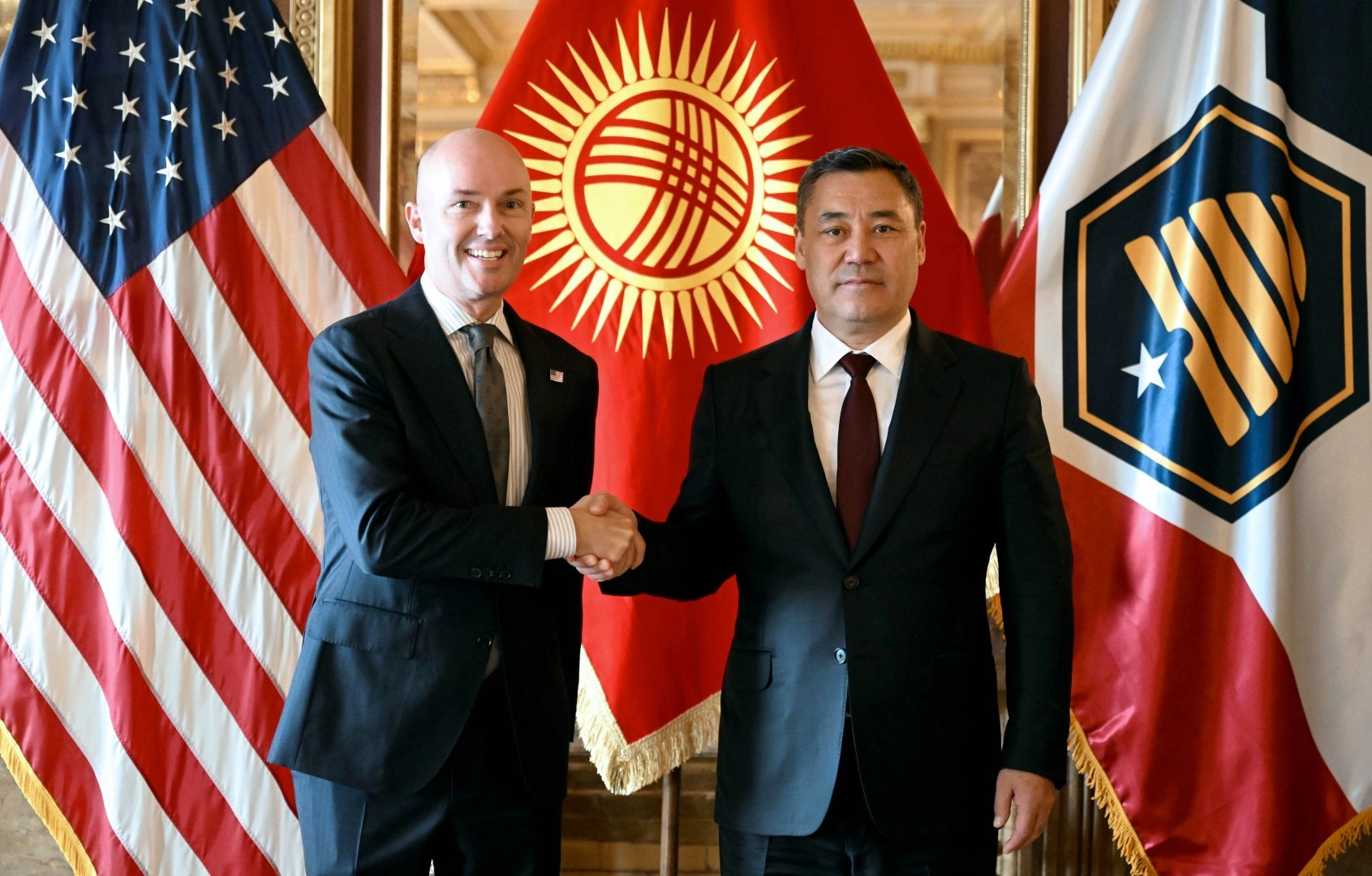
Kyrgyz-U.S. relations. In Utah, Sadyr Japarov held meetings with
Utah Governor Spencer Cox and Senate President Stuart Adams, during
which mining, tourism, sports, information technology, finance, and
infrastructure were among the areas discussed.
The selection of Utah as the first destination of the visit
carried an economic dimension. The state has considerable
experience in the development of mountainous territories, winter
sports, and tourism infrastructure, which Kyrgyzstan considers
potentially relevant to the implementation of its own projects.
In particular, Sadyr Japarov visited Utah Olympic Park, where he
familiarized himself with the use of Olympic infrastructure
established for the 2002 Games, as well as preparations in Utah for
the 2034 Winter Olympic Games. The Kyrgyz side expressed interest
in the experience of engaging children and young people in winter
sports, developing athletes, and utilizing sports facilities as a
means of supporting tourism development.
"For Kyrgyzstan, this is a very valuable experience. We need not
only to develop modern sports infrastructure, but also to create
conditions for as many children and young people as possible to
engage in winter sports. This is simultaneously about the health of
the nation, the development of sports and tourism, and promoting
the country," the President said.
This approach is directly linked to Kyrgyzstan's plans to
develop mountain tourism. During the visit, Japarov also
familiarized himself with the Deer Valley ski resort expansion
project, which envisages the creation of a year-round cluster with
hotel, residential, sports and tourism infrastructure.
For Kyrgyzstan, such experience is of interest primarily in
terms of creating not individual facilities, but comprehensive
tourism centers capable of generating economic activity around
them. Sadyr Japarov himself linked the US experience to the Ala-Too
Resort project in the Issyk-Kul region.
"Kyrgyzstan has big ambitions in tourism. Our task is to create
not just individual ski resorts, but world-class resorts around
which entire regions will develop, with modern hotels, restaurants,
services, new jobs and investment. They should be attractive
year-round both for our citizens and for guests from around the
world," the President said.
At the same time, the Kyrgyz side sees cooperation with U.S.
businesses as extending far beyond the tourism sector. In New York
on September 21, Sadyr Japarov held talks with representatives of
StoneX Group, Citibank, Wabtec, as well as US government
agencies.
The meeting with StoneX Group continued existing business ties
in international precious metals trading. The sides discussed
precious metals trading, price risk management, international
settlements, and modern financial instruments. As a result,
memorandums were signed between StoneX Group and the Ministry of
Finance of Kyrgyzstan, as well as between StoneX Group and Eldik
Bank.
At the same time, Kyrgyzstan began building broader cooperation
with Citibank. During the meeting with the bank's management, the
sides discussed international settlements, investment cooperation,
new correspondent banking relationships and the possible opening of
a Citibank branch in Kyrgyzstan. Three memorandums were signed
following the meeting - with the Ministry of Finance, Eldik Bank
and ABank.
Another area was railway cooperation. Kyrgyzstan signed a
contract with US-based Wabtec to purchase 10 TE33AS-series mainline
freight locomotives. Their delivery is expected by the end of
2027.
According to Japarov, the new locomotives will allow around 30%
of the Kyrgyz Temir Zholu (Kyrgyz Railways) fleet to be modernized.
The President also instructed officials to work on the full renewal
of the remaining locomotive fleet within the next five years.
This project can be viewed in the broader context of the
development of Kyrgyzstan's transport infrastructure. The country
links the prospects for railway transportation with the
implementation of the China-Kyrgyzstan-Uzbekistan railway, which,
according to Kyrgyz plans, is expected to be completed by 2030.
In this case, the renewal of the locomotive fleet becomes part
of preparations for a potential increase in freight flows. At the
same time, this creates potential opportunities for further
participation by U.S. companies in the supply of equipment,
technologies and financial solutions.
The economic component of the visit is accompanied by an effort
to establish a broader basis for the presence of US businesses in
Kyrgyzstan. At a meeting with representatives of the US business
community, Japarov said the country was interested in attracting
U.S. investment and identified mining, textile production and
construction as promising areas.
At the same time, a significant part of the talks focused on the
business environment. Sadyr Japarov told US representatives about
measures to strengthen the rule of law, and combat corruption,
which the Kyrgyz side considers necessary conditions for protecting
property and investment.
Thus, the visit demonstrates several potentially interconnected
areas for the further development of Kyrgyz-US relations. One of
them could be expanded U.S. involvement in infrastructure projects,
including the railway sector. Another is the development of
financial cooperation through U.S. banks and financial companies. A
separate area is related to tourism, mountain infrastructure, and
the application of Utah's experience in implementing the Ala-Too
Resort and similar projects in other regions of Kyrgyzstan.
The possibility of direct air service between Kyrgyzstan and the
U.S., which Sadyr Japarov proposed discussing with the Utah
leadership, could, if further developed, also become an additional
element in expanding business and tourism contacts.
Further developments could take several directions. The
agreements reached could be transformed into specific investment
projects and long-term contracts. U.S. financial institutions could
expand cooperation with Kyrgyz banks and government agencies, while
U.S. companies could become more actively involved in
infrastructure and industrial projects. Another area could be the
development of cooperation between Kyrgyzstan and Utah in mountain
tourism, winter sports, and the sustainable development of
mountainous areas.
In any case, the visit created several new channels for
interaction, ranging from finance and transport to tourism, sports,
and mining. Their further development will depend on the
implementation of the signed documents, decisions by US and Kyrgyz
companies, and the specific projects that the sides are able to
develop following the visit.