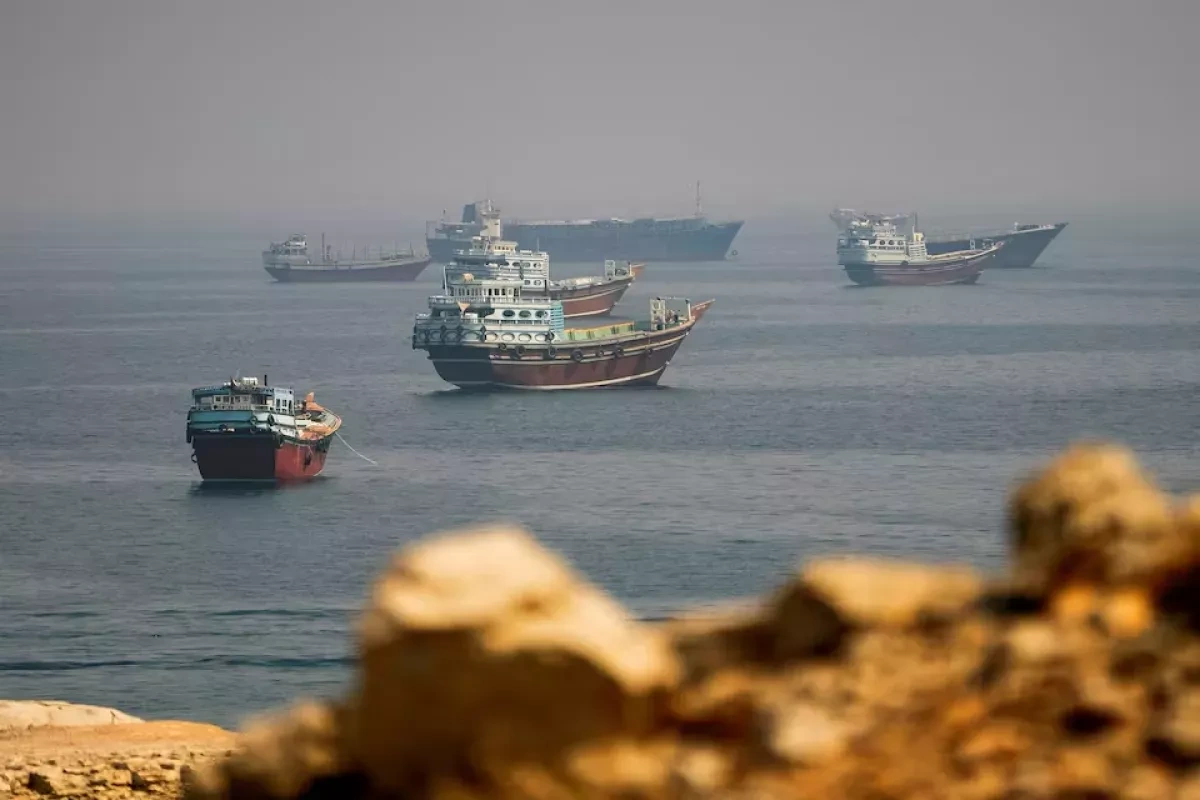
Four commodity vessels transited the Strait of Hormuz in the Gulf on Thursday, down from six the day before and well below the 10-day average of about 16, preliminary shipping data showed on Friday, September 18.
The figures remain subject to change, as some vessels typically switch off their transponders while sailing through the conflict zone to reduce the risk of detection.
According to data from ship tracker Kpler, as of 0200 GMT, three of the four vessels were entering the strait and heading into the Gulf, while one was travelling in the opposite direction.
The vessels comprised two Panamax tankers, one Supramax vessel and one Kamsarmax vessel. Before the Iran conflict, the Strait of Hormuz carried about one-fifth of the world’s oil and gas.
Meanwhile, 23 commodity vessels transited the Bab el-Mandeb Strait on Thursday, another key maritime chokepoint at the southwestern tip of Yemen and an important trade route for oil between the Red Sea and the Gulf of Aden.
The data showed that 13 vessels were heading toward the Red Sea and 10 toward the Gulf of Aden. They included one Panamax tanker, one Suezmax tanker, four Supramax vessels and six Aframax tankers.
Thursday’s traffic was below the 10-day average of about 26 vessels using the strait.
The Iran-backed Houthis have seized control of Yemen’s entire Red Sea coastline since last week, prompting the Saudi Arabian air force to carry out airstrikes.
The expansion of the war into Yemen and Saudi Arabia has raised fresh concerns over oil supplies by putting the Red Sea export route at risk. The route is the main alternative for Gulf oil shipments while traffic through the Strait of Hormuz remains constrained.
By Tamilla Hasanova