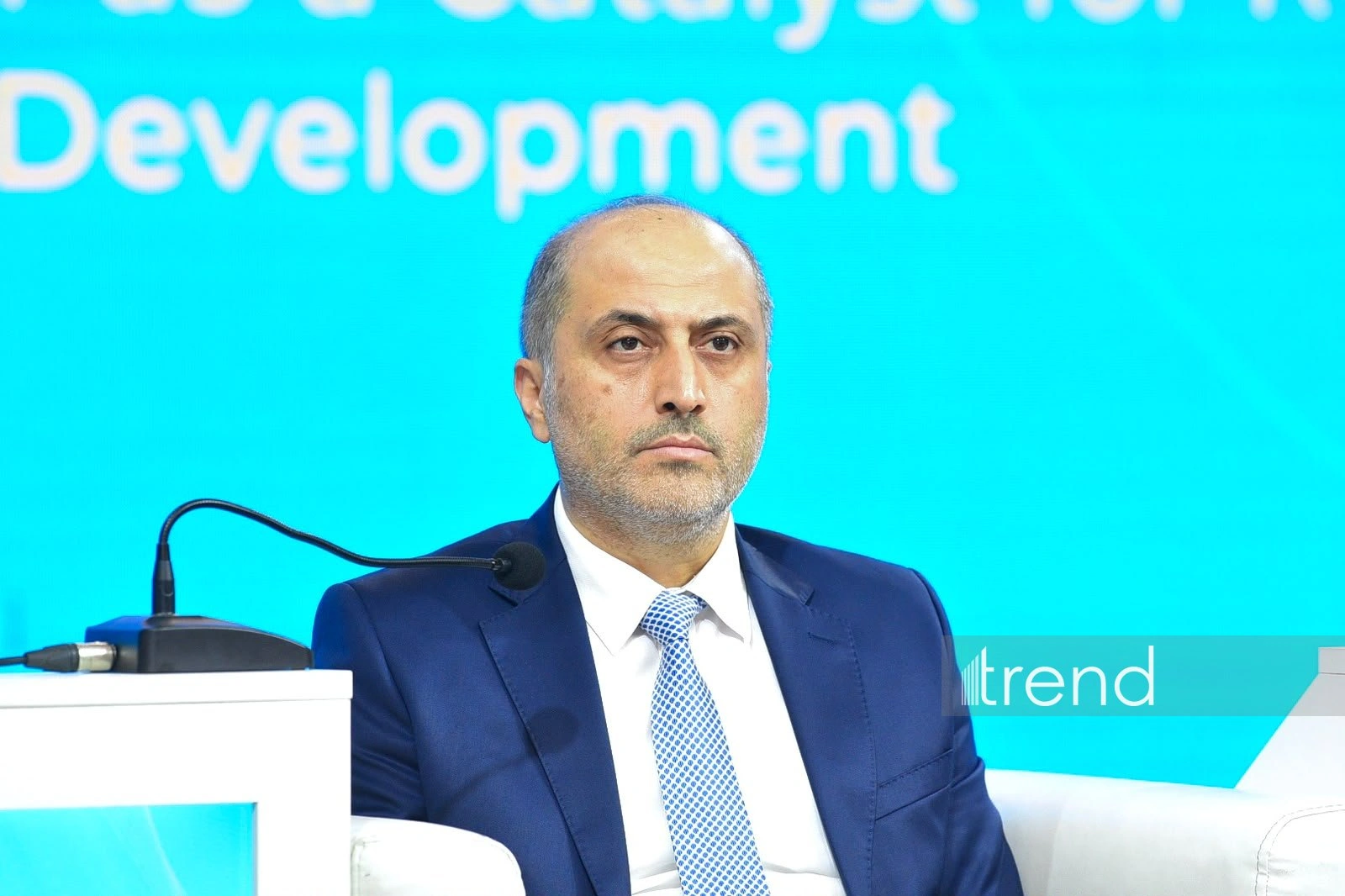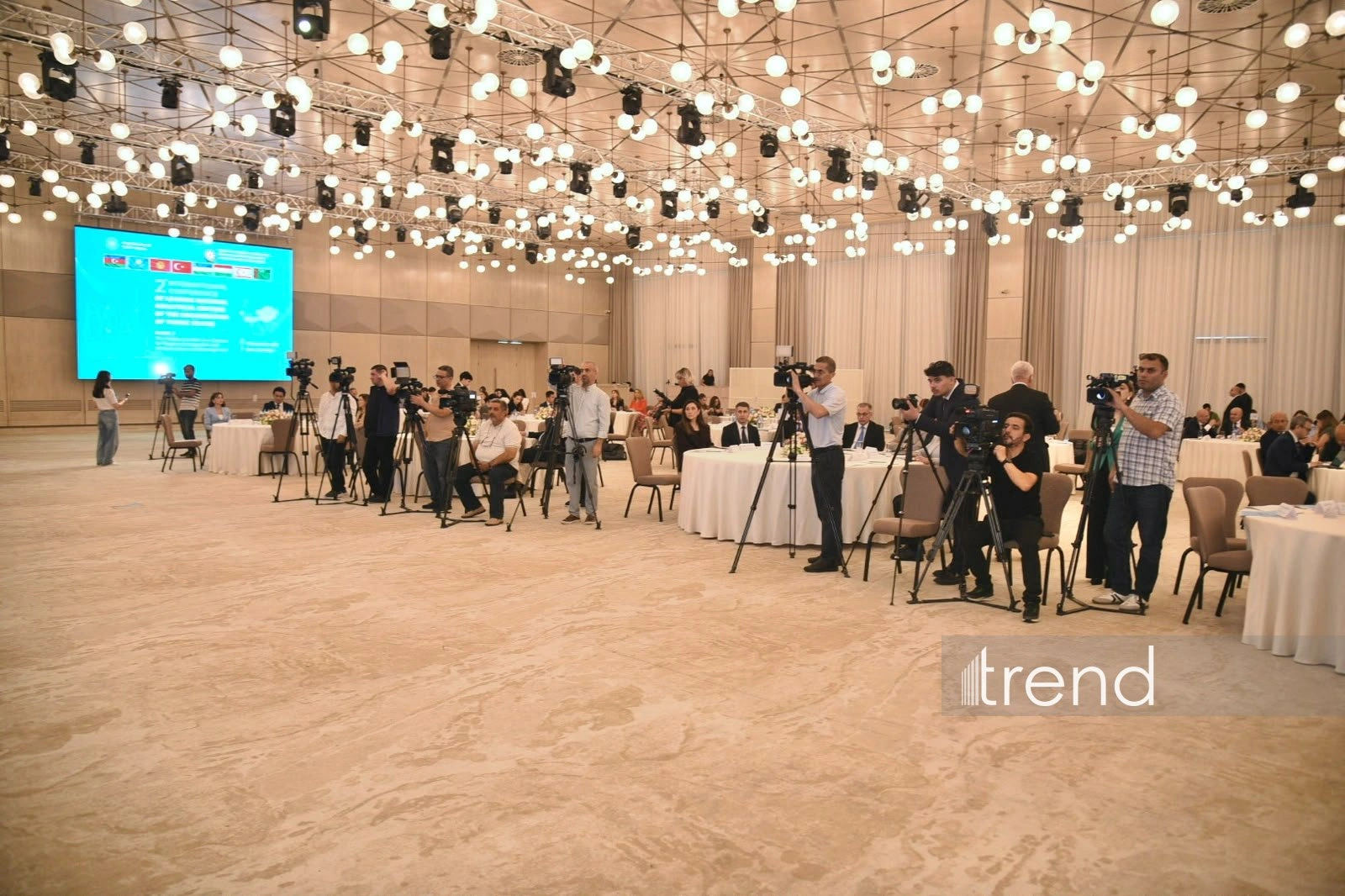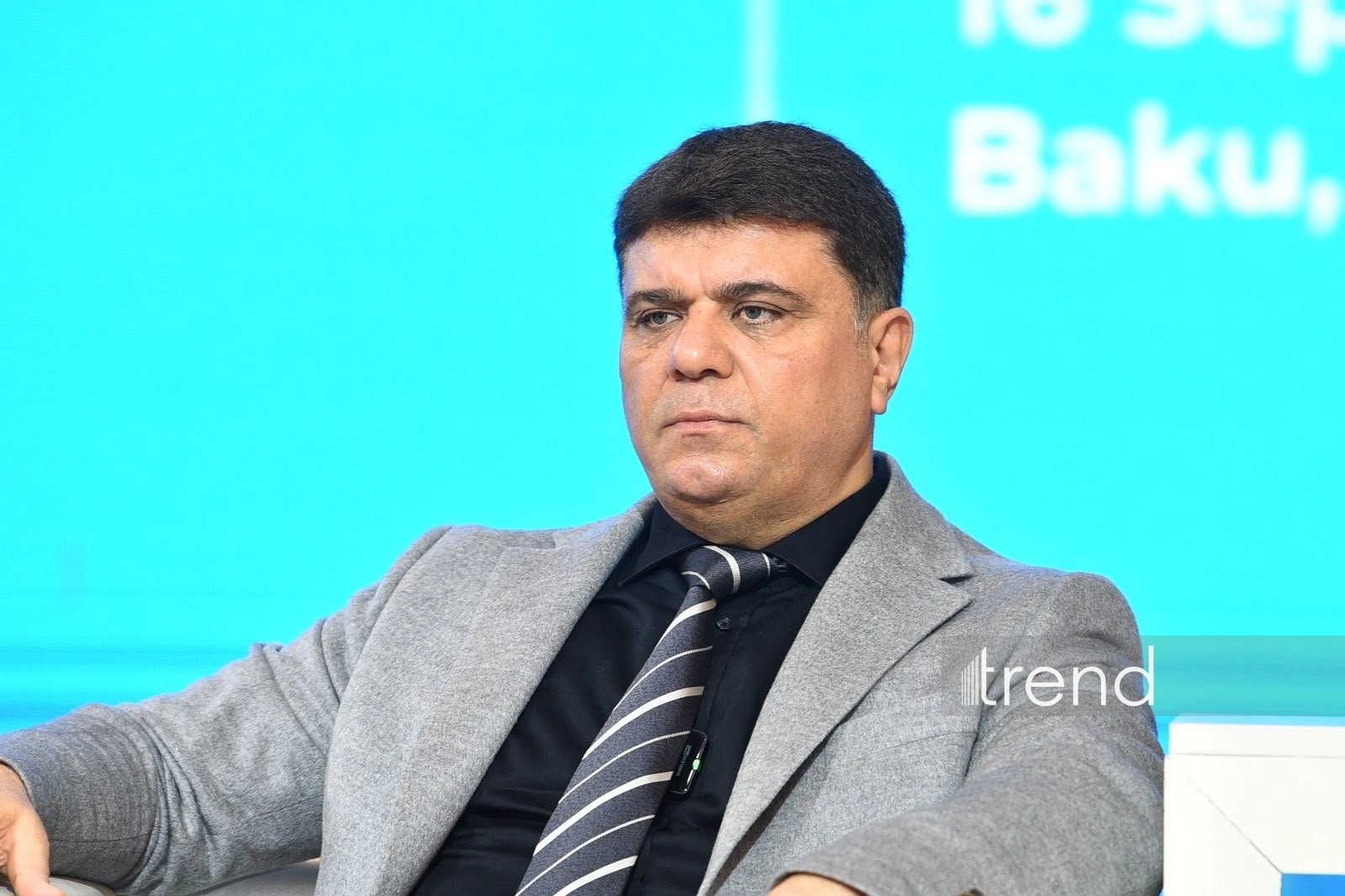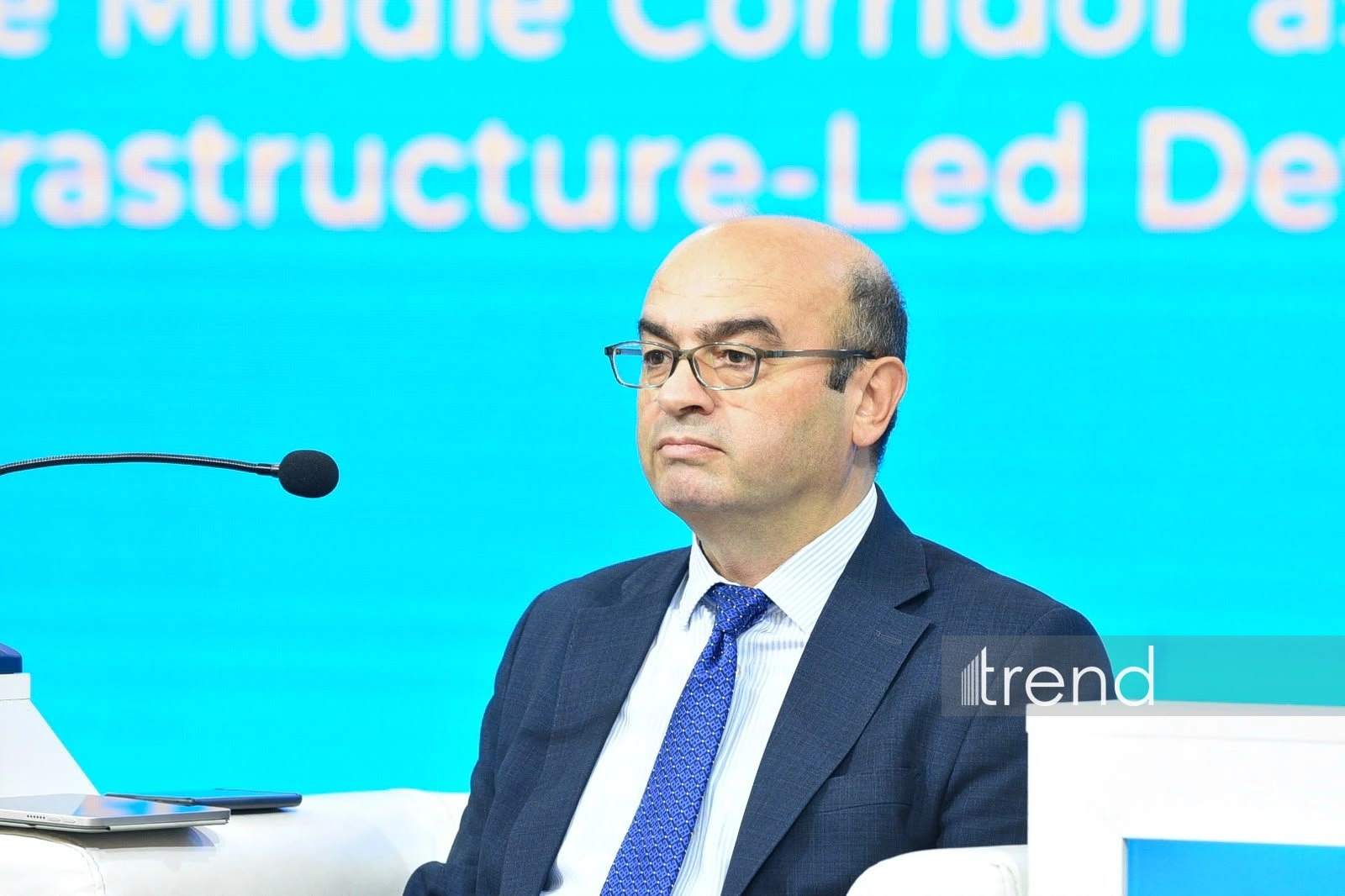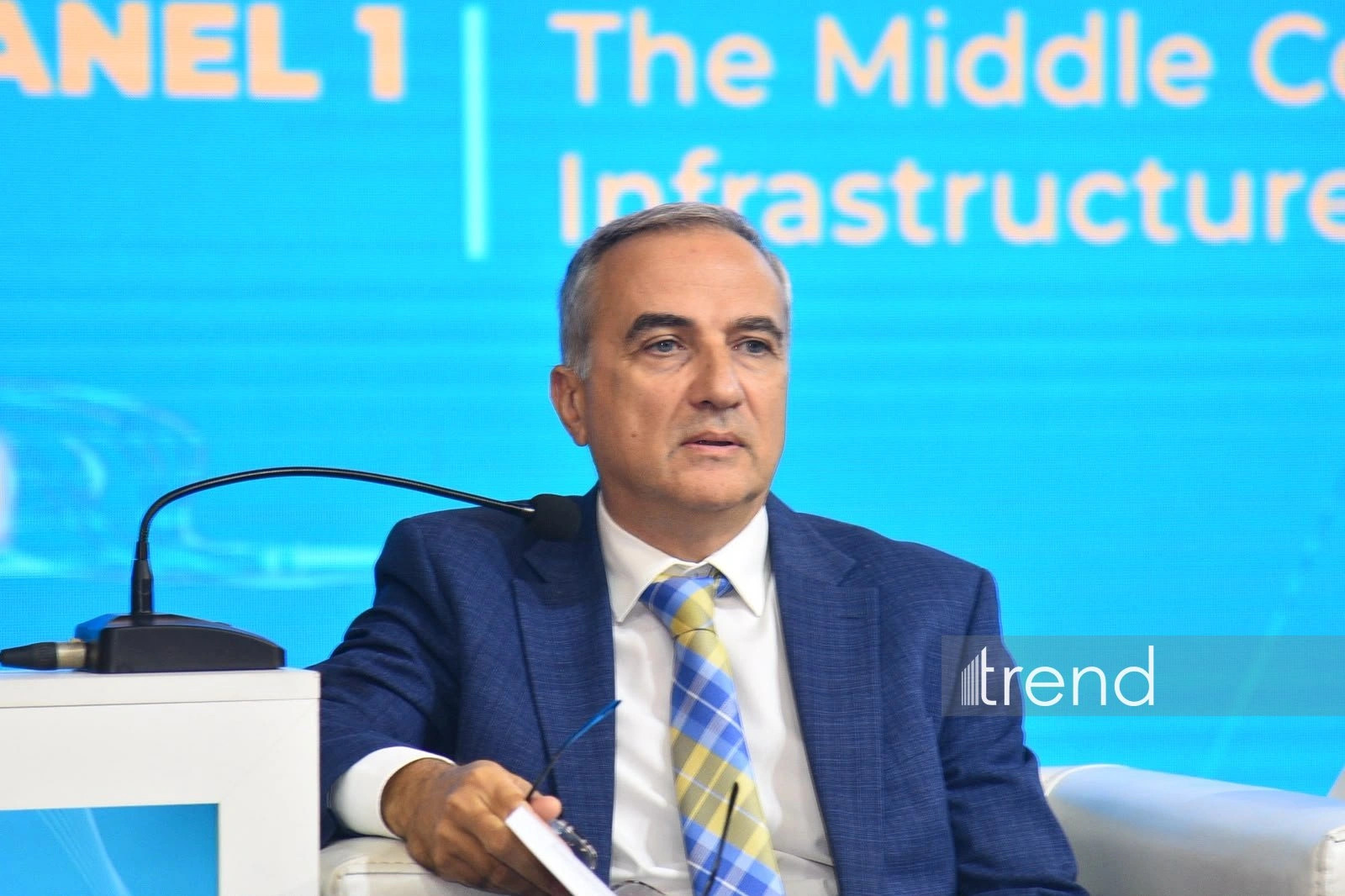
BAKU, Azerbaijan, September 16. A panel
discussion on “The Middle Corridor as a Catalyst for Regional
Integration and Infrastructure-led Development” took place in Baku
as part of the 2nd International Conference of Leading National
Think Tanks of the Organization of Turkic States (OTS), Trend’s correspondent reports
from the event.
During the panel discussion, participants addressed the need to
implement harmonized infrastructure standards, compatible
transportation systems, and simplified customs procedures to
enhance the efficiency and predictability of Middle Corridor
operations, as well as to expand opportunities for its
development.
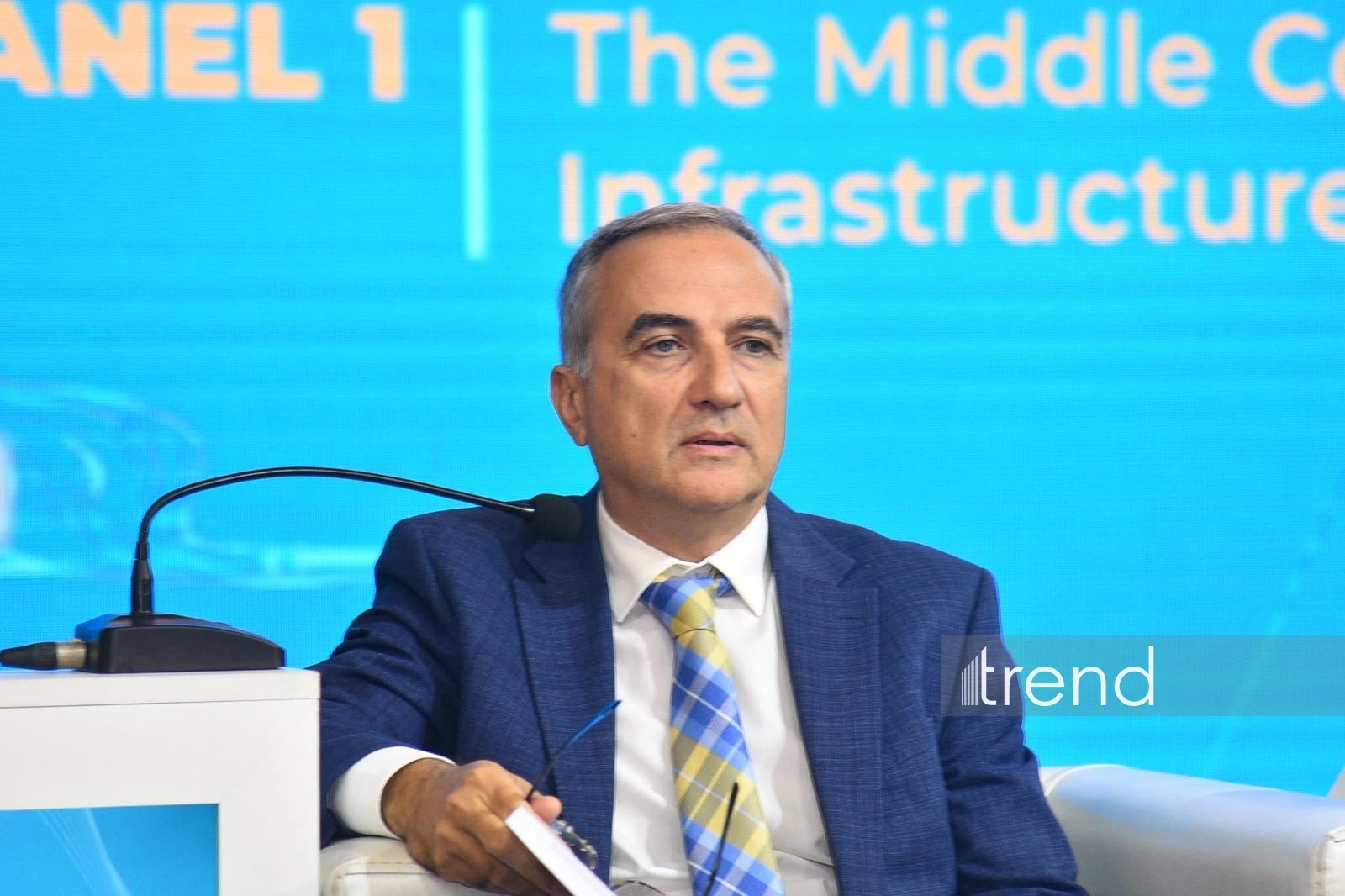
Fared Shafiyev, Chairman of the Board of the Center for the
Analysis of International Relations and Multiculturalism, noted in
his remarks that the competitiveness of the Middle Corridor depends
not only on its physical capacity but also on how efficiently cargo
crosses national borders.
“The ‘e-Permit’ (electronic permits) and ‘single window’ systems
are designed to simplify the documentation process when crossing
borders, reduce administrative barriers, and ensure real-time
tracking of cargo,” he stated.
Balázs Hendrich, head of the Hungarian mission to the
Organization of Turkic States, noted that the Organization of
Turkic States attaches great importance to the Middle Corridor as a
strategic location.
“Particular importance is attached to expanding infrastructure
between member states of the Organization of Turkic States, which
makes the Middle Corridor the shortest and safest transport link
between East and West. Member states are investing significant
resources in the region’s development.
The Organization aims to improve efficiency and reduce barriers
through the standardization and harmonization of customs procedures
and digital services,” he added.
Yaşar Sarı, director of the Heydar Aliyev Center for Eurasian
Studies at Ibn Khaldun University in Türkiye, emphasized that while
only 1 million metric tons of cargo used to be transported through
the Central Corridor, today that figure exceeds 4 million metric
tons.
“According to the World Bank’s expectations and projections,
this figure will reach 11 million metric tons by 2030. Today,
intra-regional trade among member states of the Organization of
Turkic States (OTS) amounts to approximately $53 billion. It is
expected to exceed $100 billion by 2030. The Middle Corridor will
play a key role in building regional industrial capacity and
preventing the outflow of value added, particularly that associated
with mineral resources, to external powers,” he noted.
The 2nd international conference of leading national analytical
centers of
the Organization OF Turkic States is taking place in Baku.
The main objective of the conference, dedicated to the theme
“Enhancing Economic Cooperation across the Organization of Turkic
States through Continuous Consultations and Joint Research,” is to
discuss the prospects for developing economic cooperation among OTS
member states, institutional mechanisms, and opportunities for
joint research.
The conference is attended by representatives of various
government agencies, think tanks, research institutions, and other
organizations from Azerbaijan, Türkiye, Kazakhstan, Uzbekistan,
Kyrgyzstan, Hungary, and the Turkish Republic of Northern
Cyprus.