BAKU, Azerbaijan, September 8. To ensure the
sustainability of digital transformation, it is important to
measure this process, expand the use of AI and digitalization, and
reduce the need for citizens to be physically present and the use
of paper when accessing government services, the Chairman of the
Board of the Innovation and Digital Development Agency (IDDA),
Farid Osmanov, said, Trend's correspondent reports from the event.
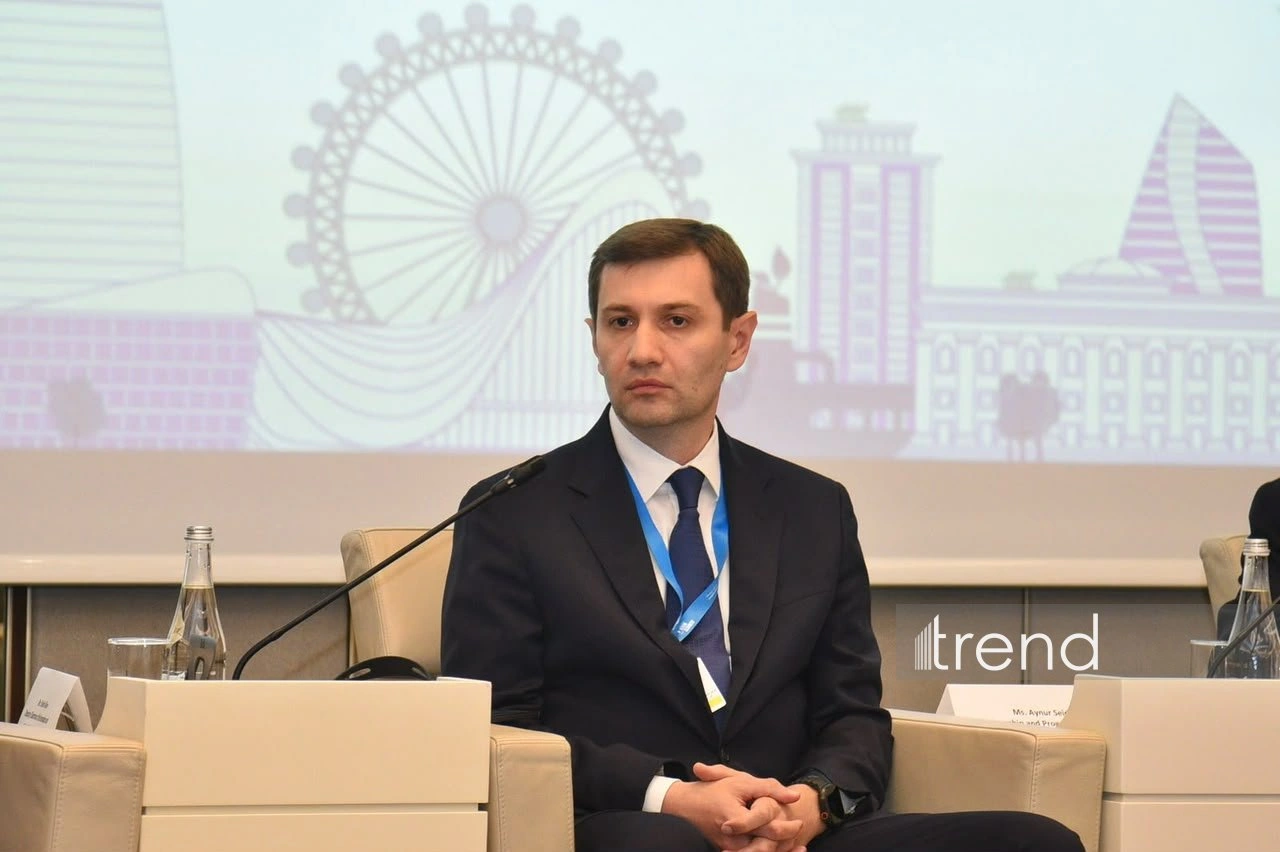
F. Osmanov made the remarks during his speech at the session
“From COP29 to Climate Week: Digital Action Path for a Green
World,” held as part of Baku Climate Week.
According to him, measuring and ensuring the sustainability of
the digital transformation process is of great importance in terms
of the wider adoption of digital solutions.
Osmanov emphasized the importance of expanding the use of
artificial intelligence and digitalization in processes.
He noted that reducing the need for citizens to be physically
present and the number of in-person visits required to access
government services should become one of the main priorities of
digital transformation.
“Minimizing paper use in general is also important in terms of
contributing to and influencing the fight against climate change,”
F. Osmanov said.
He stated that the primary impact of digital infrastructure is
not related to individual services, but rather to large-scale
changes in the daily processes of citizens and businesses.
“The main impact is felt when digital infrastructure
significantly changes everyday processes. This affects the daily
routines of every citizen and business. We’re not just talking
about a single specific use case, but about implementing this
approach on a national level,” he noted.
According to F. Osmanov, Azerbaijan has recently adopted a
number of strategic documents aimed at digitalization. These
include the Digital Development Concept, the Artificial
Intelligence Development Strategy, and an action plan to accelerate
digitalization.
He noted that one of the main goals for the next three years is
to increase the level of digitalization of public services to more
than 80%.
The second day of the Fourth Climate Week (CW4) of the United
Nations Framework Convention on Climate Change is taking place in
Baku.
The second day is dedicated to sustainable urban development,
transportation, water resources, and agriculture.
Participants include representatives of various countries’
governments, international organizations, experts, financial
institutions, the private sector, and civil society.
The Baku Climate Action Week, now in its third year, is being
held this year for the first time in conjunction with the UN
Framework Convention on Climate Change (UNFCCC) Climate Week. As
part of the Fourth Climate Week and Baku Climate Action Week, a
series of sessions, panel discussions, and other events will be
held on combating climate change, climate finance, sustainable
development, and accelerating climate action.
Baku Climate Action Week (BCAW 2026) will run through September
11.