BAKU, Azerbaijan, September 7. As long as this
situation and problem persist, it is impossible to talk about the
security of the Strait of Hormuz. The problem in the Strait of
Hormuz arose as a result of U.S. actions.
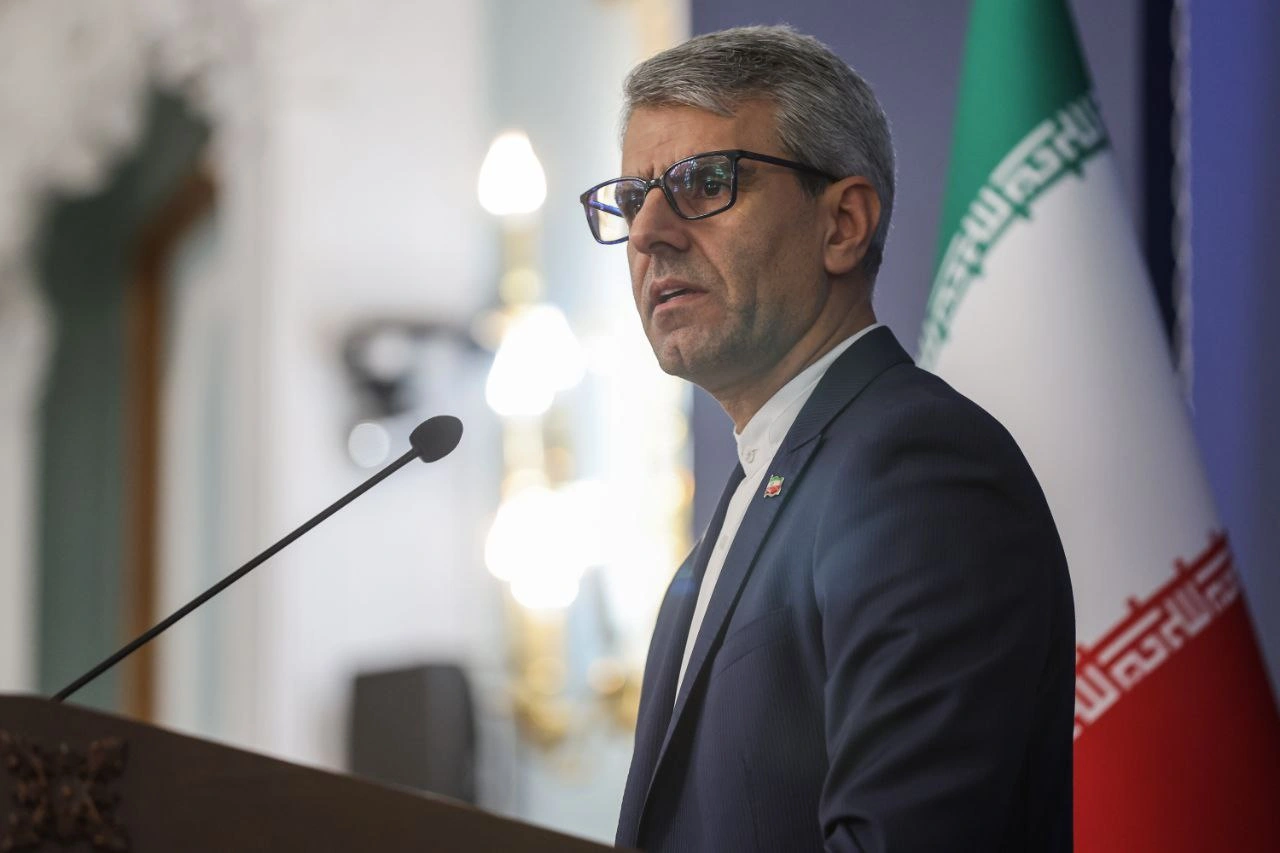
This was announced in a statement published by the Iranian MFA,
citing spokesperson Esmaeil Baghaei's remarks at a press conference
in Tehran on September 7.
“The situation in the Strait of Hormuz has become problematic as
a result of military attacks by the United States and Israel on
Iran and the misuse of the territory of countries located in the
southern part of the Persian Gulf,” he noted.
Baghaei stated that this situation is still ongoing. Currently,
the problem consists of a naval blockade, an economic war, and
attacks on Iranian merchant ships.
“Iran’s position is clear. Ever since Iran entered the
diplomatic process and reached an agreement on a memorandum of
understanding, it has outlined its position in the memorandum
signed in Islamabad. However, the U.S. side refused to fulfill all
of its obligations 22–23 days after signing that memorandum. In
this regard, the ball has long been in the U.S.’s court. This is
because it was the U.S. that launched the military offensive and
failed to honor the memorandum it had signed,” he said.
Meanwhile, on July 8, U.S. President Donald Trump announced a
breach of the ceasefire and ordered new strikes against Iran. In
response, Iran launched missile and drone strikes against U.S.
military targets in the Persian Gulf region. Although Washington
has not ruled out the possibility of Iran returning to the
negotiating table, disagreements over security in the Strait of
Hormuz, Iran’s nuclear program, and other issues leave the future
of the peace process uncertain. At present, commercial shipping in
the Strait of Hormuz has once again come to a virtual
standstill.