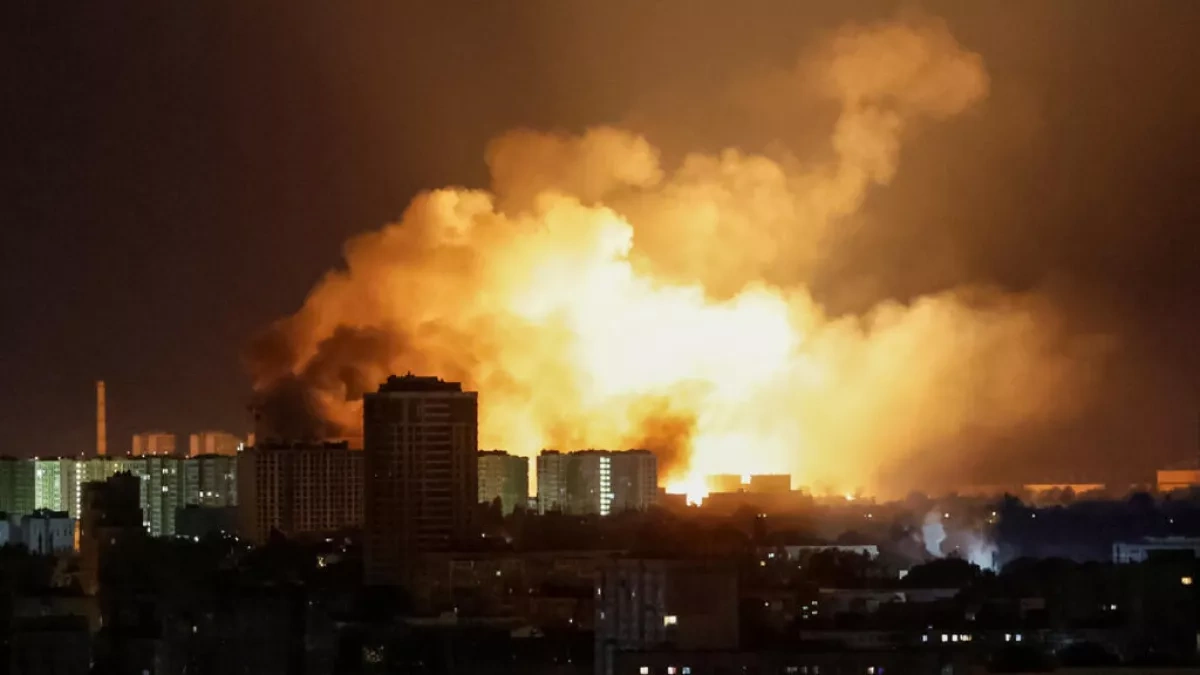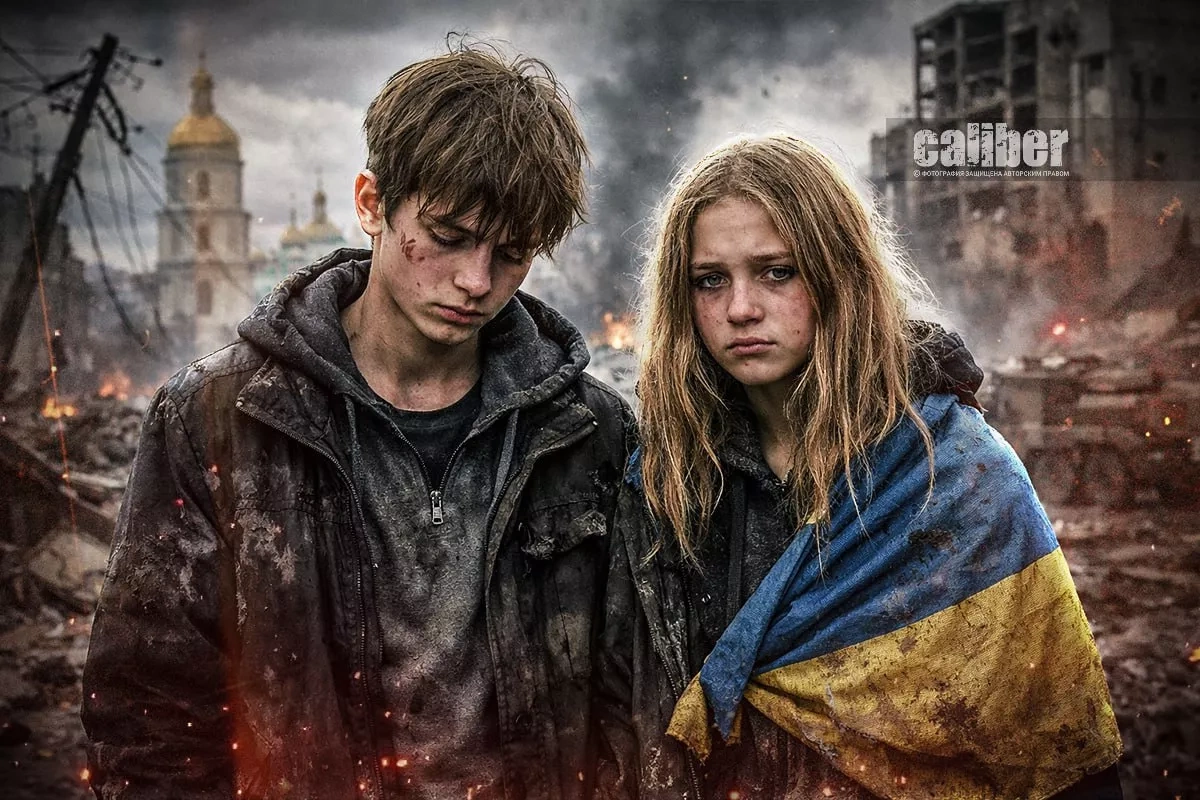
Only those living in a country that has spent four and a half years struggling to survive a brutal, bloody, and exhausting war can truly understand the value of peace. Ukrainians are living through precisely such a reality, fighting for survival every day. In recent months, however, the situation has become even more difficult as Russia has sharply intensified its missile and drone attacks on Kyiv, Odesa, Dnipro, Kharkiv, and other Ukrainian cities.
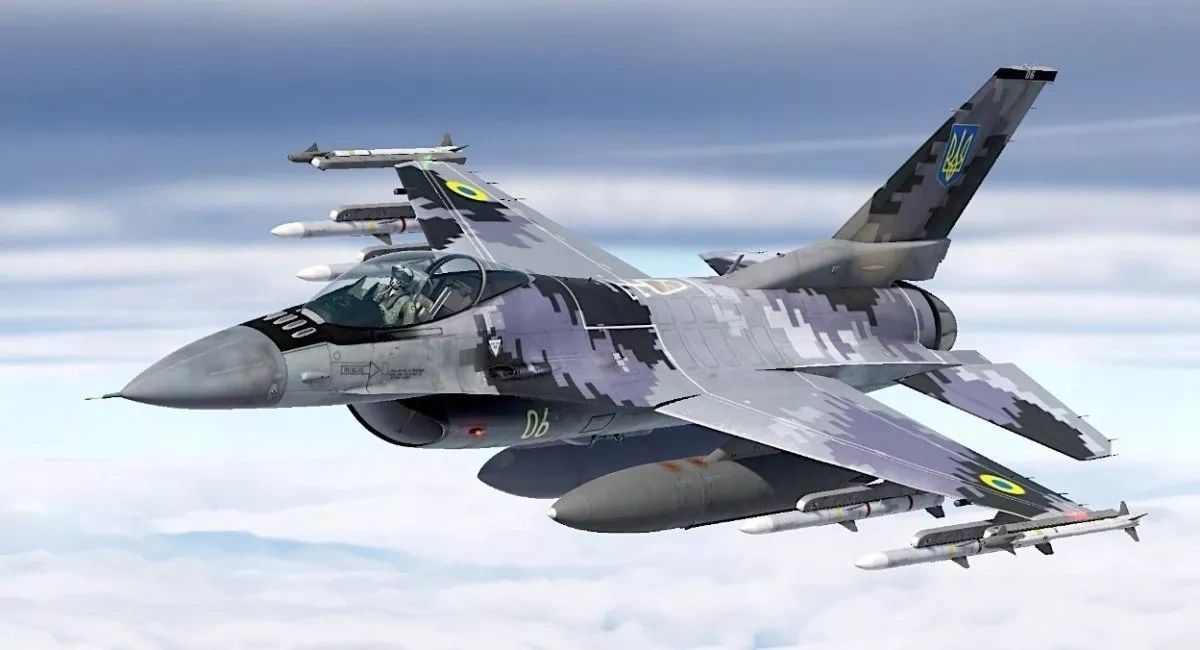
The scale of the destruction is enormous, and documenting every attack is virtually impossible. Russia can launch large-scale strikes within a single day, placing Ukraine’s already strained air-defence capabilities under growing pressure. The country is facing a serious shortage of interceptor missiles and lacks the funds needed to replenish its stocks. Ukrainian F-16 pilots are also reportedly facing shortages of air-to-air missiles and, when engaging jet-powered drones, are sometimes forced to rely on the fighters’ built-in cannons.
But there is another, less visible dimension to the war.
Russian strikes have destroyed warehouses, commercial facilities, factories, and businesses, leaving large numbers of Ukrainians without jobs. At the same time, as the country’s population continues to decline, banks, post offices, and other businesses have been forced to reduce their workforces. Ukraine is therefore facing a striking contradiction: many sectors are suffering from an acute labour shortage, yet people are simultaneously losing their jobs as businesses struggle to survive.
Small and medium-sized enterprises, retailers, banks, and service providers are being hit not only by falling consumer purchasing power and a shrinking customer base, but also by the relentless cycle of air-raid alerts. Whenever an alert is issued, normal life comes to a standstill: shopping malls, hypermarkets, supermarkets, post offices, and bank branches close their doors, sometimes repeatedly throughout the day.
The economic losses are enormous. So, too, is the psychological toll on a population forced to live under the constant threat of attack.
And how can people avoid stress when frequent air-raid alerts in Ukraine can make something as routine as ordering a taxi through apps such as Bolt and Uklon surprisingly difficult? During an air-raid alert, GPS-based navigation services may be restricted or disrupted, making it difficult for the app to accurately pinpoint the locations of passengers and drivers. As a result, passengers can end up waiting a long time for a car or having to call the driver and explain exactly where they are.
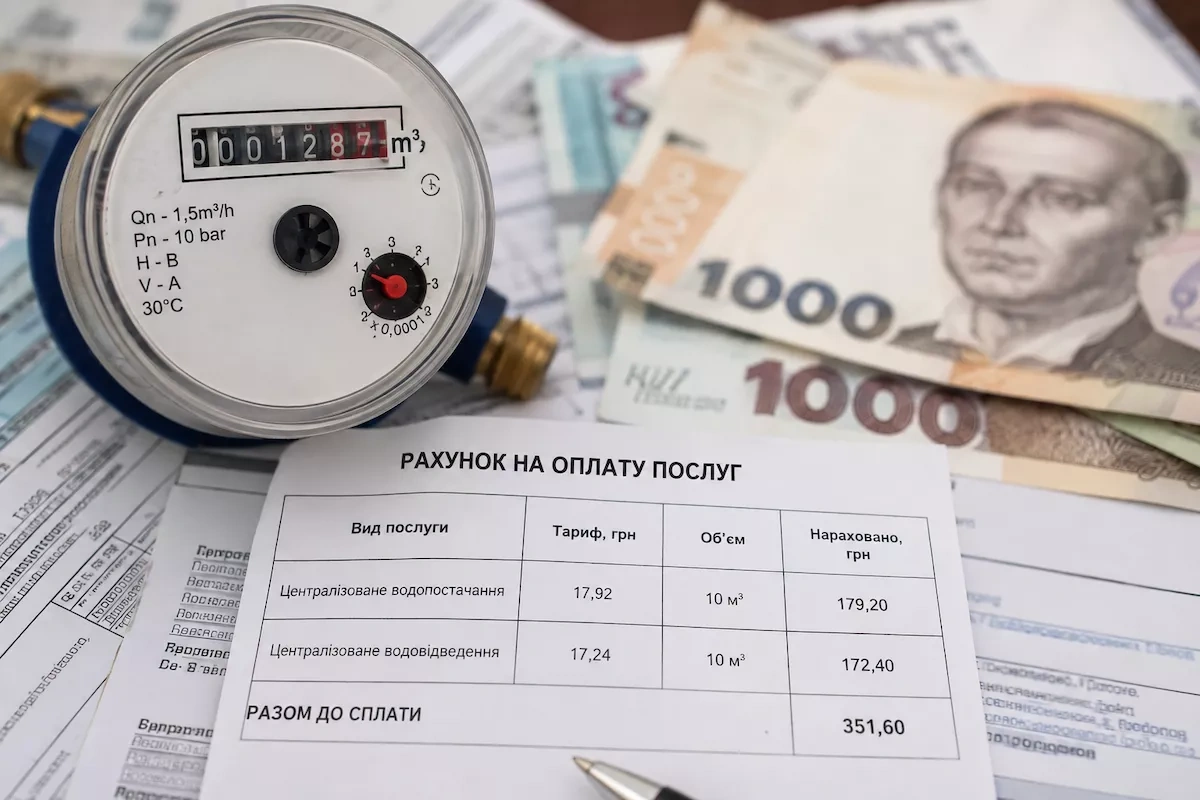
Against this backdrop, the Kyiv City Council voted to raise the tariff for water supply and wastewater services to UAH 63.79 per cubic metre (about $1.55). “The water supply sector is effectively on the verge of survival. We will not introduce economically justified tariffs for the population. But the water tariff — at a time when electricity tariffs, fuel prices and the cost of treatment chemicals have all increased — cannot remain at its previous level,” Kyiv Mayor Vitali Klitschko said.
The current combined tariff for water supply and wastewater services in Kyiv is UAH 30.38 per cubic metre (about $0.74). In other words, the cost will more than double.
It is worth recalling in this context that the main shareholder of Kyivvodokanal is Kyivenergoholding, which is owned by Artio Global Investors (London) and is officially registered as belonging to Andriy Mykolayovych Vingranovsky, the son-in-law of Serhiy Lyovochkin.
The same Lyovochkin, according to Ukrainian media reports, who arranged for his son-in-law to head Kyivgas as well. Vingranovsky has reportedly been “running” the company for the fifth consecutive year from Lyovochkin’s villa in Monaco.
So the additional profits generated by the Kyiv City Council’s decision will go to Vingranovsky and Lyovochkin. Clearly, the extent of Serhiy Lyovochkin’s influence in Ukraine is not merely paradoxical but genuinely shocking. A man who headed the Administration of President Viktor Yanukovych from 2010 to 2014 continues to remain a prominent figure in Ukrainian politics and business more than a decade after the Revolution of Dignity.
The result is a paradox: while the Ukrainian state is fighting for a European future, members of the political and financial elite from the Yanukovych era continue to have access to enormous economic resources. And this is no longer a question solely for Lyovochkin, but above all for the Ukrainian political system, which has allowed such networks to survive a change of government, a revolution, and a war.
But similar questions arise in another context as well. A key feature of Ukraine’s system is that electricity distribution networks are largely controlled by several major groups. The largest private player in electricity distribution is DTEK, whose ultimate beneficial owner is oligarch Rinat Akhmetov.
In other words, any new increase in electricity tariffs in Ukraine inevitably puts the country’s largest private energy group, Rinat Akhmetov’s DTEK, among the potential beneficiaries, given that it controls a significant share of the country’s power generation and electricity distribution networks. All of this looks particularly shocking when one recalls Rinat Akhmetov’s political past and his role in the power structure of the same Viktor Yanukovych.
For many years, Akhmetov was regarded as one of the most influential figures in the so-called “Donetsk group” and one of the key financial backers of Yanukovych’s political team. This naturally raises the question: why, years after the Revolution of Dignity, is a man associated with the former system of government still able to derive substantial economic benefits from decisions affecting a strategically important sector of the state’s economy? The question, however, is rhetorical. And it concerns not only Lyovochkin and Akhmetov. Ukrainian oligarchs, including those linked to fugitive former President Yanukovych, continue to make substantial profits in a country whose ordinary citizens are engaged in an extremely difficult daily struggle for survival.