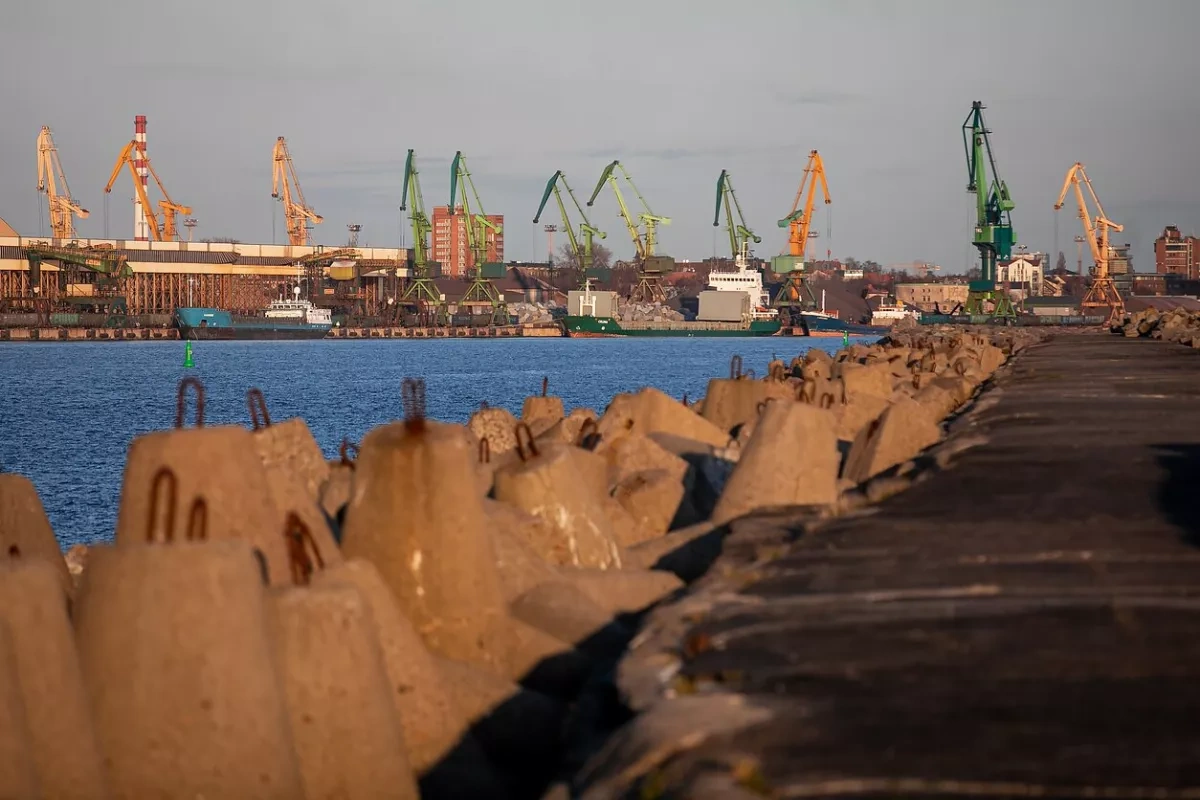
Lithuania is tightening inspections of Russian grain transiting through the port of Klaipėda amid concerns that some shipments declared as Russian could actually be Ukrainian grain transported through Russia.
Agriculture Minister Kęstutis Mažeika has ordered the State Food and Veterinary Service to inspect all food grain of Russian origin moving through Lithuania. Such checks had not previously been required, Caliber.Az reports, citing Lithuanian media.
Authorities have already taken samples from a shipment at a customs warehouse in Klaipėda and sent them to France for laboratory testing to verify its origin. The results are expected within two to three weeks.
A service spokeswoman said investigators were examining whether grain declared as Russian could have originated in Ukraine and been transported through Russia's Kaliningrad region. She said the investigation could involve both inaccurate declarations and the possible theft of Ukrainian grain.
Mažeika said Russia could be seeking to export Ukrainian grain through Latvian and Lithuanian ports. He said Ukraine had warned that Russia could try to move about 1.5 million tonnes of grain through Latvia, with some of the cargo already in Latvian ports.
Klaipėda port chief Algis Latakas said about 47,000 tonnes of grain declared as Russian had been handled at the port during the first eight months of the year. He said the cargo came from Kaliningrad and was mainly corn.
The grain is not currently subject to sanctions, meaning authorities have no legal basis to block it, Latakas said.
Transport Minister Juras Taminskas said Russian grain should not be exported through Lithuanian infrastructure while Russia's war against Ukraine continues, describing the practice as politically and morally unacceptable.
A spokesman for the Bega terminal denied that the Liberia-flagged vessel Donatello had carried Russian grain. He said 38,000 tonnes of wheat loaded by Bega were of Lithuanian origin and were accompanied by certificates.
The Lithuanian Association of Grain Processors and Traders has called for Russian grain transit to be blocked, saying Russian exporters are increasingly using Baltic ports as shipping through the Black Sea has become more difficult because of the war.
The association also called for tighter checks on the origin of grain, including whether it was produced in Ukrainian territories occupied by Russia.
By Aghakazim Guliyev