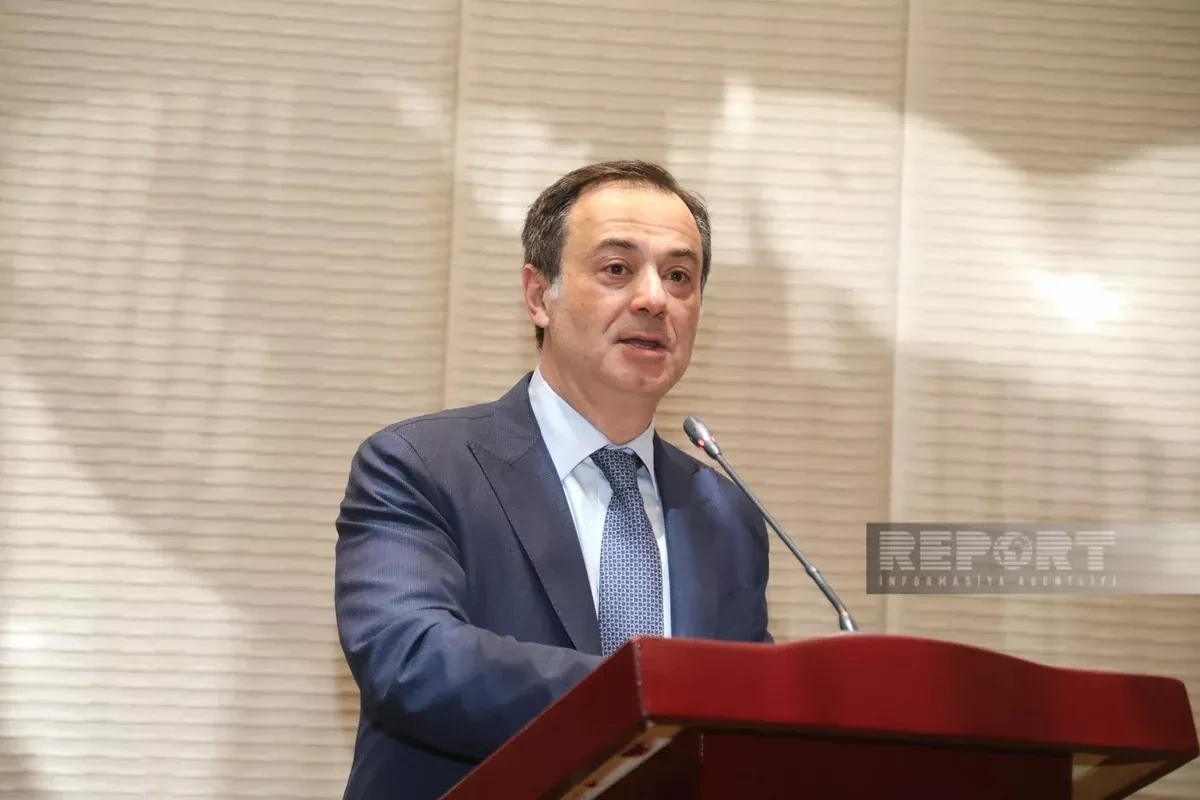
The South Caucasus has undergone a profound transformation over the past three decades, with the region’s long-standing conflict agenda increasingly giving way to peace, economic cooperation and enhanced transport connectivity, Azerbaijani diplomat Elshad Iskandarov said.
Speaking at a roundtable in Baku organized by the Centre for Analysis of International Relations and the LINKS Europe Foundation, Iskandarov, Azerbaijan’s Ambassador-at-Large at the Ministry of Foreign Affairs, highlighted the dramatic changes the region has experienced since the 1990s, Caliber.Az reports via local media.
He recalled that 30 years ago, Azerbaijani and Armenian representatives sat down for negotiations for the first time since the 1994 ceasefire, seeking to discuss a peaceful resolution to the conflict.
According to Iskandarov, the circumstances surrounding those early negotiations reflected the devastating consequences of the conflict. Roads were mined, infrastructure and settlements along the routes had been destroyed, and the conflict remained the dominant factor shaping political and social developments across the South Caucasus.
“Thirty years later, the picture has changed dramatically. Conflict is no longer the norm, as was noted here. A peace agenda now dominates, including a new stage of public and people-to-people diplomacy and civil society meetings,” Iskandarov said.
He stressed that the region’s emerging peace agenda is no longer merely aspirational, but is supported by formal frameworks and a roadmap.
The diplomat also pointed to growing economic ties, efforts to restore and develop regional transport links, and the political will of regional leaders as key factors underpinning the shift toward peace and cooperation.
By Vafa Guliyeva