BAKU, Azerbaijan, September 3. Azerbaijan
Railways Joint Stock Company has prepared Initial Environmental
Examination for the Baku Metro Signaling Modernization and
Operations Digitalization Project for the Asian Development
Bank.
The document says that the Baku Metro Signaling Modernization
and Operations Digitalization Project is a strategic infrastructure
modernization project aimed at improving the safety, reliability,
capacity, operational efficiency, and long-term sustainability of
the Baku Metro system. The project will replace the existing legacy
signaling and control systems with a modern communicationsbased
train control system and associated digital platforms. It will also
upgrade wayside and onboard equipment, improve operational control
through centralized digital systems, and support better monitoring,
diagnostics, maintenance planning, and passenger information.
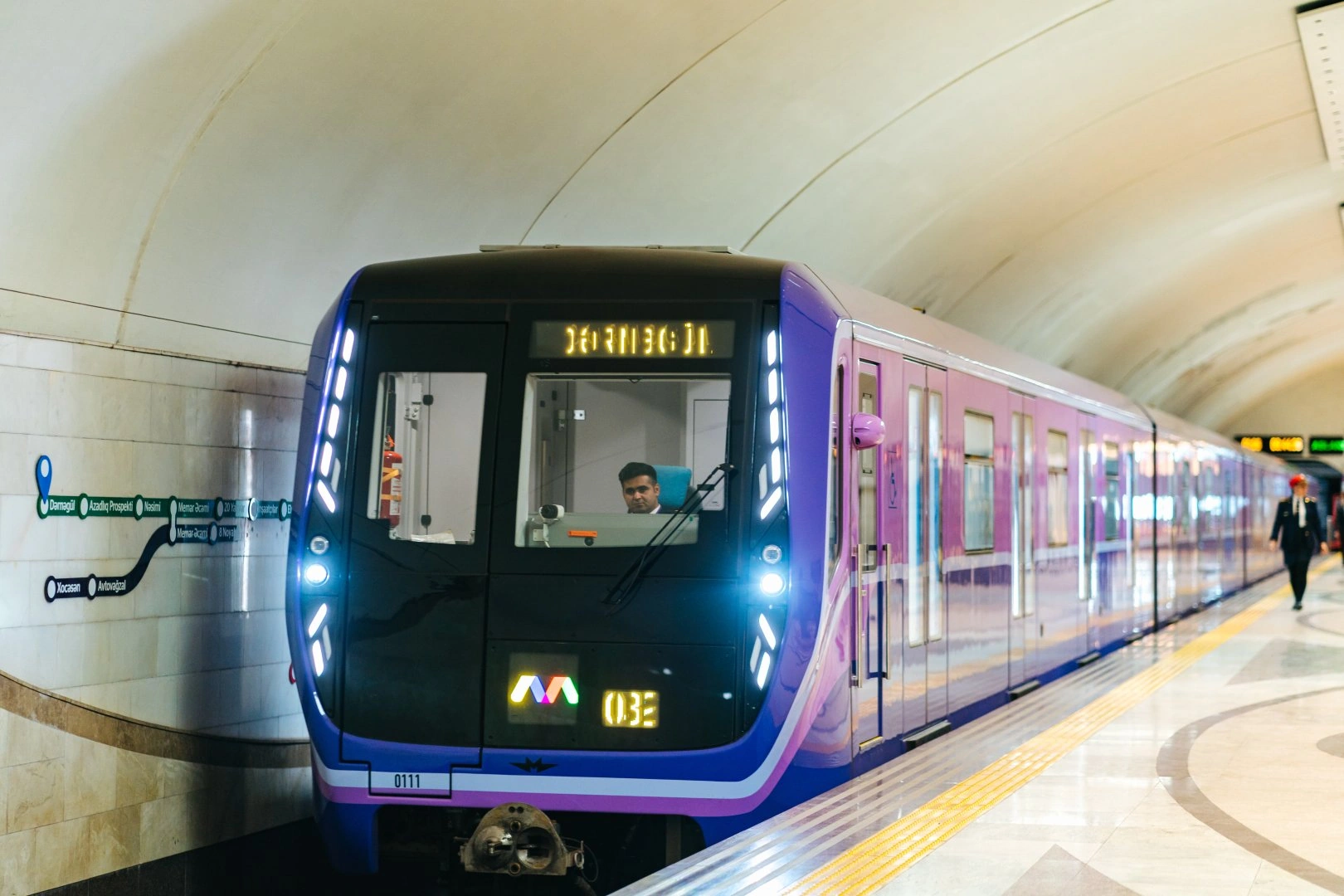
The project will be implemented within the existing Baku Metro
infrastructure, including tunnels, stations, depots, substations,
technical rooms, control facilities, cable routes, and rolling
stock. No new metro lines, new stations, major excavation works, or
expansion outside the existing metro footprint are planned. The
works will mainly involve installation of new signaling and
communication equipment, replacement of outdated electrical and
control components, integration of new digital systems, testing and
commissioning, and eventual dismantling of obsolete legacy
infrastructure.
“The project will be implemented in three main phases. The first
phase will include design finalization, procurement, factory
acceptance testing, installation of wayside and onboard equipment,
system integration, pilot operation, and progressive rollout across
the network. The second phase will consist of a stabilization and
parallel operation period, during which the new system and the
existing legacy system will operate simultaneously for
approximately 6–12 months to verify safety, reliability, and
operational readiness. The third phase will involve structured
decommissioning of the existing system, including system
deactivation, safety verification, pilot dismantling, full removal
of obsolete equipment, material management, and final
documentation,” reads the document.
The environmental impacts of the Baku Metro Signaling
Modernization and Operations Digitalization Project are expected to
be mainly site-specific, temporary, and manageable through the
implementation of the Environmental Management Plan. The project
will be carried out within the existing Baku Metro footprint,
including tunnels, stations, depots, technical rooms, substations,
control facilities, cable routes, and rolling stock areas. It does
not include new metro lines, new stations, major excavation works,
expansion into natural habitats, or works in protected areas.
Therefore, the project is not expected to cause large-scale or
irreversible environmental impacts.
“The main environmental risks are associated with the
implementation of works in a live underground metro environment and
with the removal of legacy electrical and signaling equipment.
Installation works may generate localized dust, fumes, odors, heat,
noise, and minor waste, especially during drilling, fixing, cable
routing, cleaning of cable ducts, and works in technical rooms.
Since many activities will be carried out in enclosed underground
areas with limited natural ventilation, indoor air quality and
worker exposure are more important issues than outdoor ambient air
pollution. These impacts can be controlled through ventilation,
housekeeping, dust suppression, permit-to-work procedures, and use
of appropriate personal protective equipment,” the document
says.
Reportedly, waste management is one of the most significant
environmental issues for the project, particularly during the
decommissioning phase. Potential impacts on groundwater and
drainage are also relevant because groundwater inflow is an
existing operational condition in parts of the Baku Metro system.
Impacts on soils, geology, biodiversity, and protected areas are
expected to be low. Cultural heritage impacts require specific
attention, although significant impacts are not expected if
mitigation measures are applied. Overall, the project is expected
to have important long-term positive environmental and operational
impacts.
The document says that mitigation measures for the Baku Metro
Signaling Modernization and Operations Digitalization Project are
based on the principle of avoiding impacts where possible, reducing
risks at source, and managing residual impacts through
site-specific procedures, monitoring, supervision, and corrective
actions.