US Energy Secretary Chris Wright has said deals expected to be signed by oil companies in Venezuela could more than double the country's crude production over the next few years.
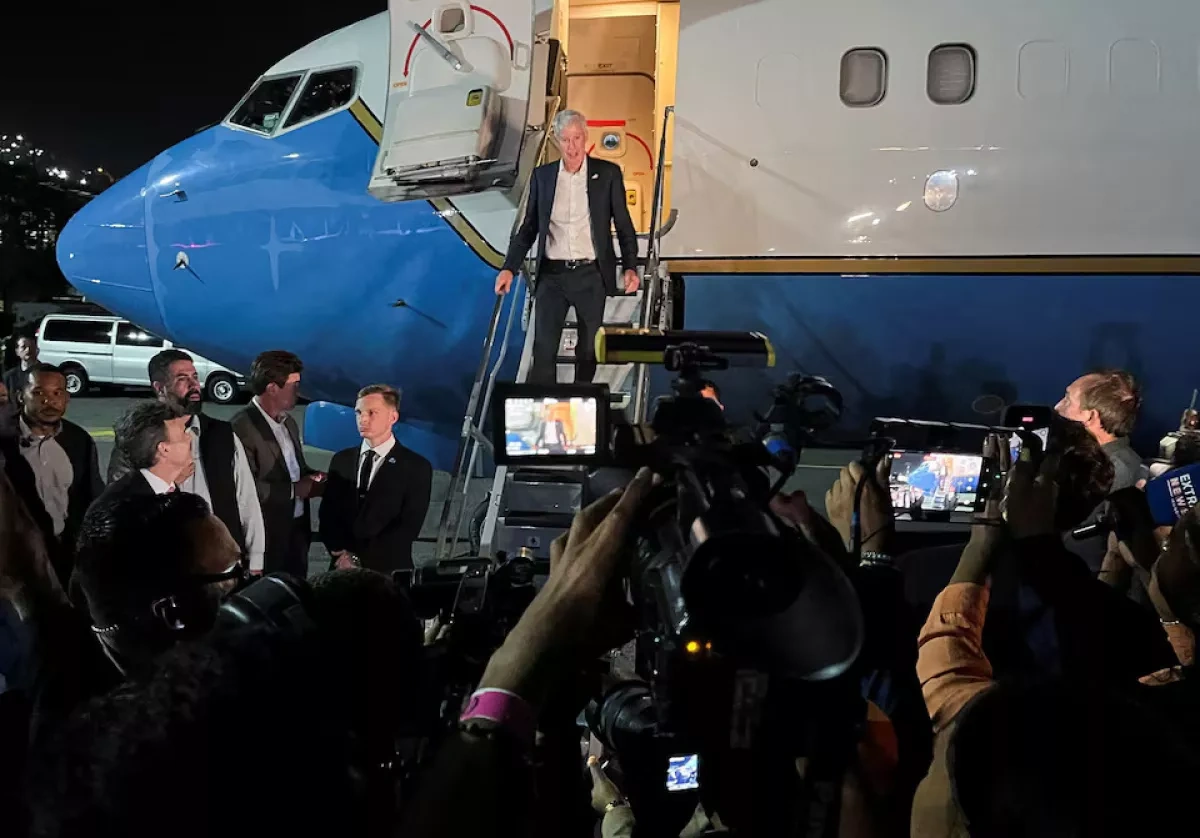
Wright made the comments on September 1 after arriving in Venezuela on a one-day visit. He said current Venezuelan oil production was above 1 million barrels a day, compared with more than 3 million barrels a day at its peak in the late 1990s, Caliber.Az reports, citing foreign media.
Production later fell sharply amid a lack of investment, mismanagement and US sanctions. In recent months, output has been estimated at between 1.1 million and 1.2 million barrels a day, according to Reuters.
"The investment in these deals will massively grow available oil production, which will give downward pressure on oil prices, but the biggest kink right now in gasoline and diesel prices is refining capacity," Wright told reporters.
US oil producer Chevron, Italy's Eni, India's ONGC, Colombia's GeoPark and US company GE Vernova are expected to sign agreements on energy projects in Venezuela this week.
Wright's visit comes days after US President Donald Trump announced a separate agreement granting US-backed company North American Blue Energy Partners a 100-year lease covering 17 Venezuelan oilfields.
The fields hold about 65 billion barrels of oil reserves, according to the terms of the agreement released by the White House.
The deal has raised concerns among some oil companies considering investment in Venezuela because it was arranged by Washington and Caracas without a competitive process and involves Venezuelan businessman Alejandro Betancourt.
A US official, speaking anonymously, said many of the oilfields covered by the agreement had until recently been controlled by China and Russia.
"Obviously we maintain a very robust bilateral relationship with China and I don't think that ... this is anything they weren't expecting," the official said.
China's Foreign Ministry said its cooperation with Venezuela was protected by international law and that its interests in the country must be guaranteed.
Wright also said 17 million barrels of oil had passed through the Strait of Hormuz on August 31, the highest level of crude oil traffic through the waterway since the US-Israeli war on Iran reduced flows.
By Aghakazim Guliyev