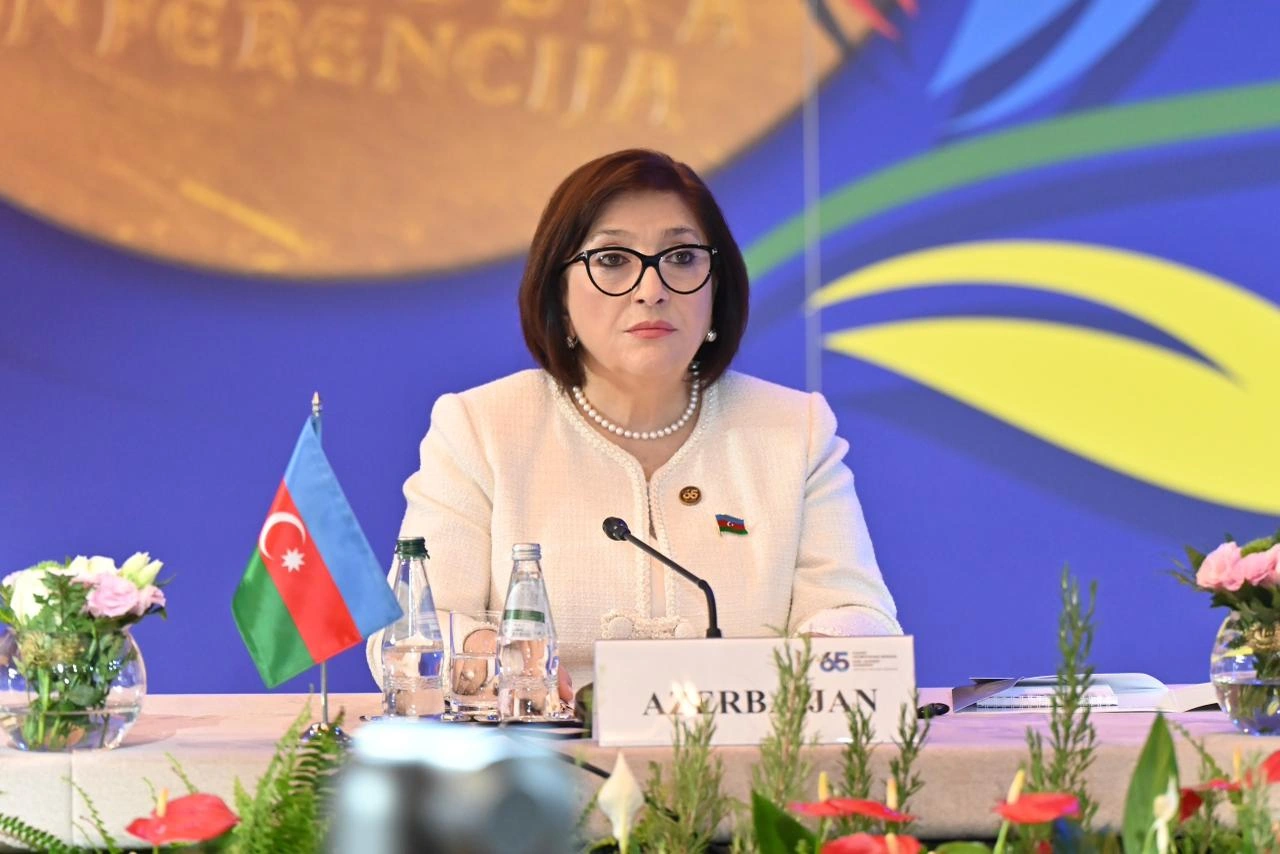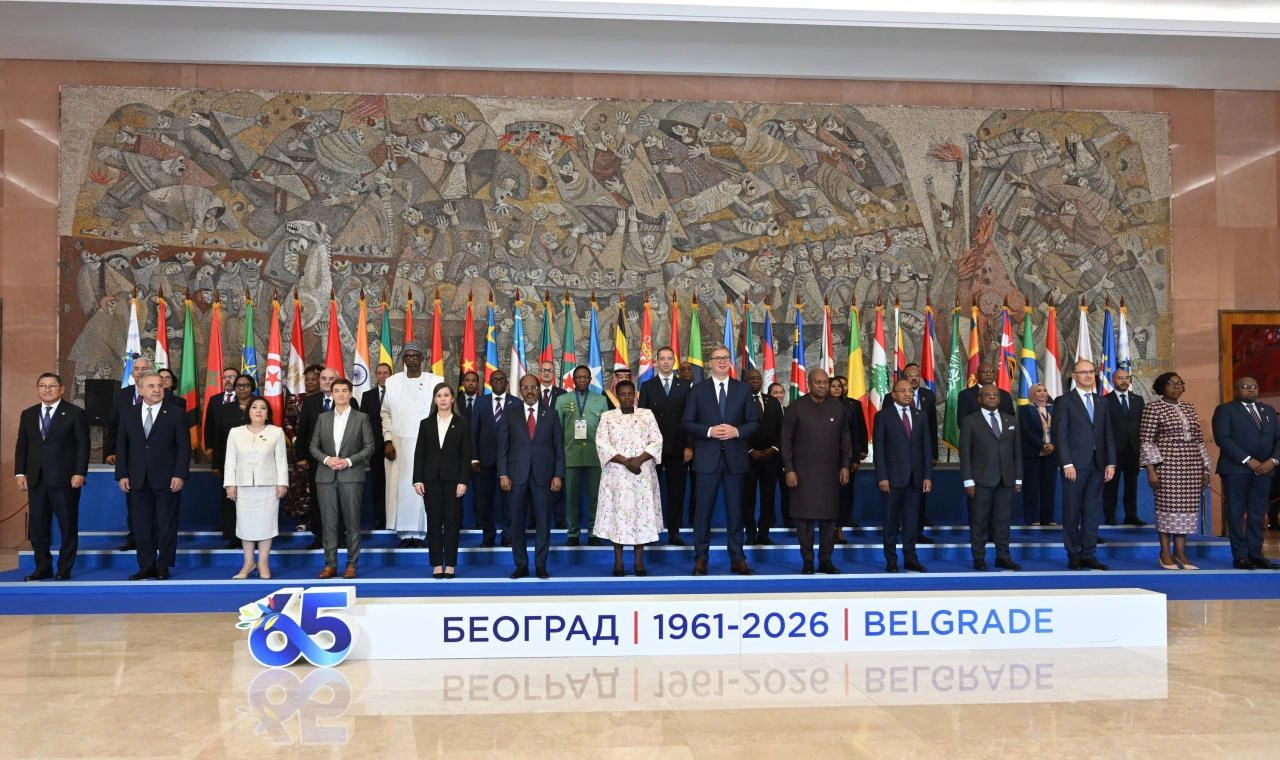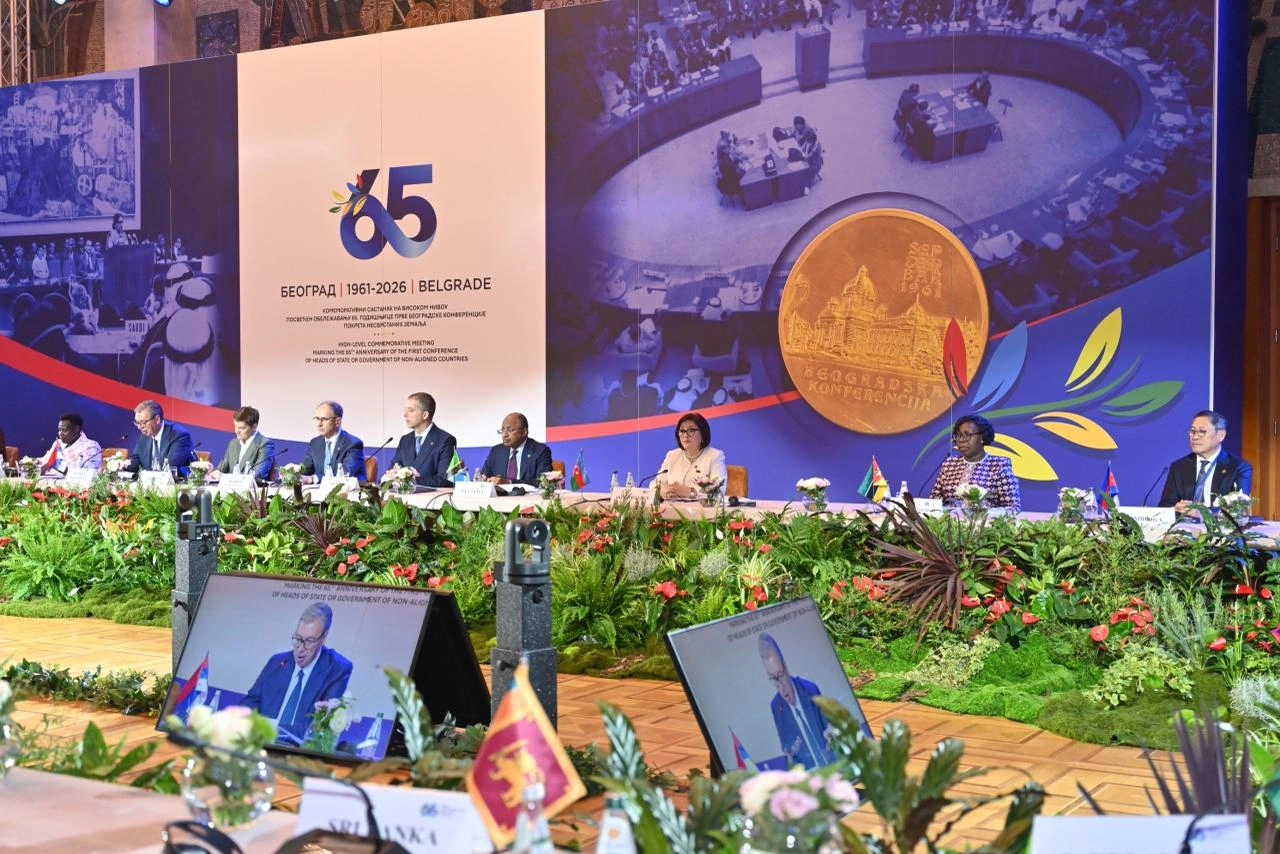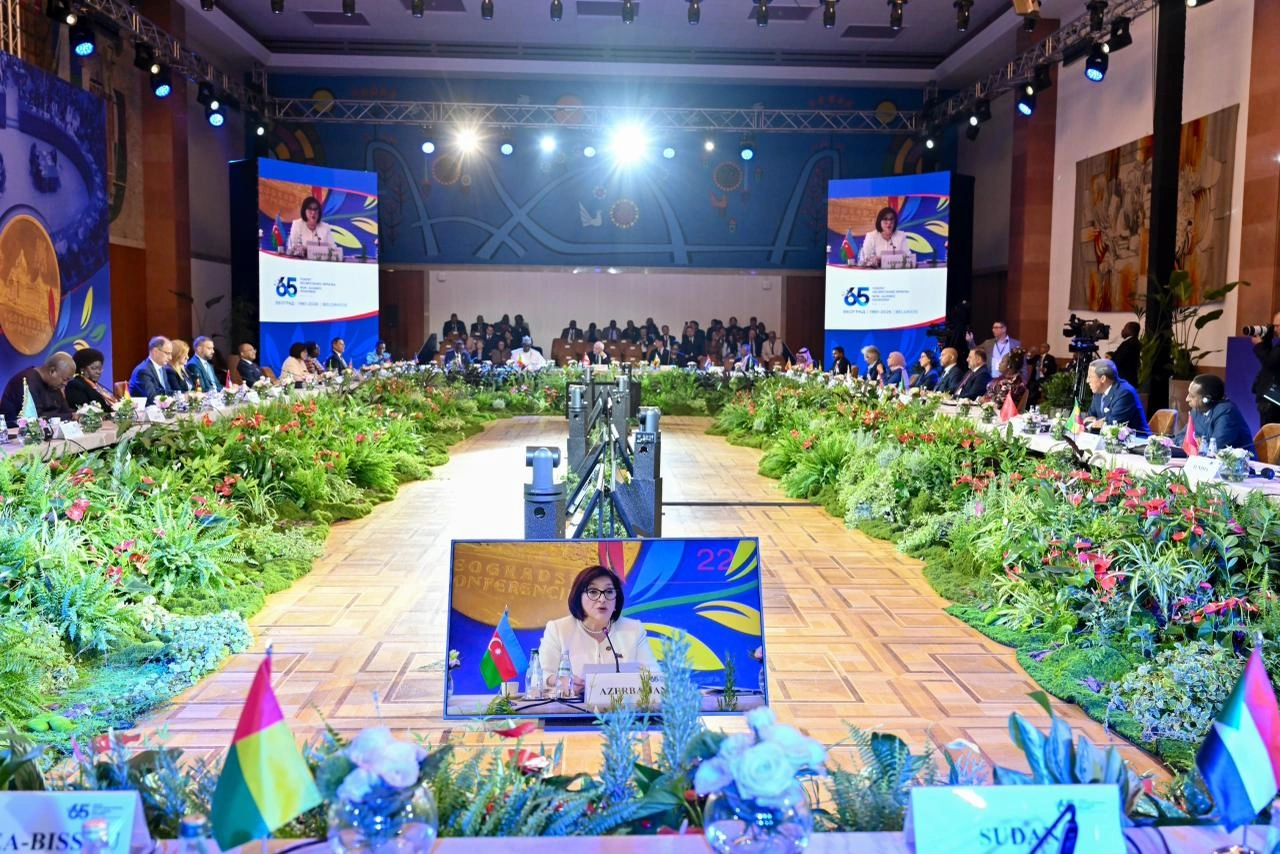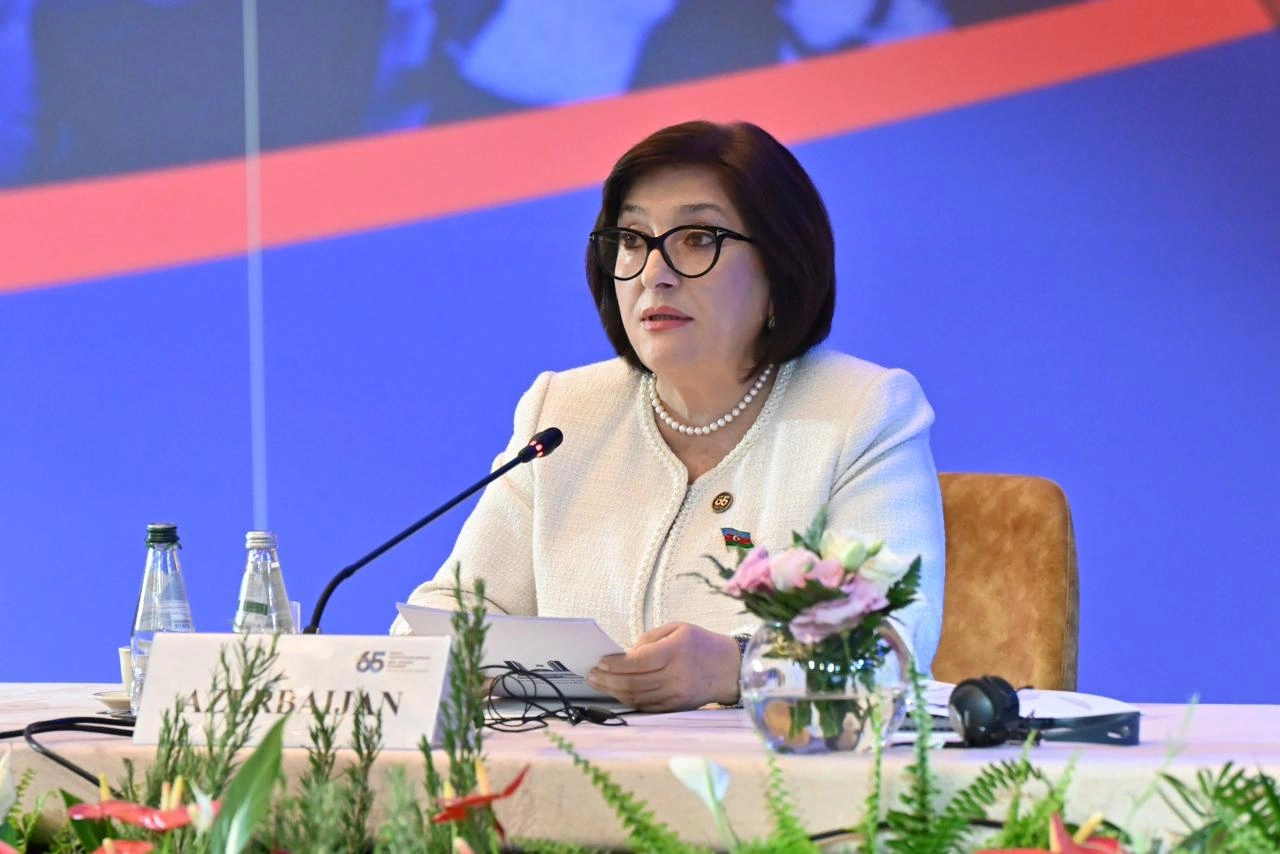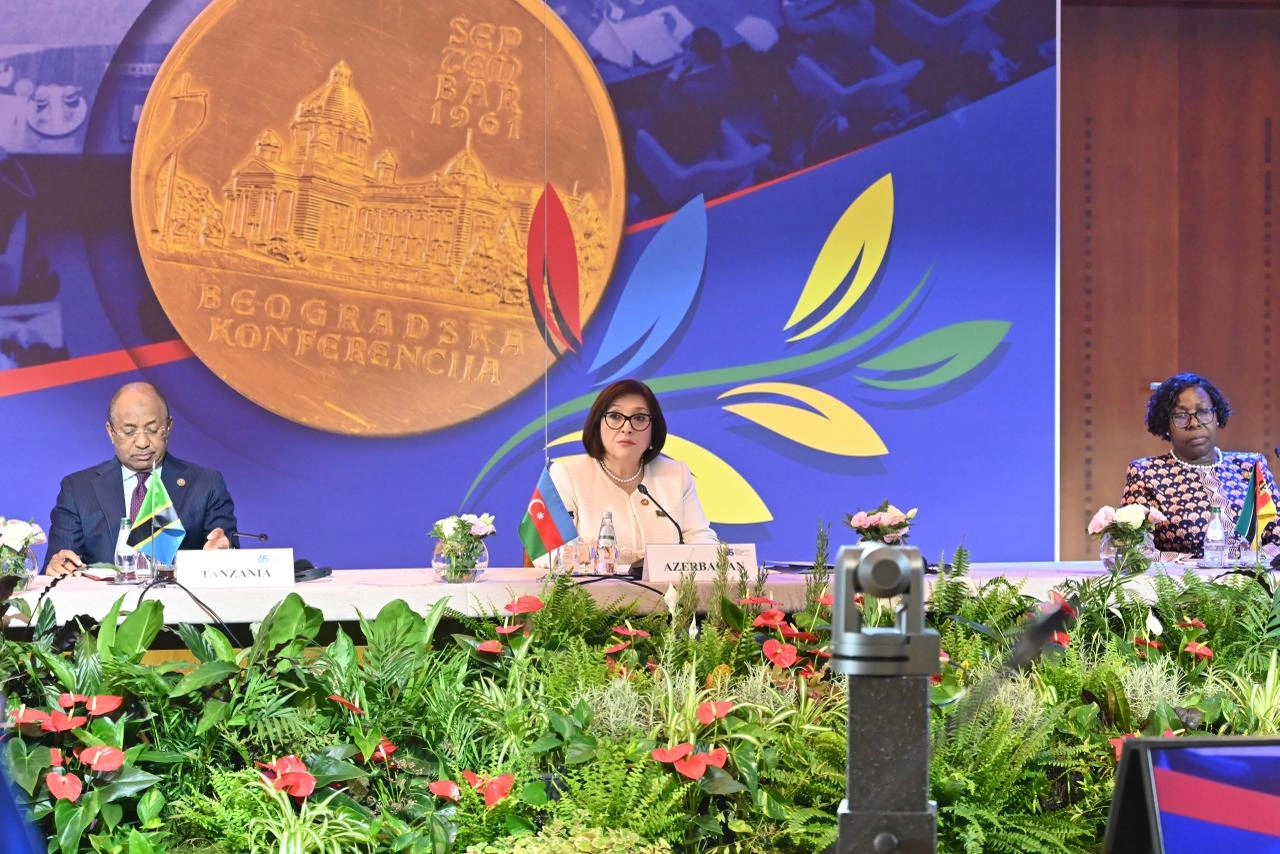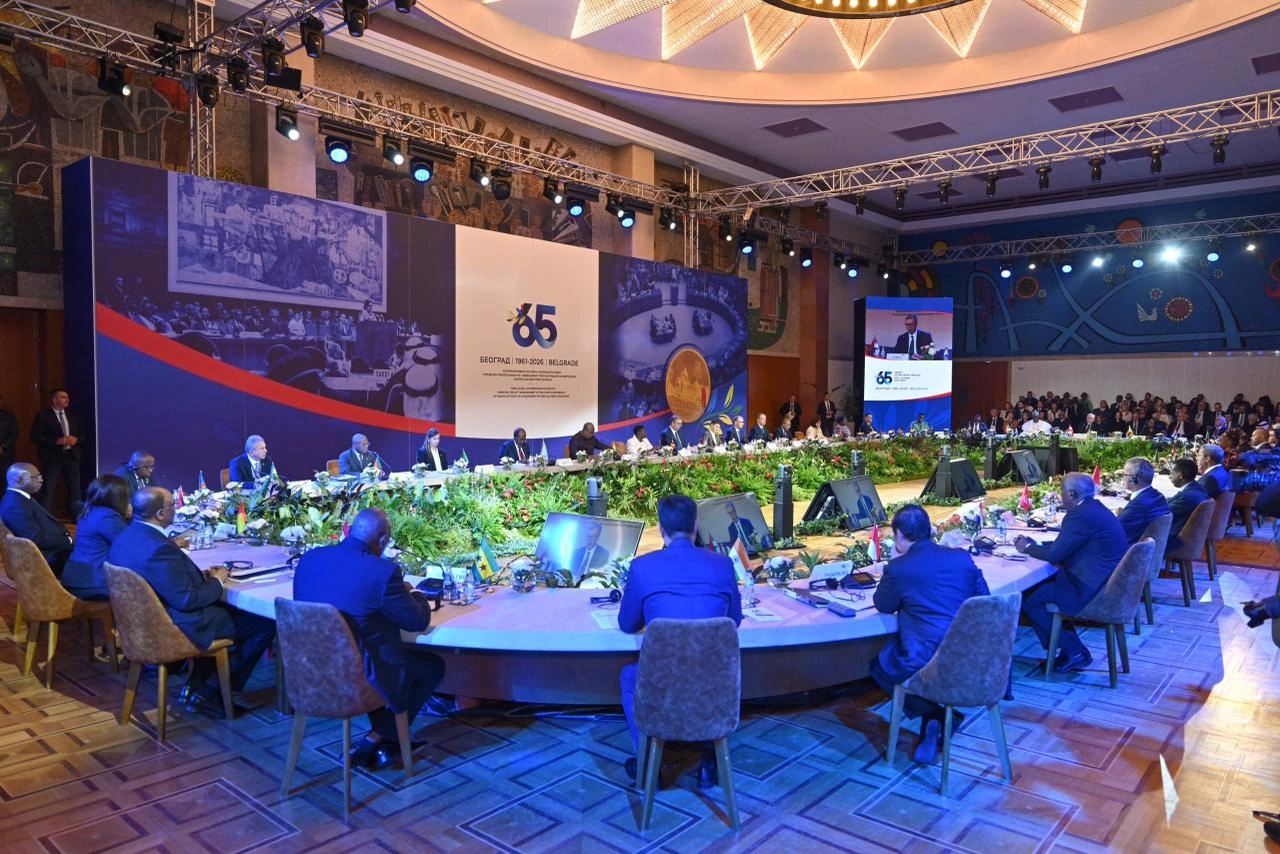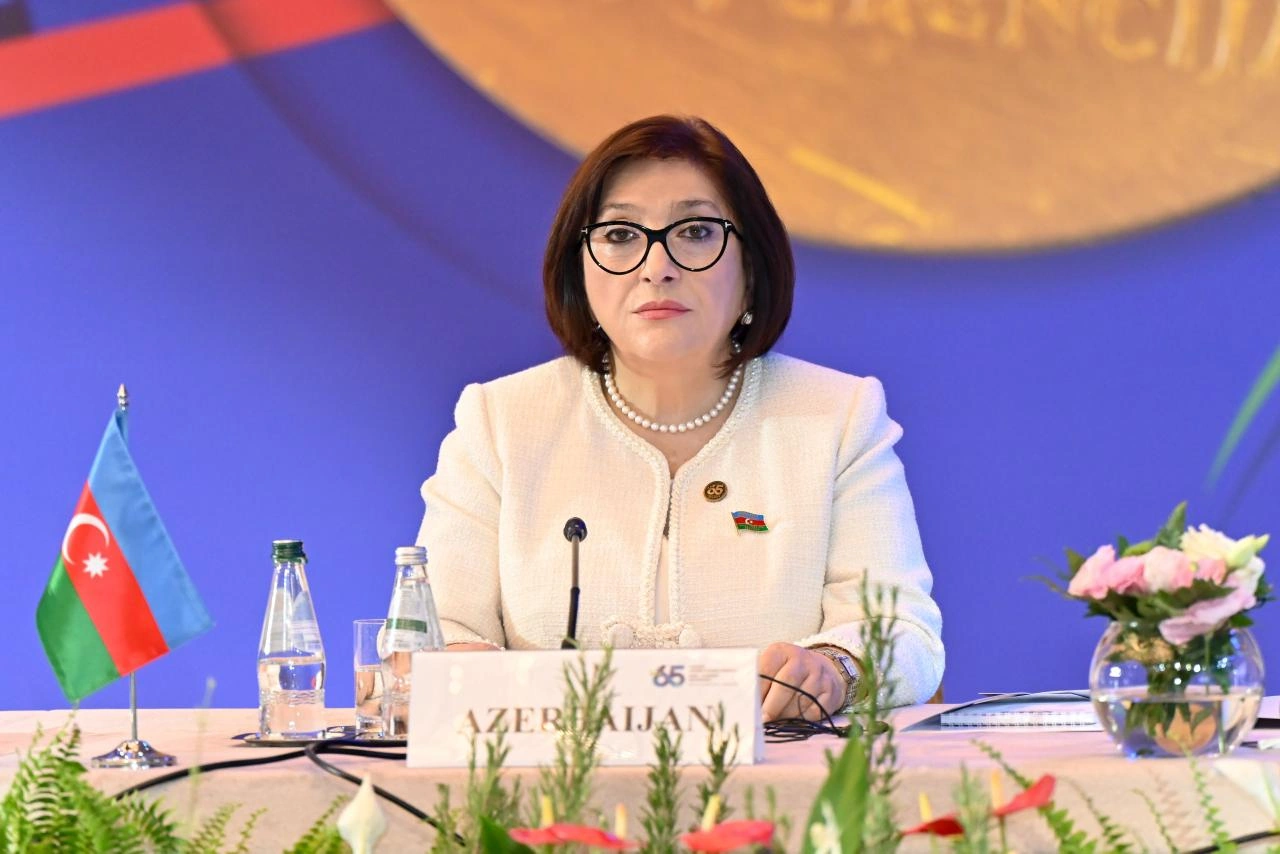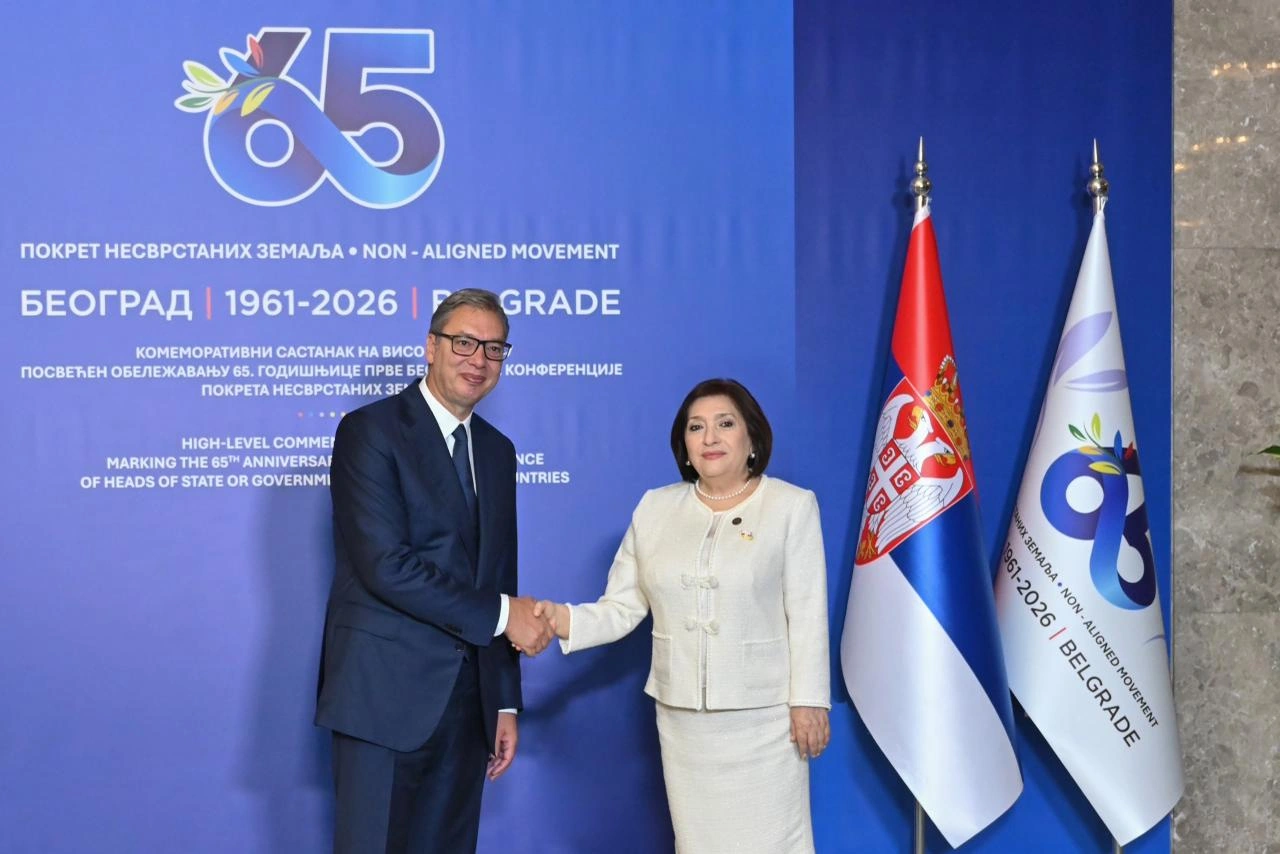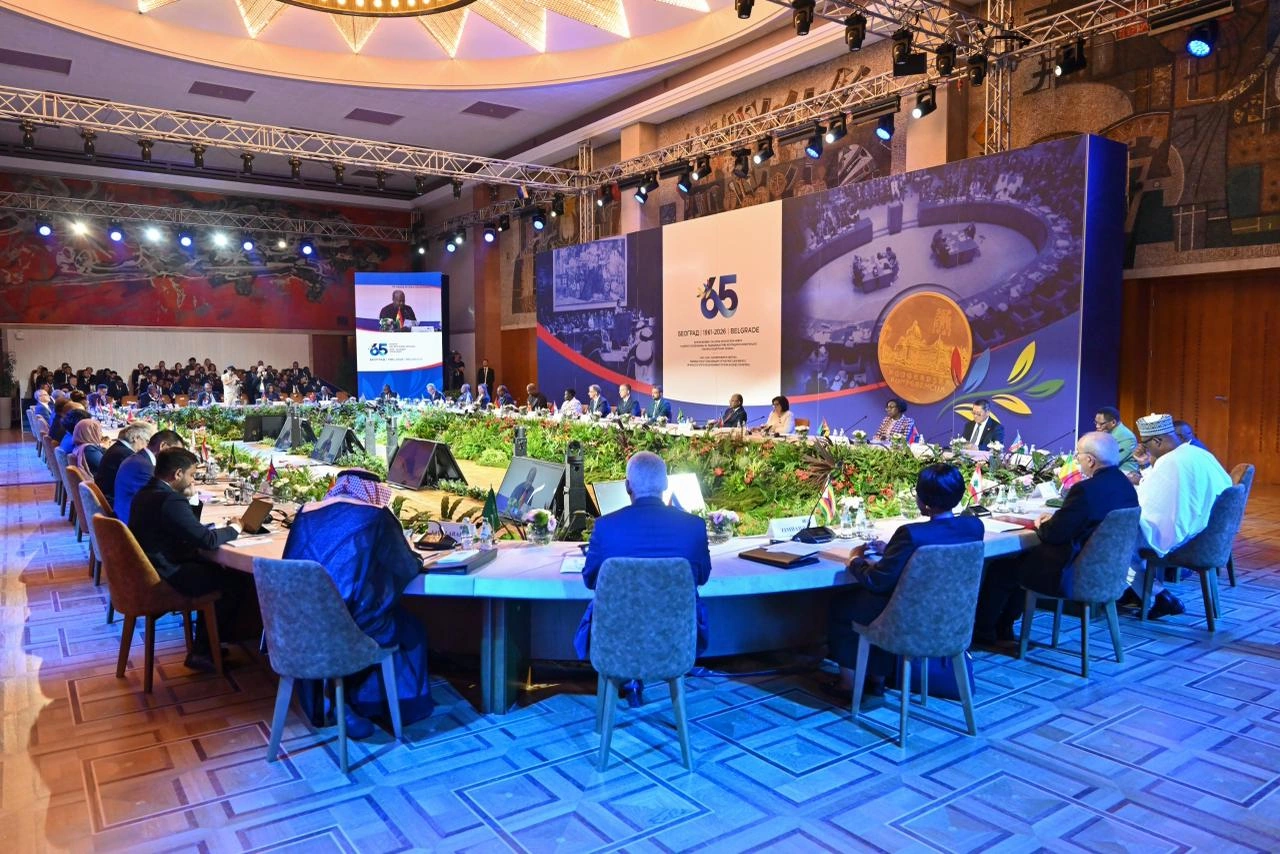
BAKU, Azerbaijan, September 1. Sahiba Gafarova,
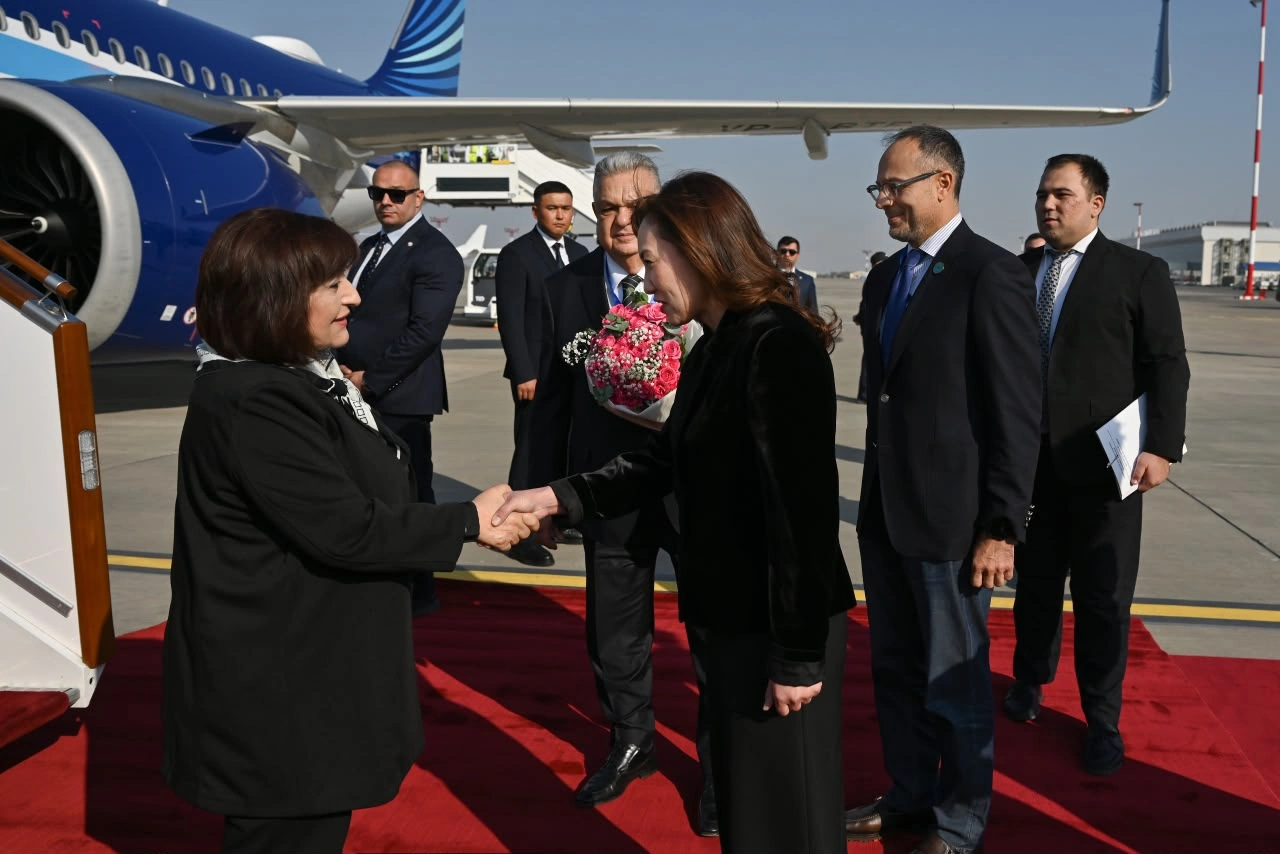
Speaker of the Azerbaijani Parliament, is on a working visit to
Serbia to participate in a high-level ceremony marking the 65th
anniversary of the First Conference of Heads of State and
Government of the Non-Aligned Movement.
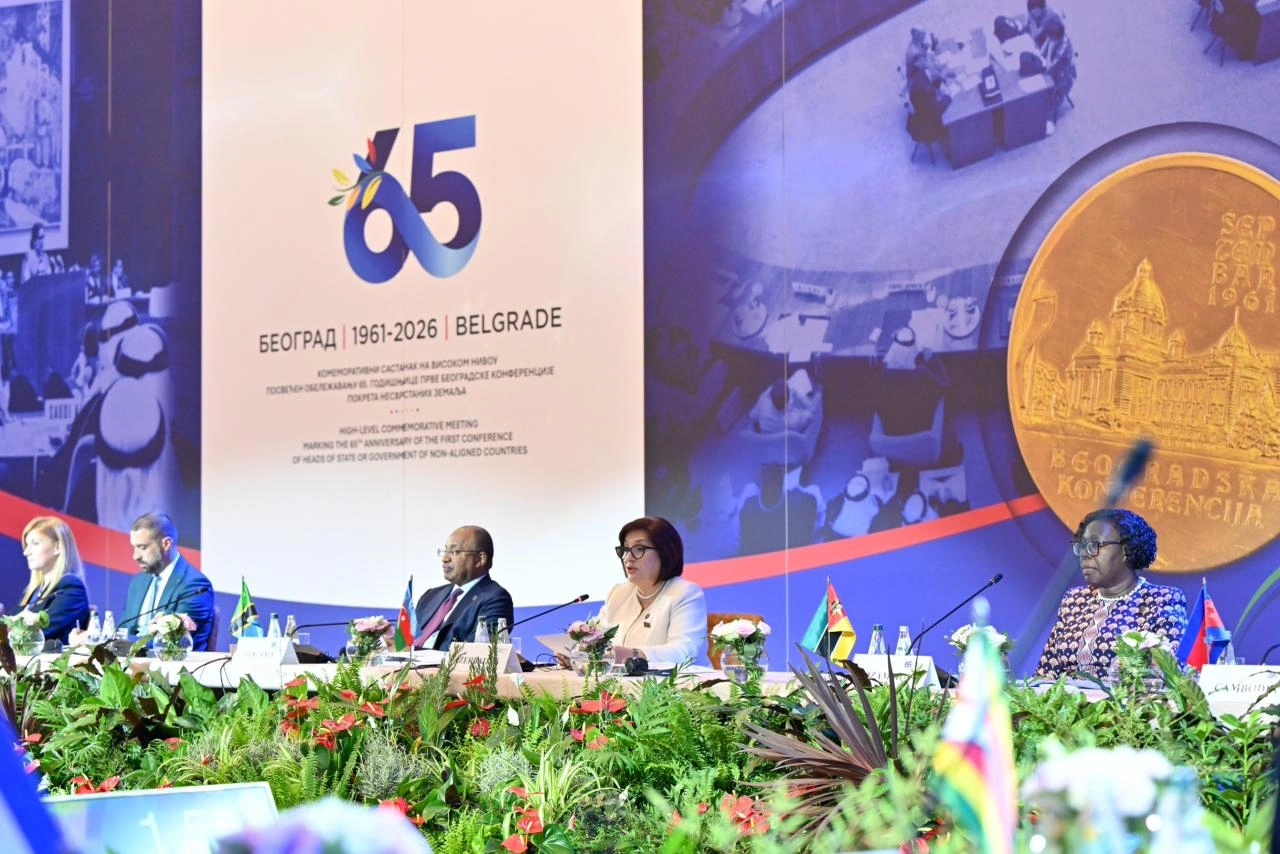
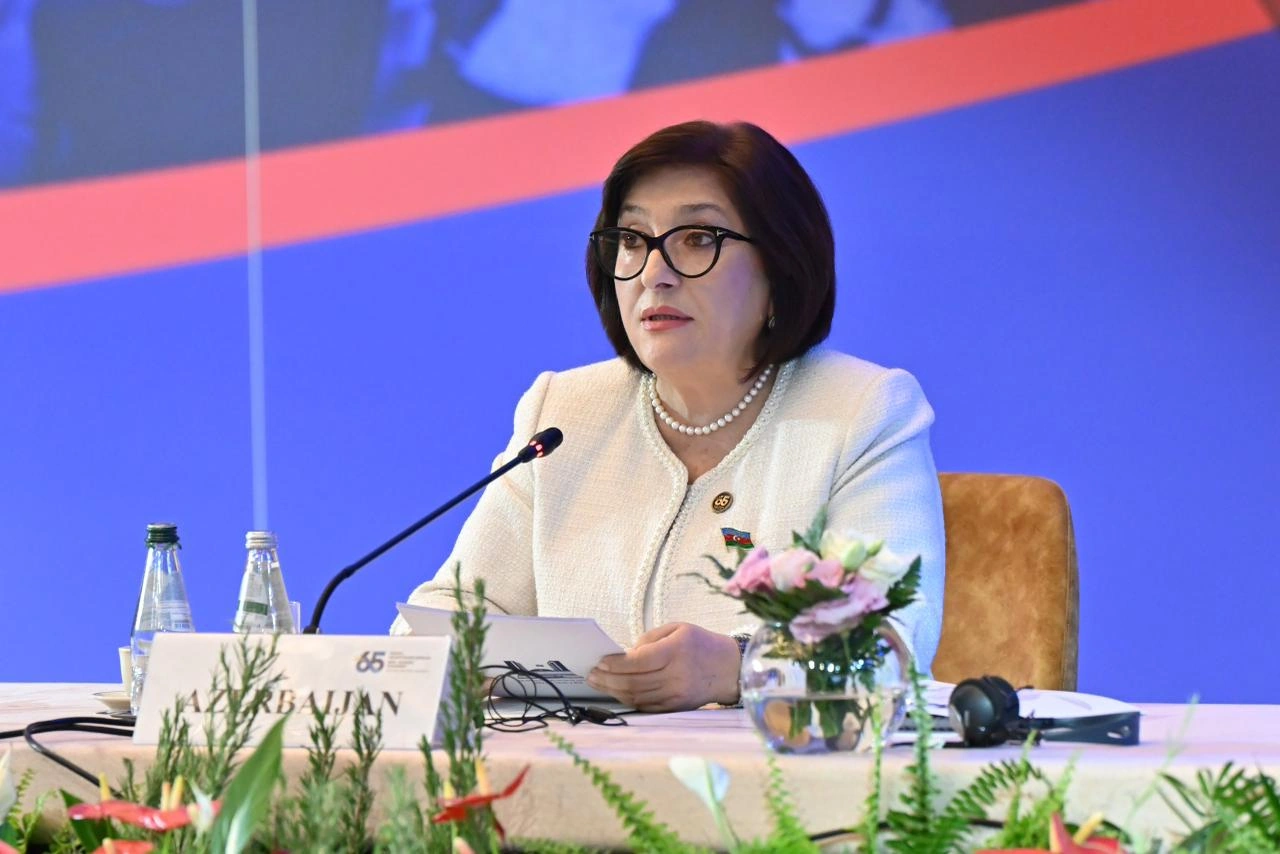
According to information released by the Parliament’s press
service, the Speaker delivered a speech at the event as part of her
visit.
At the beginning of her speech, the Speaker conveyed greetings
from the President of the Republic of Azerbaijan, Ilham Aliyev, on
the occasion of this significant event.
The Speaker then noted that 65 years ago, the Non-Aligned
Movement brought together several states around common goals, such
as the protection of their independence, sovereignty, and the right
to determine their own future. Since the organization’s inception,
the system of international relations has undergone significant
changes. However, the principles of respect for the sovereignty,
territorial integrity, and equality of states; non-interference in
internal affairs; justice; peaceful coexistence; and fulfillment of
international obligations, which form the foundation of the
Movement, remain of great importance for ensuring stability and a
just world order in the system of international relations.
The Speaker of Parliament noted that over the past 65 years, the
Non-Aligned Movement has become an important platform for advancing
the common interests and goals of its member states, as well as for
making a collective contribution to addressing global
challenges.
She noted that the fundamental principles of the Non-Aligned
Movement are fully consistent with the guiding principles of
Azerbaijan’s foreign policy, and these principles also guided
Azerbaijan’s chairmanship of the Movement from 2019 to 2024.
The Speaker of Parliament noted that at the 18th Summit of the
Non-Aligned Movement, held in Baku in 2019, President Ilham Aliyev
reaffirmed Azerbaijan’s commitment to the Bandung Principles,
international law, and justice, as well as its commitment to
strengthening the unity, solidarity, and international standing of
the Movement.
Gafarova noted that during Azerbaijan’s chairmanship, special
attention was paid to strengthening solidarity and cooperation
among the Movement’s member states; an initiative was put forward
to hold high-level meetings between the Non-Aligned Movement and
the United Nations, and a contribution was made to shaping a
coordinated international response to the COVID-19 pandemic and its
consequences. It was noted that Azerbaijan provided financial and
humanitarian assistance to more than 80 countries, as well as
technical support and educational grants. The speaker also noted
that special attention was paid to the institutional development of
the Movement and to broadening its participation across different
generations and institutions.
She also highlighted the establishment in 2022 of the
Non-Aligned Movement Youth Organization, headquartered in Baku. It
was noted that the expansion of the Organization’s activities
enables young people to play a more active role in promoting the
Movement’s values and goals.
The Speaker of the Azerbaijani Parliament also highlighted the
activities of the Non-Aligned Movement Parliamentary Network. She
noted that the activities of the Parliamentary Network, established
in 2021, have significantly expanded over the past period: five
conferences have been held, important institutional decisions have
been adopted, and the Network’s headquarters has been established
in Baku.
The speaker stated that today the Network brings together the
parliaments of 71 countries that are members of the Non-Aligned
Movement. This reflects the determination of our parliaments to
promote the implementation of the Bandung Principles and to advance
dialogue, peace, justice, and sustainable development through
parliamentary diplomacy.
In closing her remarks, Parliament Speaker Sahiba Gafarova
stated that the main tasks facing the Non-Aligned Movement are to
preserve its unity and solidarity, strengthen its international
voice, and increase its contribution to peace, sustainable
development, and a more just and equitable world order.