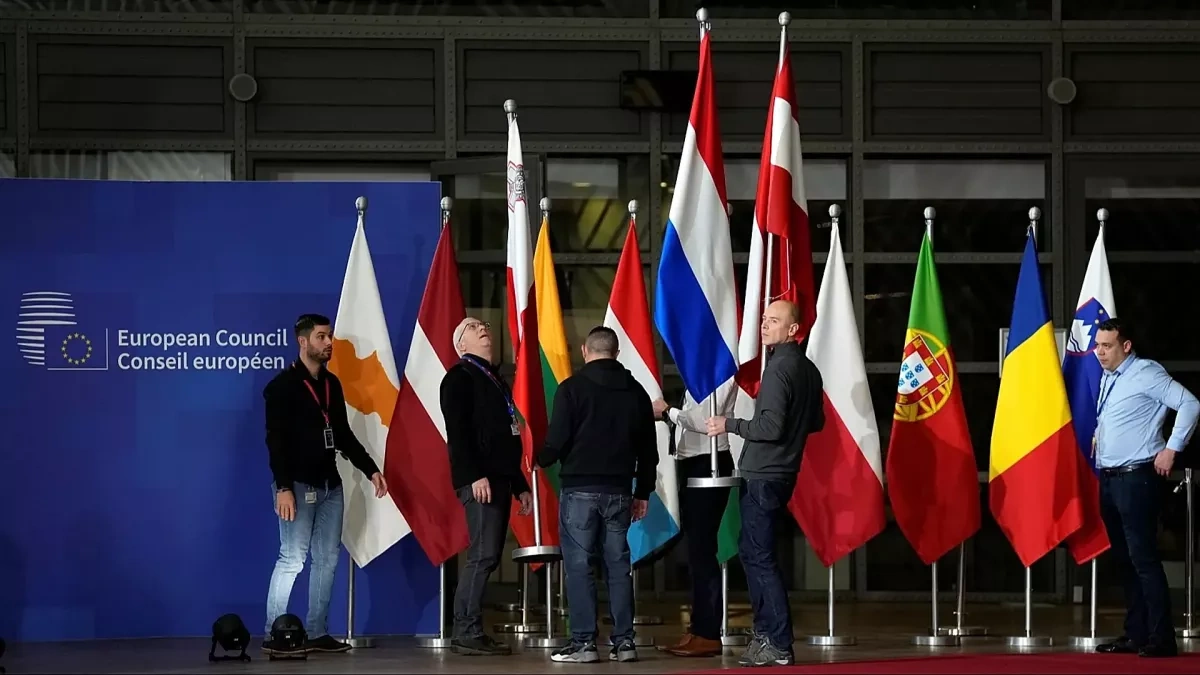
Eleven European Union countries have called for reforms to the bloc’s foreign policy decision-making system, arguing that national vetoes can prevent the EU from taking effective action.
Austria, Denmark, Belgium, Finland, France, Germany, Luxembourg, the Netherlands, Romania, Spain and Sweden are backing moves to explore a shift from unanimity to qualified majority voting in foreign policy, according to Euronews.
In a joint letter to EU foreign policy chief Kaja Kallas, the countries said consensus remained important but should not prevent the bloc from acting collectively.
Under current EU rules, foreign policy decisions require the unanimous support of all 27 member states, allowing a single country to block an initiative.
The signatories said the EU faced a changing international environment marked by strategic competition, instability and challenges to the rules-based international order.
Push for qualified majority voting
The 11 countries proposed five principles, including greater use of constructive abstentions, avoiding links between foreign policy decisions and unrelated issues, and exploring treaty provisions that could allow a move towards qualified majority voting.
They also called for countries to provide “substantiated vital reasons” when seeking to block such a change.
The proposal reflects longstanding debate in Brussels over the so-called “passerelle clause”, which could allow qualified majority voting to be introduced in some areas without formally changing the EU treaties.
Supporters argue that the change would make decision-making faster and prevent individual governments from repeatedly blocking common foreign policy measures. Opponents, however, say abandoning unanimity could weaken the democratic legitimacy of EU decisions and reduce the ability of smaller member states to protect their interests.
None of the three Baltic states signed the letter.
The debate has gained momentum following the defeat of former Hungarian Prime Minister Viktor Orbán, who repeatedly used Hungary’s veto to seek concessions during his 16 years in power.
Earlier this year, Orbán blocked a €90 billion EU loan for Ukraine over a separate dispute involving the Druzhba oil pipeline, before the veto was eventually lifted.
By Aghakazim Guliyev