BAKU, Azerbaijan, August 12. The modernization
of Kyrgyzstan's Uch-Kurgan Hydropower Plant will be completed by
the end of 2026, increasing its installed capacity from 198 up to
216 MW.
This was announced in a statement by the press service of the
Kyrgyz Ministry of Energy on August 12.
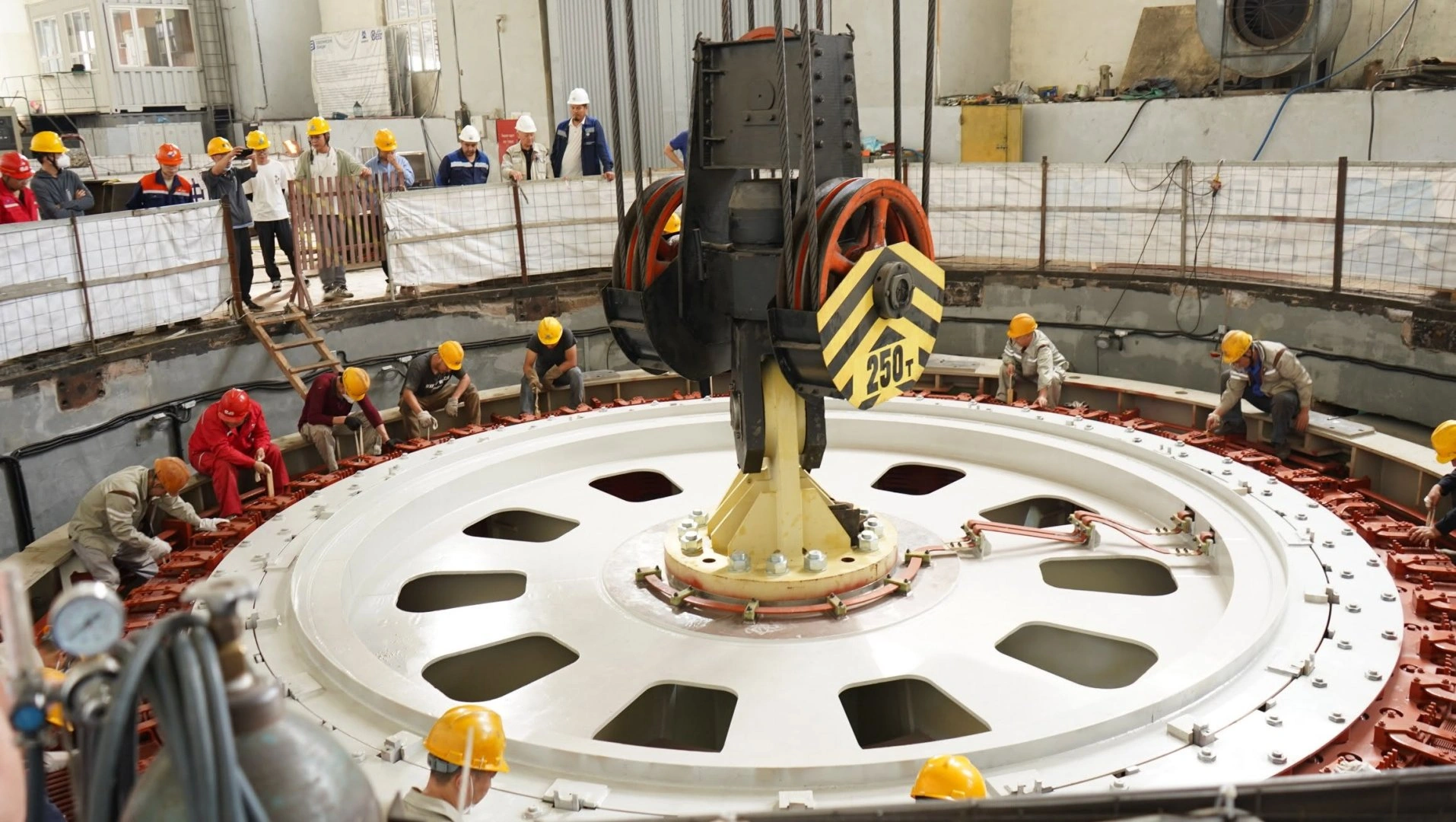
According to the ministry, the modernization of hydroelectric
units No. 1 and No. 2 is currently underway and is expected to be
completed by the end of 2026. The project began in 2024. Hydro unit
No. 4 has already been fully replaced, increasing its capacity by 9
MW, while the modernization of hydro unit No. 3 has also been
completed, adding another 9 MW.
Once work on units No. 1 and No. 2 is completed, all four hydro
units of the Uch-Kurgan HPP will have been modernized, the report
says. The modernization is expected to improve the reliability and
efficiency of the plant, replace outdated equipment and extend its
service life.
The Uch-Kurgan HPP is located in Kyrgyzstan's Jalal-Abad region
on the Naryn River. The plant was commissioned in 1961-1962. The
current reconstruction is the first major modernization of the
plant's main equipment in more than 60 years of operation,
according to the ministry.
Meanwhile, Kyrgyzstan's hydropower sector accounts for the large
majority of the country's electricity generation capacity, with the
Naryn River cascade forming the backbone of the system. The six
hydropower plants in the cascade have a combined installed capacity
of about 2,870 MW and account for around 92% of Kyrgyzstan's
hydropower supply. The Uch-Kurgan HPP is the oldest plant in the
cascade and has been operating since the early 1960s.
The modernization of Uch-Kurgan is part of Kyrgyzstan's broader
effort to renew existing generation infrastructure alongside the
development of new hydropower projects. The Asian Development
Bank-backed project includes the replacement of aging
electromechanical equipment and measures to improve the plant's
operational reliability. The upgraded facility is also expected to
provide additional clean electricity for domestic consumption and
potentially for exports to neighboring Uzbekistan and
Kazakhstan.