BAKU, Azerbaijan, August 12. Iran has called
for the Caspian littoral states to establish mechanisms for the
prompt exchange of information on the Caspian Sea.
This was stated by a representative of Iran at a
scientific-practical conference in Ashgabat, the press service of
the Turkmen government reported on August 12.
The Iranian side emphasized the importance of further
strengthening five-party cooperation among the Caspian littoral
states in protecting the sea.
“Among the current tasks are environmental monitoring, data
exchange, scientific cooperation and the establishment of a
permanent secretariat of the Tehran Convention,” the representative
said.
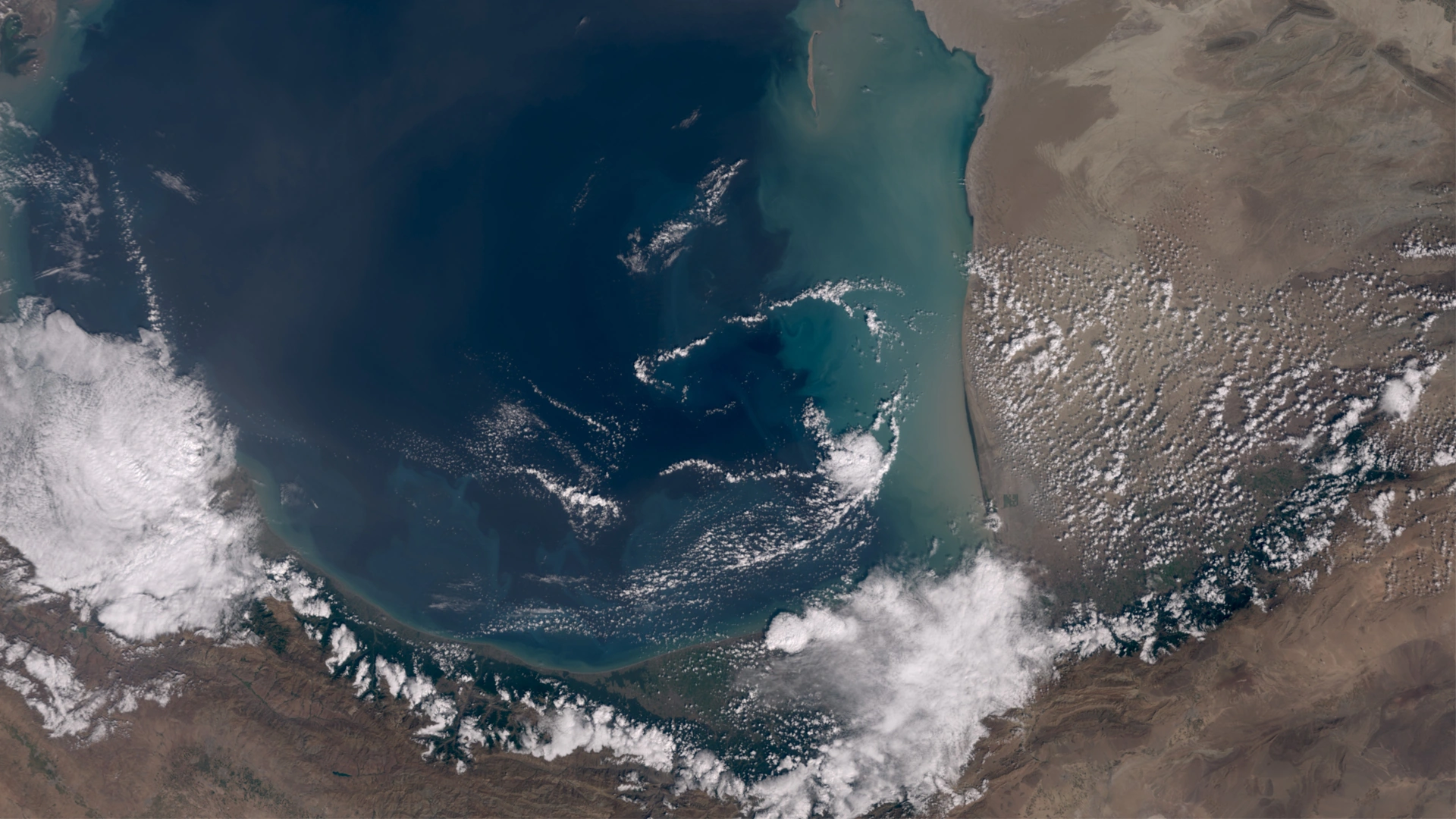
According to the press release, particular attention was paid to
the decline in the water level of the Caspian Sea. Iran called for
the Caspian littoral states to coordinate their efforts, establish
mechanisms for prompt information exchange and develop joint
measures to mitigate the negative consequences of the process.
The Iranian representative also confirmed Tehran's readiness to
host the seventh Conference of the Parties to the Tehran Convention
on September 23, 2026.
Iran also supported Turkmen President Serdar Berdimuhamedov's
initiative to hold a special environmental summit on the Caspian
Sea and emphasized the importance of preserving the Caspian as a
space for peace, friendship and cooperation.
The call for closer coordination comes as the five Caspian
littoral states are dealing with issues that increasingly link
environmental protection with navigation, energy and regional
infrastructure. The Caspian Sea has lost around two meters in water
level since the 1990s, according to the UN Environment Programme,
while continued decline is expected to affect ports, fisheries,
coastal communities and biodiversity. The changes therefore extend
beyond environmental policy and can influence how the countries
plan and operate infrastructure around the sea.
This makes the development of common rules and
information-sharing mechanisms particularly relevant. The
Convention on the Legal Status of the Caspian Sea, signed by
Azerbaijan, Iran, Kazakhstan, Russia and Turkmenistan in Aktau in
2018, provides a framework covering navigation, transport, seabed
resources, submarine pipelines and cables, environmental protection
and security. The convention has been ratified by four of the five
countries, with Iran the remaining state yet to complete
ratification. On August 10, Iranian Foreign Ministry spokesman
Esmaeil Baghaei said Tehran considers ratification appropriate and
that the issue should now be decided by parliament.
At the same time, ratification of the legal-status convention
would not by itself settle every outstanding question between the
littoral states. Baghaei specifically pointed to the unresolved
issue of the Caspian's “starting line,” which Iran links to the
question of how seabed and subsoil areas can be determined. He said
discussions on this matter with Turkmenistan and Azerbaijan had
taken place and should continue in bilateral formats. This
distinction is important because the broader legal framework and
the practical delimitation of specific maritime areas are connected
processes, but they are not the same process.
Meanwhile, environmental cooperation is becoming more directly
connected to economic projects. A protocol on transboundary
environmental impact assessment under the Tehran Convention entered
into force in November 2025, allowing a Caspian state to request
assessment of major projects in another littoral country when they
may have cross-border environmental effects. The rules cover
projects including pipelines, oil refineries and transport
infrastructure.