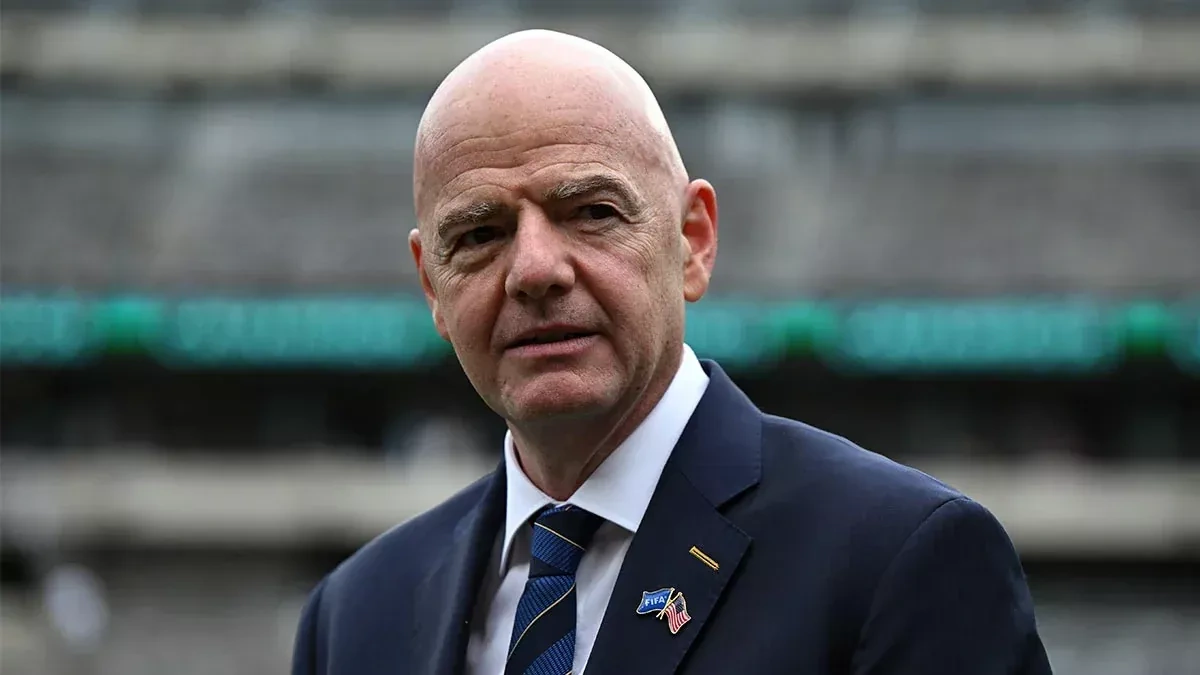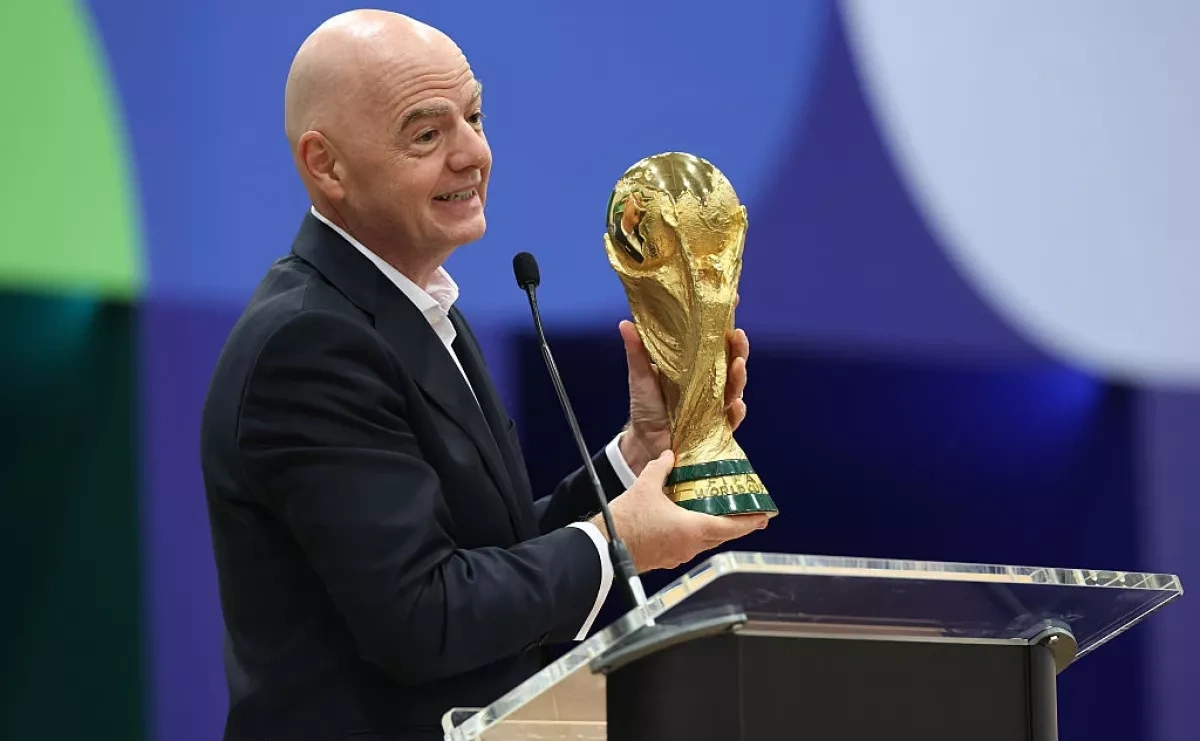
The head of the Jordan Football Association has accused Gianni Infantino of attempting to pressure the federation into backing his re-election bid, alleging that assistance was withheld unless political support was granted.
In a statement published on the X platform, Prince Ali bin Al-Hussein said FIFA had declined to address several issues affecting Jordan’s national team during its participation in the 2026 World Cup until he was approached with what he described as a conditional offer.
Prince Ali detailed a series of grievances encountered during Jordan’s debut appearance at the 2026 World Cup, hosted across the United States, Canada and Mexico.
The Jordanian team, competing for the first time on football’s biggest stage, was drawn in Group J alongside Austria, Algeria and Argentina. It lost all three matches and exited the tournament without points, finishing fourth in the group.
Among the issues raised was the difficulty faced by Jordanian supporters in obtaining visas to attend matches. Prince Ali said that not all fans were granted entry despite holding valid tickets, which he alleged had been sold at inflated prices.
He also pointed to financial concerns, including tax charges imposed by U.S. authorities via FIFA on teams based in the United States. According to him, funds that would ordinarily be allocated to players and staff were instead diverted to cover these costs. He contrasted this with teams stationed in Canada and Mexico, which did not face similar financial burdens.
A further grievance related to delayed prize money from the 2025 Arab Nations Cup held in Qatar under FIFA’s auspices. In that tournament’s final, Morocco defeated Jordan 3–2 after extra time. Prince Ali said the federation had been awaiting payment since December, despite FIFA’s public statements highlighting its substantial financial reserves.
The allegations emerge at a time of increasing scrutiny of Infantino’s leadership, including criticism surrounding the unsuccessful attempt to launch the FIFA Forward Enterprise initiative, which proposed opening the organisation to private investment.
By Tamilla Hasanova