BAKU, Azerbaijan, July 17. President of
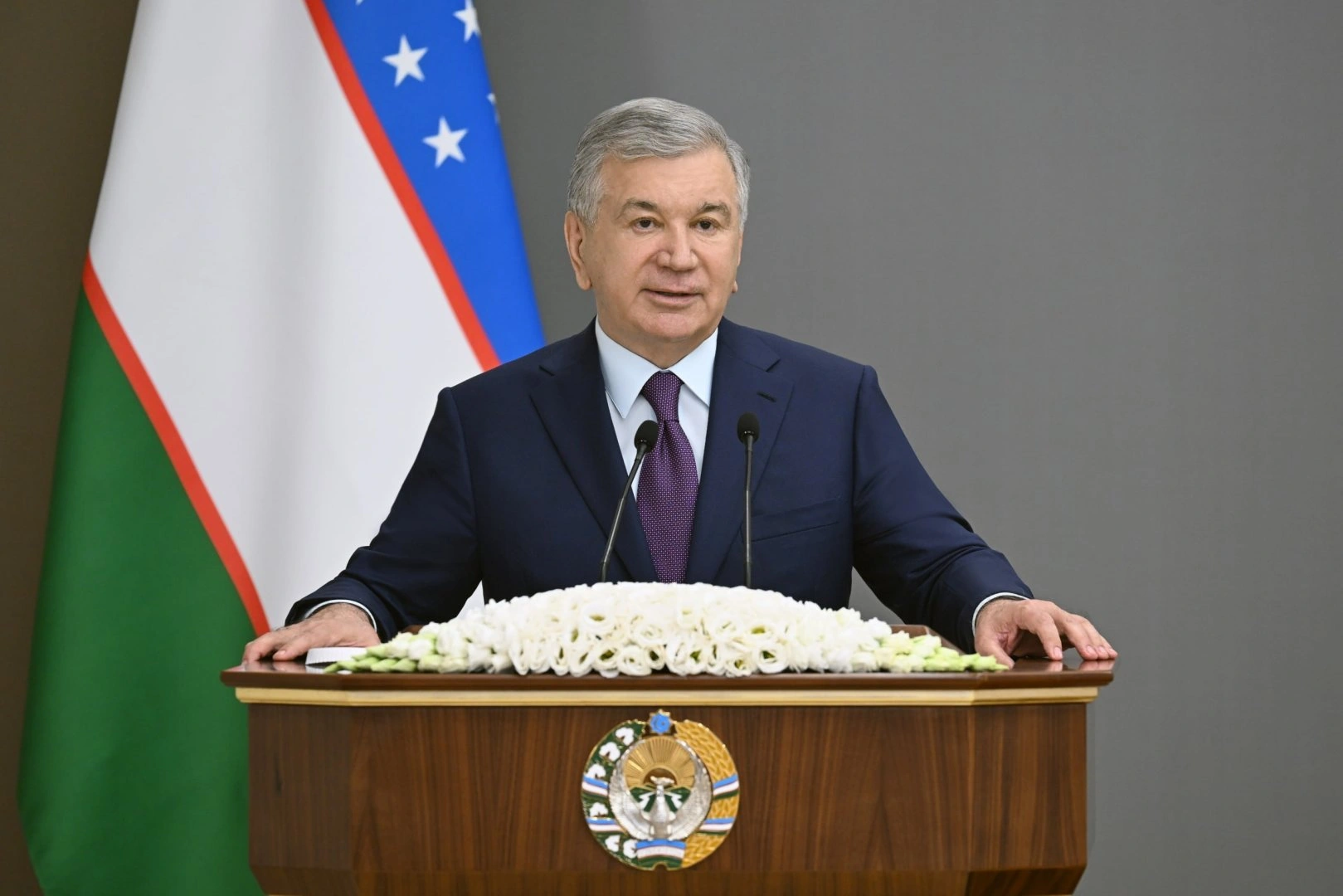
Uzbekistan Shavkat Mirziyoyev ordered systematic structural
upgrades across regional power and gas networks before the winter
heating season.
This was stated by the Uzbek presidential press service,
following the briefing on public complaints regarding the
matter.
"Analyses of the consumer complaints received during the first
half of 2026 revealed a total of 39,220 inquiries concerning the
fuel and energy complex. While this figure marks a 26.1% decrease
compared to the same period last year, the government is treating
the remaining volume as indicators of localized technical
vulnerabilities. According to official metrics, 50% of the recorded
grievances pertained to the supply of natural and liquefied gas,
while 38.3% involved power grid stability. The complaints primarily
centered on liquefied gas cylinder distribution schedules,
localized electricity outages, lagging grid modernization projects,
and drops in natural gas pipeline pressure," the statement
says.
In response to these findings, President Mirziyoyev ordered a
comprehensive audit of residential areas and public facilities that
show high rates of recurring complaints. Regional administrations,
or hokmiyats, alongside utility companies and local community
representatives, have been tasked with drafting targeted localized
action plans to repair malfunctioning infrastructure before cold
weather elevates consumption demands.
The national preparation strategy mandates prioritizing the
maintenance of transformer substations and power transmission lines
in districts prone to frequent outages. Additionally, authorities
have been directed to reinforce emergency repair crews, stabilize
pipeline pressure in problematic distribution networks, and
strictly adhere to delivery schedules for residential liquefied gas
cylinders. Concluding the briefing, he emphasized that resolving
these systemic energy bottlenecks in cooperation with regional
authorities remains a prerequisite for ensuring uninterrupted
supply to residential areas and social infrastructure through the
upcoming winter.