BAKU, Azerbaijan, July 5. President of
Kyrgyzstan Sadyr Japarov reviewed the construction of a modern fish
farming facility in the settlement of Pristan, Karakol, during his
working visit to the Issyk-Kul region.
This was reported by the press service of the President of
Kyrgyzstan.
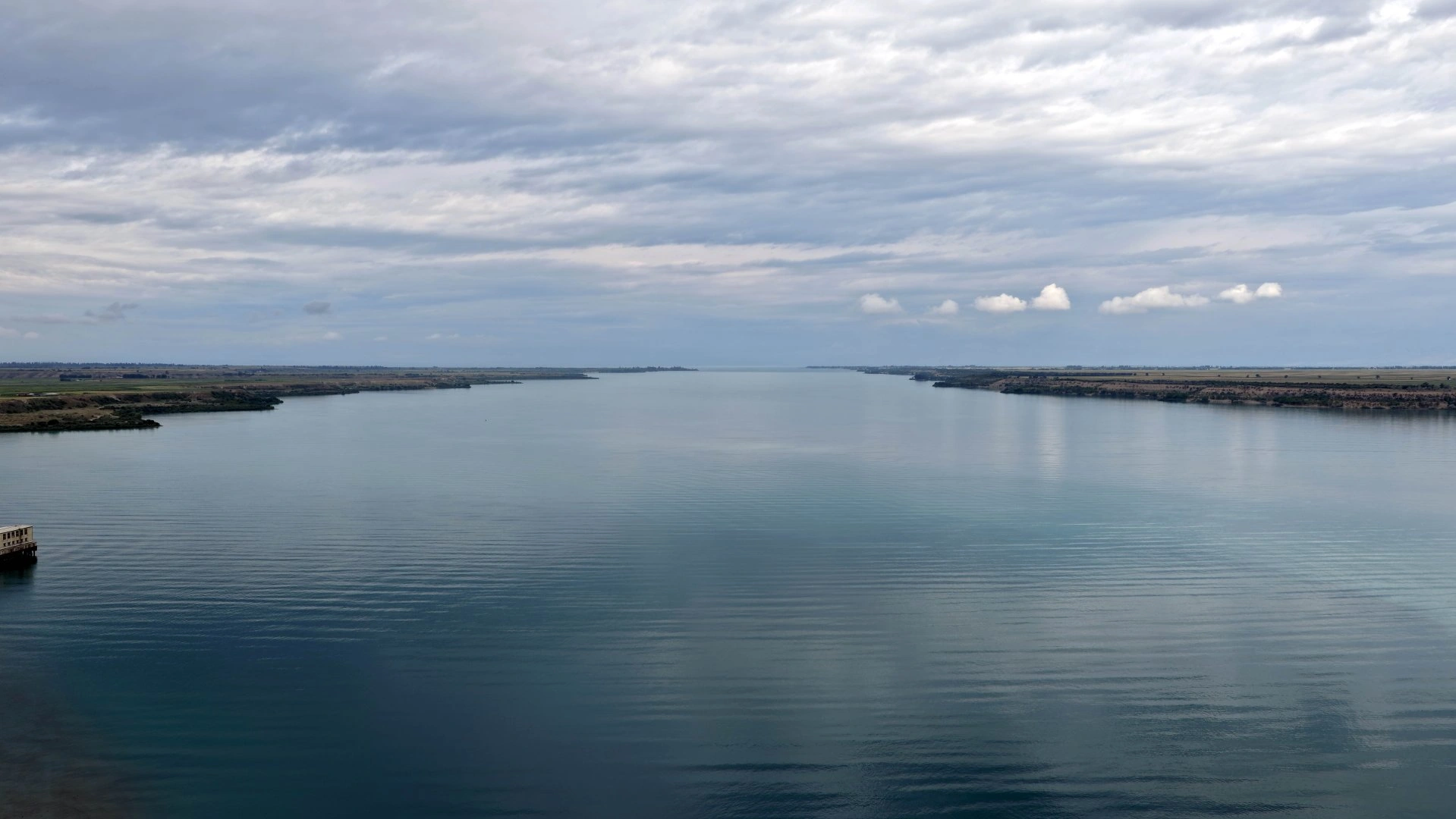
"The head of state was presented with a project to build a fish
farm aimed at restoring the biodiversity of Lake Issyk-Kul. The
project envisions breeding rudd and whitefish for subsequent
release into the lake, as well as raising trout and, potentially,
pike perch for commercial purposes," the statement said.
According to the statement, the project is aimed at restoring
the biodiversity of Lake Issyk-Kul. It provides for breeding chebak
and whitefish for release into the lake, as well as commercial
production of trout and, in the future, pike-perch.
The facility is designed to produce up to 2,000 tons of fish
annually. Construction began in June 2026 and is scheduled for
completion in November this year.
The production complex will include 33 fish-rearing pools and a
modern water treatment system with zero discharge of pollutants,
ensuring the protection of aquatic biological resources.
Furthermore, the project will also use solar panels to fully
meet its electricity demand through renewable energy sources.
The enterprise will operate a full production cycle, from fish
hatchery operations to finished products. The project is expected
to supply the domestic market with fresh chilled fish, create new
jobs, develop regional infrastructure and export products to Russia
and China.
Following the presentation, President Japarov instructed
officials to ensure the timely implementation of the project,
strict compliance with environmental standards and high
construction quality.
The Food and Agriculture Organization (FAO) is implementing the
Central Asia Water and Land Nexus (CAWLN) program to strengthen
integrated water and land management across the region, the
organization told Trend.
According to the FAO, the initiative, supported by the Global
Environment Facility (GEF), aims to rehabilitate degraded land and
ecosystems, promote sustainable resource management, reduce
greenhouse gas emissions and strengthen regional cooperation on the
management of shared river basins in Central Asia.