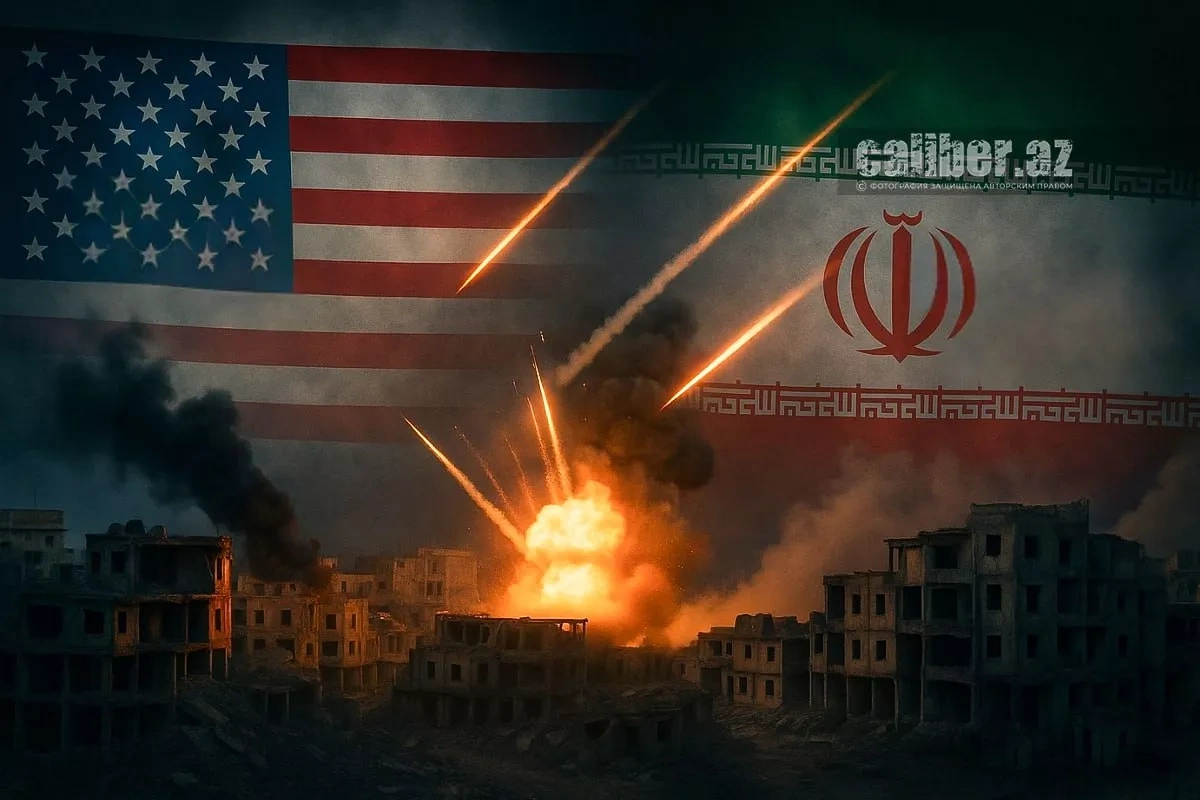
The main news of recent days has been the memorandum between the United States and Iran, which is supposed to serve as a roadmap toward a subsequent permanent agreement. A 60-day timeframe has been set for this purpose; however, Trump stated that this deadline is flexible and may change.
One of the main objectives of the U.S. operations (“Epic Fury”) and Israel’s (“Roaring Lion”) was the elimination of Iran’s nuclear programme. The wording regarding the nuclear programme in this memorandum is extremely vague and does not include any commitment to dismantle nuclear facilities or remove enriched uranium, which the Americans had previously insisted on. Tehran has not taken on such obligations. Moreover, it retains its ballistic missile programme, which Israel perceives as an unequivocal threat to its security.
A significant achievement for Tehran is also that it has managed to directly link the cessation of hostilities across all fronts of the “Axis of Resistance” to an agreement with the United States. Israel has already reduced its military activity in Lebanon, although it has not withdrawn its troops from there.
Tehran insists on the full withdrawal of the IDF from Lebanon, which will, of course, be opposed by the Israel Defense Forces and Netanyahu, who is facing elections in the near future. If Israel were to yield to U.S. pressure and withdraw from Lebanon, it would amount to political suicide for Benjamin Netanyahu, and his chances of winning the next election would be virtually nonexistent.
For Israel overall, the very fact of reaching an agreement is an extremely negative development. Yes, it may bring a temporary pause, perhaps even a period of calm, but it is clear that this would only be short-lived. Under the terms of the agreement, the maritime blockade on Iran is lifted. Tehran will continue to trade oil with China and receive enormous revenues, which will undoubtedly be used to rebuild its military capabilities.
Iran has also strengthened its position as a regional power in geopolitical terms. The IRGC can comfortably promote the narrative that Tehran has “brought its adversaries to their knees.”
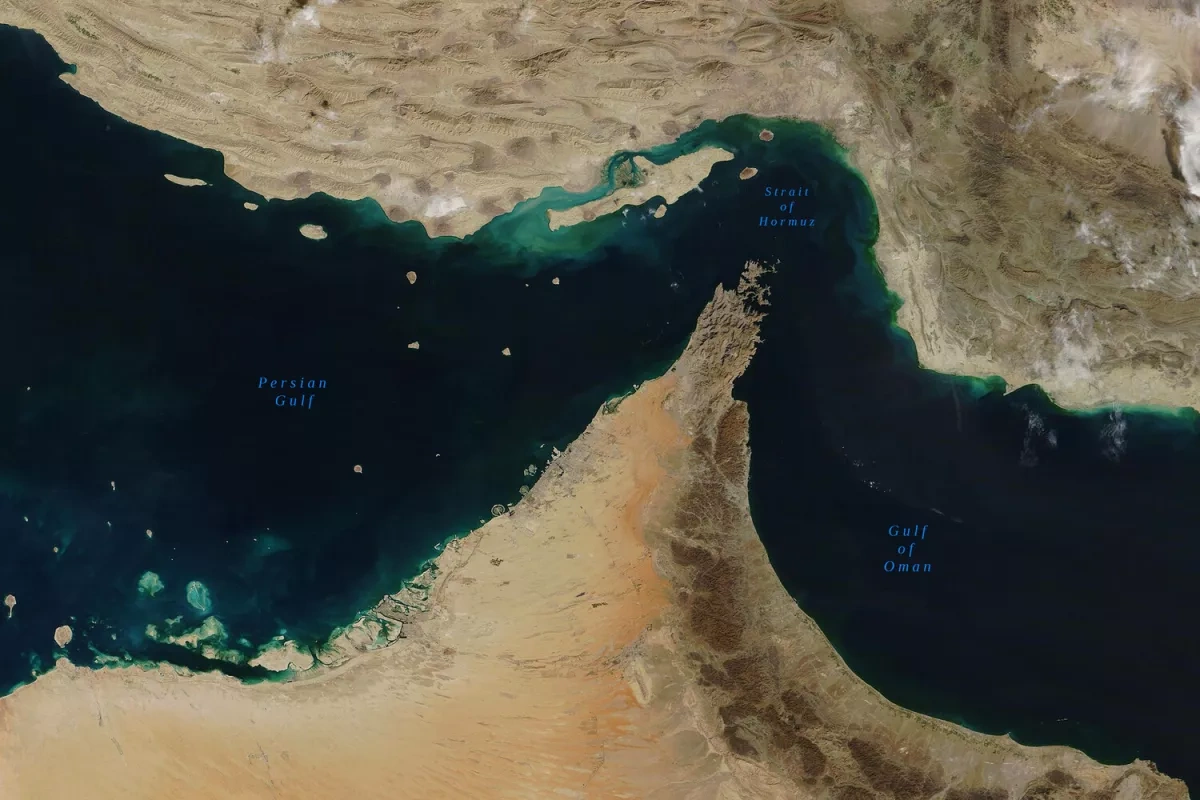
Also of no less importance is the issue of the Strait of Hormuz. The agreement states the following: “The Islamic Republic of Iran will conduct dialogue with the Sultanate of Oman, to define the future administration and maritime services in the Strait of Hormuz, in discussions with other Persian Gulf Littoral States, in line with applicable international law and the sovereign rights of coastal states of the Strait of Hormuz.”
This formulation is also far from clear. It is evident that Tehran does not intend to return to the pre-war status quo and is seeking to collect fees for vessel transit. There is also the question of Oman’s role: how will revenue be shared? Along the shipping channel between them? Or in some other way? The wording is vague and ambiguous.
Once again, it should be noted that this memorandum is essentially a “roadmap” for a full-scale agreement, the chances of which still remain low—unless, of course, the United States takes all Iranian interests into account. In that case, Iran would be ready to conclude such a deal immediately, even if it proves less reliable on the Iranian nuclear issue than the 2015 Obama-era agreement.
There is also a provision regarding the withdrawal of U.S. forces stationed in “proximity” to Iran. What exactly does this refer to? The forces that were deployed by Central Command ahead of a potential military operation? Or U.S. military bases in Gulf countries?
The document contains no clear and precise provisions, apart from the 60-day deadline set for reaching an agreement. Negotiations on the previous deal with Iran took years, whereas here only 60 days have been allocated. The chances of achieving a genuinely effective agreement—rather than a mere paper that only postpones another war—appear extremely low.
All that remains is to continue observing how events unfold. One thing can be said with certainty: the Middle East, and the world as a whole, is unlikely to become any calmer.
By Riad Hamidov