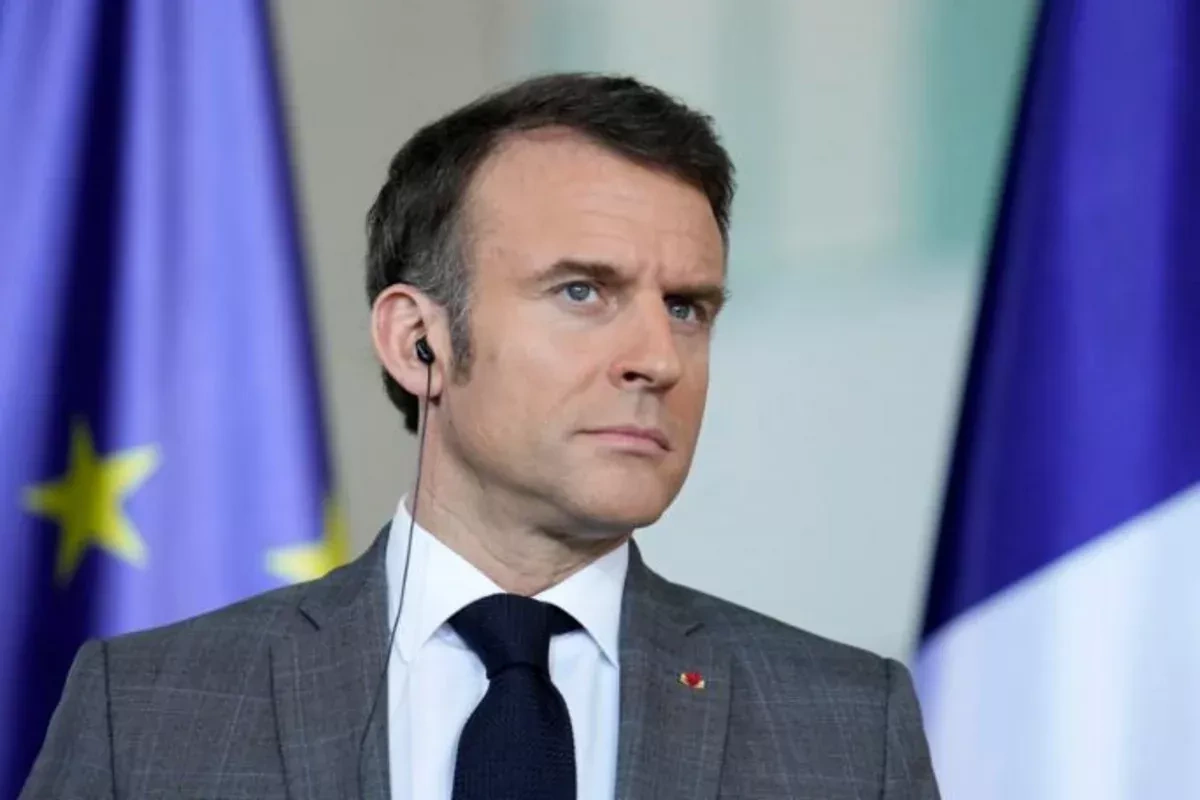
French President Emmanuel Macron’s statement that Israel’s actions are unacceptable, and that its policy not only increases tensions in the region but also, in the long term, contradicts the interests of the State of Israel itself, has once again brought to the forefront the question of how European leaders assess conflicts in different parts of the world.
“Policies that are still being carried out in Gaza, the policy regarding the West Bank [of the Jordan River] with new [Jewish] settlements and absolutely unacceptable actions, as well as the policy being implemented in southern Lebanon, are in the long term contrary to Israel’s interests, as they fuel resentment and violence among all peoples of the region,” the French leader said, noting that despite the security gains achieved by Israel after Hamas’s attack, the country’s further actions go beyond the fight against terrorism.
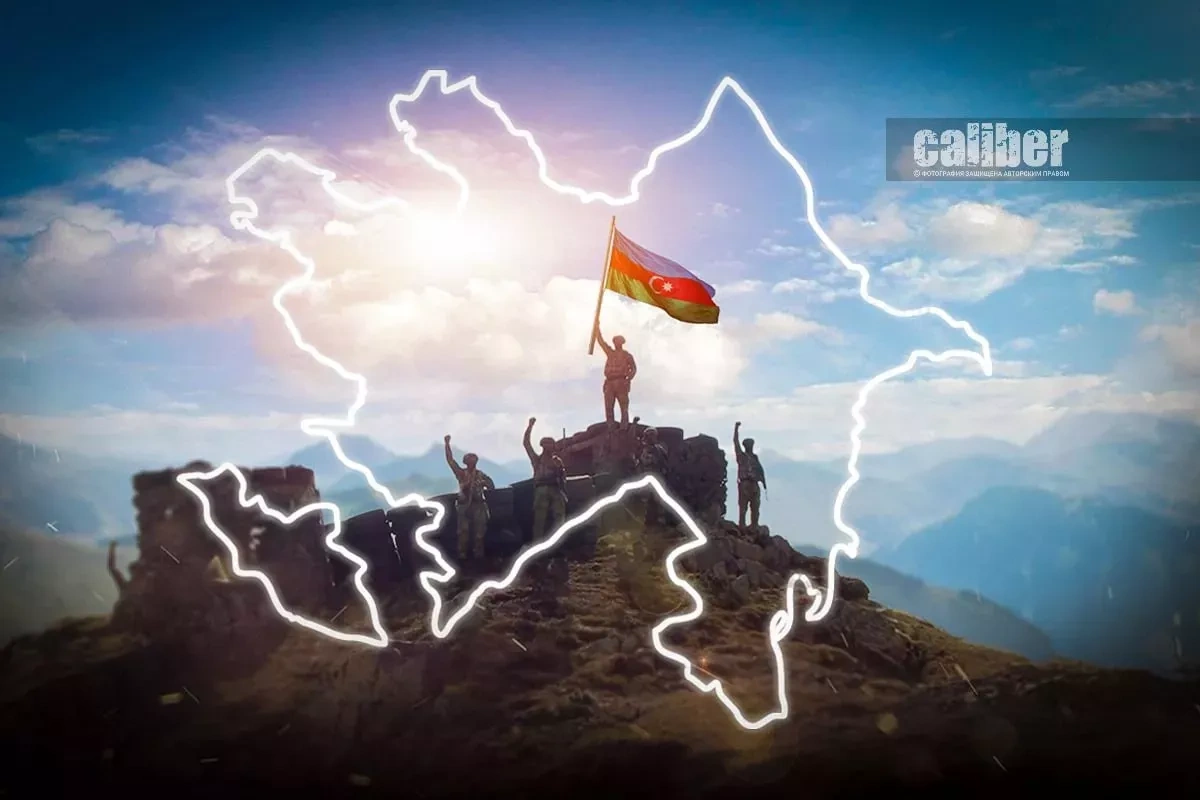
And here we should immediately clarify: this analysis does not aim to assess the fairness of Macron’s position on Israel’s actions in the Gaza Strip or Lebanon – this requires a separate, in-depth and impartial examination. However, in this context, a question arises that is difficult to ignore: “Why was similar rhetoric from the French president not voiced in relation to the Armenian-Azerbaijani conflict, during which about 20% of internationally recognised Azerbaijani territory remained under Armenian occupation for more than a quarter of a century, a fact that was recorded in UN Security Council resolutions?”
Throughout his entire presidency, Macron has never issued a publicly comparable and equally harsh condemnation of the actions of the official authorities in Yerevan, nor have there been calls from him for the unconditional observance of international law in the same form as those made today regarding Israel. Moreover, when Azerbaijan took steps to restore its territorial integrity relying on Article 51 of the UN Charter, the French leader’s reaction appeared to be strikingly contradictory. These facts are difficult to interpret as anything other than a manifestation of a selective approach to the same principles of international law.
After the end of the 44-day war, French political institutions acted in an even more revealing manner. The French Senate adopted a resolution recognising the so-called “independence” of the self-proclaimed “NKR” – a separatist, unrecognised entity, including by Armenia itself, illegally established on the sovereign territories of Azerbaijan. This openly provocative and internationally unlawful move by the upper chamber of the French parliament was primarily supported by representatives of the political force associated with Macron. And although such “documents” had no legal force and still do not, their political impact proved significant: they reinforced the perception of France as a country prone to unilateral assessments.
In light of the above, Macron’s current statements on the inadmissibility of Israel’s actions are inevitably perceived through the prism of the already formed image of the Fifth Republic as a whole, and of its president in particular. This creates a persistent impression that universal principles of international law are applied selectively, depending on political expediency. Such an approach inevitably undermines trust in any foreign policy initiatives coming from Paris, since in global politics consistency is a key element of legitimacy.
Otherwise, the “double standards” effect emerges, which not only reduces the effectiveness of diplomacy but also deepens global polarisation. This is precisely why today’s position of Macron has generated such a strong resonance. In this context, it is appropriate to recall a simple truth: in order to have the moral authority to issue public assessments and calls, one must strictly adhere to the principles one proclaims. Otherwise, any statements will inevitably be perceived as political rhetoric devoid of real substance.