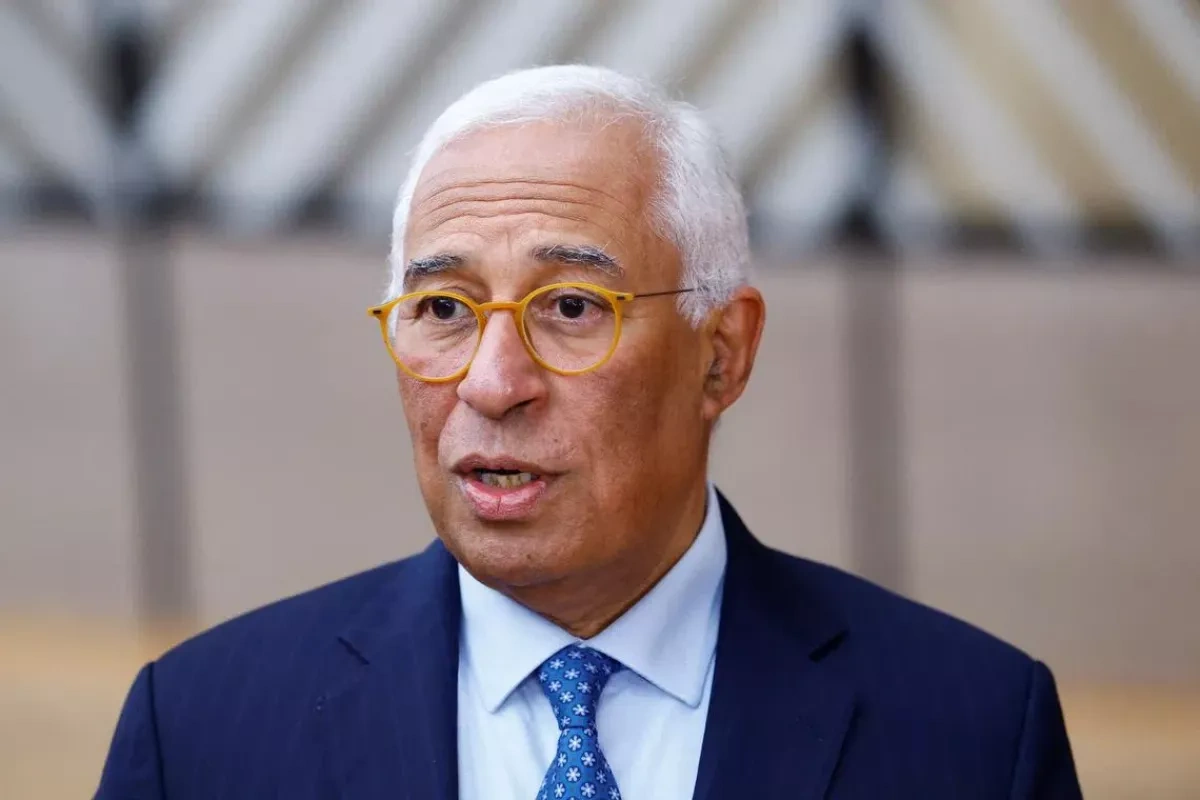
European Council President António Costa’s surprise decision to open a diplomatic channel with Russia to assess prospects for future peace talks has exposed divisions among EU member states, with several leaders questioning whether the move was properly coordinated.
The issue dominated discussions at EU summit in Brussels, where some leaders expressed concern they had not been consulted before contacts were initiated with Moscow, Caliber.Az reports via foreign media.
Costa defended the decision, saying the objective was to prepare for eventual negotiations while acknowledging that conditions were not currently suitable for talks.
“The President explained that he had asked his office to open a diplomatic channel with Russia. The aim was to be ready, when the right moment comes, to defend the EU’s interests. What we are talking about are brief contacts, with no exchange on substance and no negotiations — simply diplomats carrying out diplomatic work,” an EU official said.
“The most important point is that Europeans remain coordinated on how to engage with Russia and on what the EU's position should be,” the official added.
According to an EU official, some leaders suggested Costa could serve as a “natural representative” of the bloc’s interests, raising the possibility of a future role as a special envoy for contacts with Russia.
The move has, however, drawn concern from several member states, including Poland, the Baltic countries and Nordic states, diplomats said, reflecting wider disagreement over whether the EU should engage with Russia at this stage of the conflict.
Others, including the leaders of Belgium, Slovenia and Austria, expressed support for Costa’s initiative. Slovakia and Bulgaria were also described as supportive.
"Any steps that can lead to a cessation of hostilities and negotiations should be welcomed," Slovenian Prime Minister Janez Janša said.
The split highlights ongoing differences within the bloc over strategy towards Russia, with some capitals favouring continued isolation while others advocate preparing diplomatic channels in anticipation of future talks.
Costa’s office said the outreach was limited in scope and not intended to involve negotiations, but was instead designed to test whether communication channels could be established.
"It is important for it to have a strong voice and presence in this process, and it is worth determining who will represent Europe specifically," Ukrainian President Volodymyr Zelenskyy said last month after speaking with Costa.
The EU’s summit conclusions later endorsed the idea that the bloc was ready to “step up its engagement” in negotiations, though some officials noted that contacts with Moscow had already begun days earlier.
The episode underscores persistent divisions among EU member states over how and when to engage with Russia, even as the war in Ukraine continues.
"Both Ukraine and Europe have always been very clear that ultimately you will need negotiations to reach a lasting peace deal," Dutch Prime Minister Rob Jetten said.
"But as long as the Russians are not willing to do that, we must help Ukraine to get the upper hand on the battlefield."
By Aghakazim Guliyev