The recent G7 summit in Evian-les-Bains, France, has fueled cautious optimism among European leaders that US President Donald Trump may be willing to renew support for Ukraine after months of uncertainty, The Economist reports.
Unlike last year's G7 gathering in Canada, which Trump left on the opening evening, the US president remained through the conclusion of the three-day summit. Trump later described the visit as a "Great Success."
Hosted by French President Emmanuel Macron, the summit produced a series of significant developments. The leaders of the United States, Britain, Canada, France, Germany, Italy and Japan welcomed Trump's newly signed agreement with Iran, describing it as a "breakthrough." The deal was unexpectedly finalized during a dinner at the Palace of Versailles on June 17.
On Ukraine, the seven leaders reaffirmed their "unwavering support" and pledged to "strengthen sanctions" against Russia, including measures targeting the country's oil and gas sectors. The group also committed to supplying additional air-defence systems and long-range strike capabilities to Kyiv, while exploring options for Ukraine to manufacture allied weapons under license.
Macron hailed the outcome as an "Evian moment," while German Chancellor Friedrich Merz praised a "new tone" in transatlantic relations.
European officials believe attitudes in Washington may be shifting. According to a French diplomatic source, it has become clear to Trump "that today the Ukrainians are the winners and the loser is Putin."
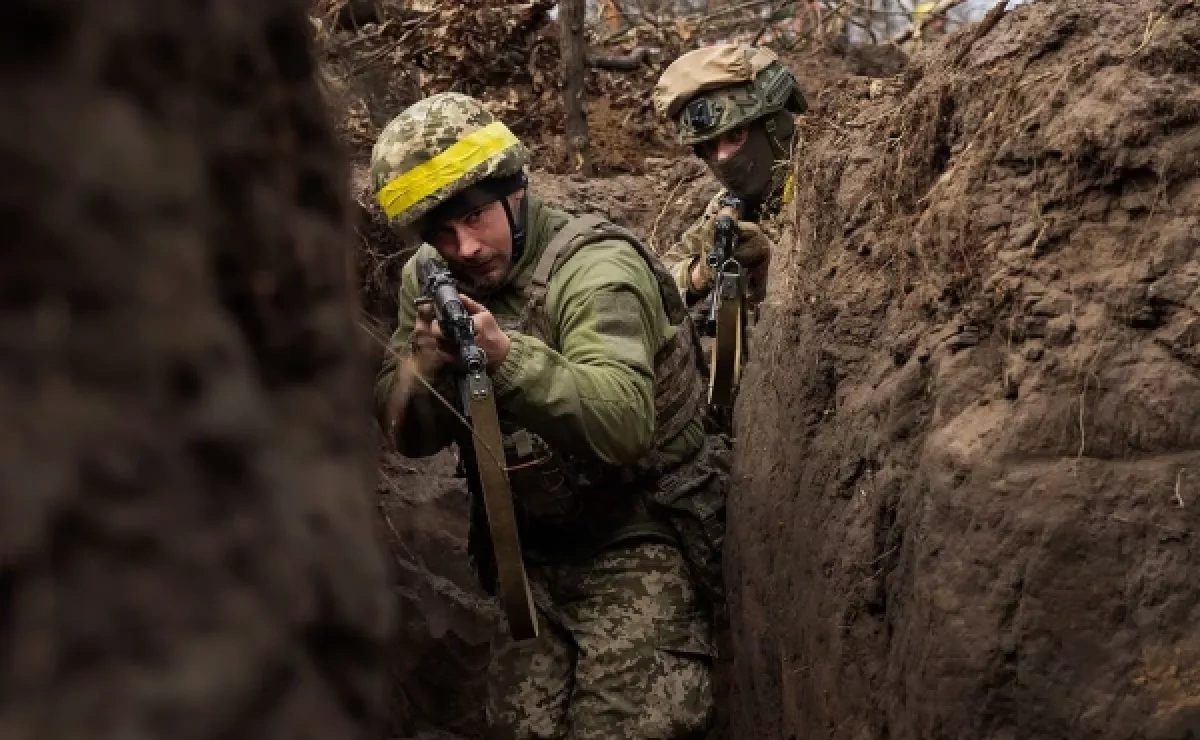
The optimism has been reinforced by Ukraine's battlefield successes, including a June 18 drone strike on an oil refinery near Moscow. US Army Secretary Dan Driscoll recently praised Ukraine's military innovation, while Defence Secretary Pete Hegseth acknowledged that America had "learned so much" from Ukrainian drone operations.
Despite renewed diplomatic contacts involving Washington, Kyiv and Moscow, major obstacles remain. Russia continues to insist on territorial concessions that Ukraine rejects, while concerns persist that any ceasefire could be used by Moscow to regroup and prolong the conflict.
By Vafa Guliyeva