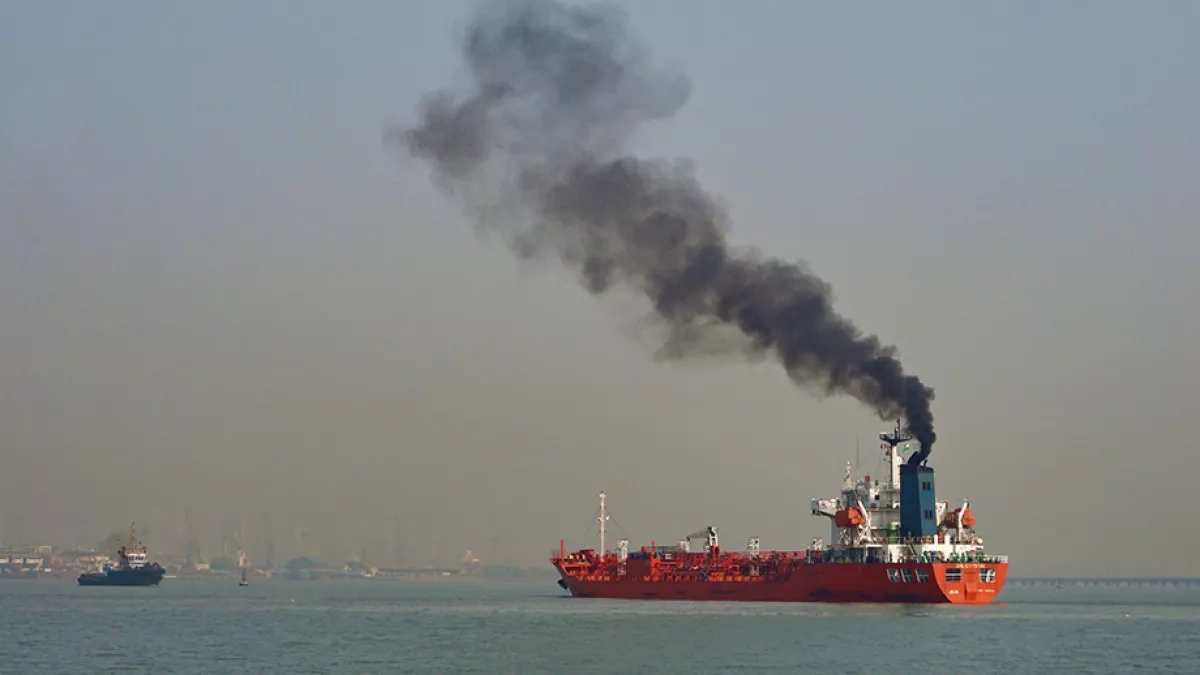
Shipping companies are rerouting vessels and enduring lengthy delays to secure fuel after disruptions caused by the recent conflict involving Iran, highlighting the lasting impact on global supply chains despite a U.S.-brokered peace agreement.
Industry executives say fuel shortages at key bunkering hubs have forced ships to travel hundreds of additional miles or wait up to two weeks for refuelling, driving up costs across the maritime sector, Financial Times reports.
Semiramis Paliou, chief executive of Diana Shipping, said the company had diverted vessels from Japan to South Korea on multiple occasions in recent weeks because fuel was unavailable at planned ports.
“Our charterers are not always able to find the quantities [of fuel] that they are looking for or at the ports that the ships would be sailing to,” Paliou said.
The disruption comes after weeks of tensions in the Gulf region, which affected fuel supplies and shipping routes linked to the Strait of Hormuz, one of the world's most important maritime chokepoints.
Costas Delaportas, chief executive of DryDel Shipping, said his company's vessels were facing significantly longer waiting times to refuel at major bunkering centres such as Singapore and Fujairah.
“We had to deviate to find a bunkering port — east India to Singapore because we were not sure we could find enough fuel,” Delaportas said.
He added that shortages were also affecting supplies of engine lubricants, with some vessels receiving only around 60% of the quantities ordered.
The fuel crunch has underscored the wider disruption caused by the conflict, which has affected energy flows, increased shipping costs and complicated logistics for vessel operators worldwide.
While tanker owners transporting crude oil and refined products have benefited from soaring freight rates, operators of dry bulk vessels carrying commodities such as iron ore and grain have faced rising operating expenses, including higher fuel bills and increased costs for crew transportation.
Although Iran and the United States reached a peace agreement over the weekend that President Donald Trump said would help guarantee safe passage through the Strait of Hormuz, shipping executives warned that the industry's recovery could take months as vessels reposition and supply chains stabilise.
Fujairah, located near the entrance to the Strait of Hormuz and traditionally one of the world's largest ship-refuelling hubs, has been hit particularly hard by shortages of very low sulphur fuel oil (VLSFO), a widely used marine fuel.
According to market participants, reduced imports of fuel feedstock and lower supplies from Kuwait's Al-Zour refinery have tightened availability in the port, sending prices sharply higher.
The shortage has also raised concerns over fuel quality. Paliou said some ships had received substandard fuel amid the surge in prices.
“As a consequence of the high prices we've had a number of occasions where the fuel quality supplied to our ships is not good,” she said.
Poor-quality fuel can damage vessel engines, forcing operators to offload contaminated supplies at the nearest port and replace them with compliant fuel, adding further delays and costs.
Delaportas said DryDel vessels had been forced to remove unsuitable fuel from ships “very regularly” in recent weeks, underscoring the operational challenges facing the industry as it navigates the aftermath of the Gulf crisis.
By Aghakazim Guliyev