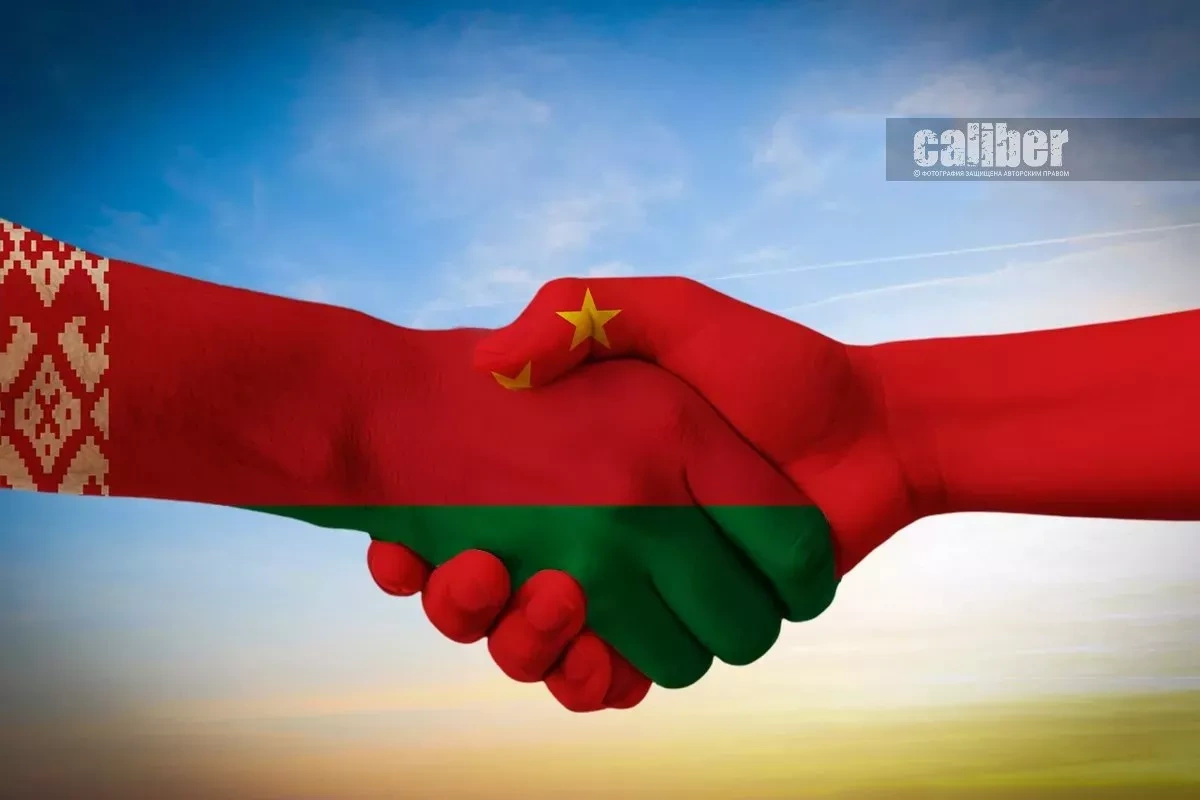
On June 6–8, Minsk hosted Chinese Vice Premier Han Zheng. The visit underscored the unique nature of Belarus–China relations and Belarus’s expanding role in the implementation of the “Belt and Road Initiative.” However, the rapid deepening of cooperation between Minsk and Beijing is not welcomed by all parties.
Most reliable friends
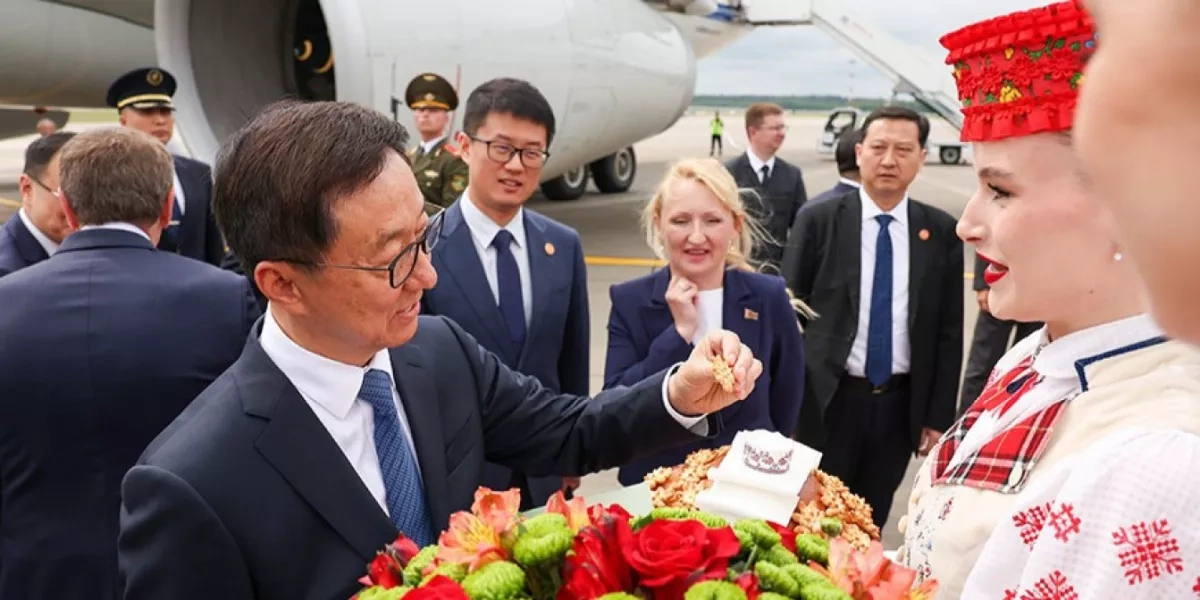
At the airport, Han Zheng was welcomed by First Deputy Prime Minister of Belarus Nikolai Snopkov and First Deputy Minister of Foreign Affairs Sergey Lukashevich. Upon arrival, the guest laid flowers at the Victory Monument, paying tribute to those who died in the Second World War. In 1941–1945, Soviet Belarus and China fought against common enemies.
“This is my first visit to Belarus. I have been here only for a few hours, but I already sincerely feel our all-weather friendship and cooperation, as well as the symshared his impressions.
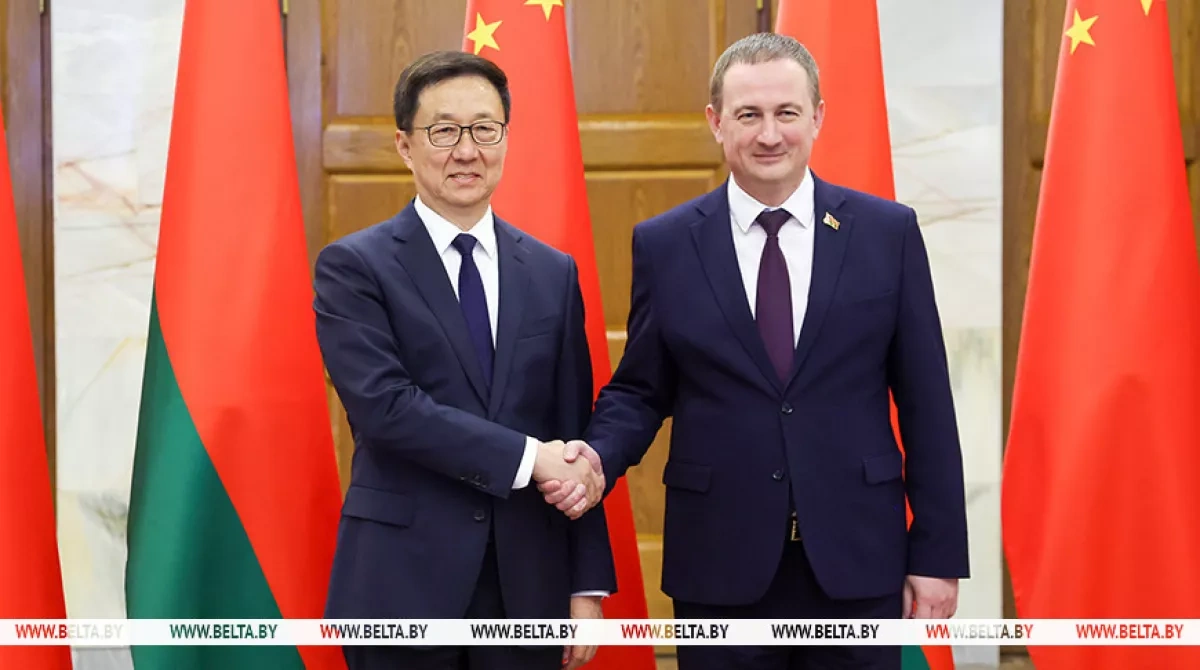
On June 6, Han Zheng and the delegation accompanying him met with the Chairman of the Council of Ministers, Alexander Turchin. On the same day, a separate meeting was held with Nikolai Snopkov.
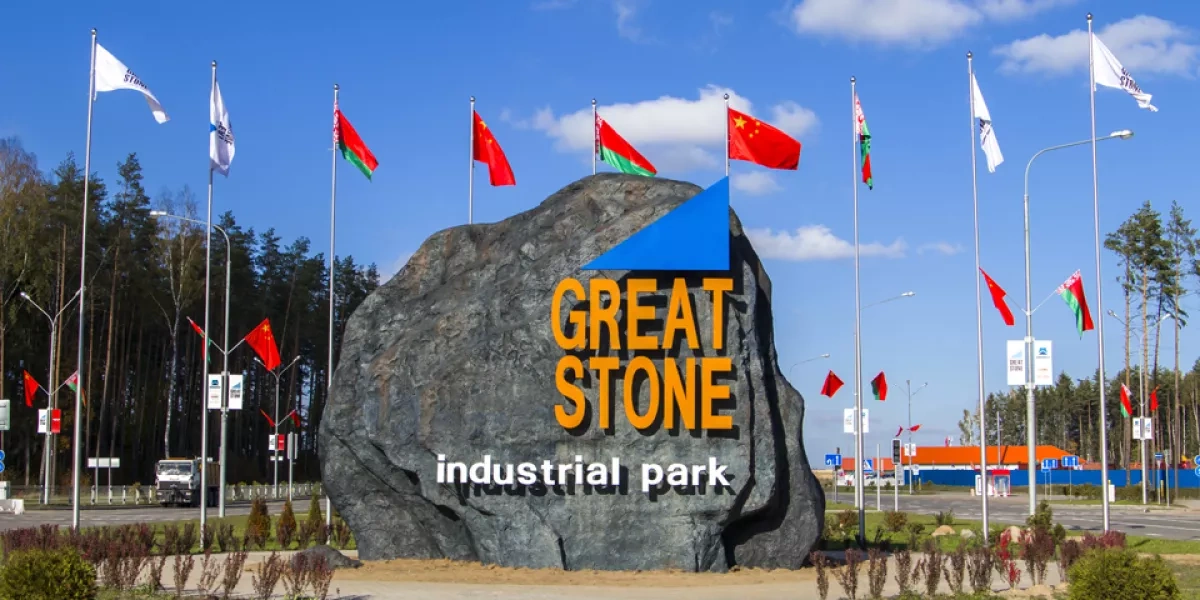
Discussions covered a range of practical cooperation issues, including the further development of the Belarus–China industrial park “Great Stone” and the “Belt and Road Initiative” in general. It was agreed to strengthen coordination mechanisms at the government level and accelerate the implementation of key projects.
Following the meeting, Alexander Turchin, among other points, emphasised China’s support for an open global economy, the creation of resilient production chains, and fair international economic relations.
Nikolai Snopkov stated that Belarus is placing strong emphasis on developing industrial and technological cooperation with China. The First Deputy Prime Minister said: “Belarus is ready not merely to be a partner, but to become an integral part of China’s long-term zone of strategic interests. Unquestionable years of political stability, a developed industrial base, qualified workforce, and the absence of corruption risks make Belarus one of the most suitable platforms for active Chinese investment.”
Han Zheng and Nikolai Snopkov also took part in the opening of the Belarus–China Forum on Industrial and Investment Cooperation. This is the first event of such a level held on the initiative of the Chinese side. Around 80 Chinese companies participated in the forum. The main focus was on further increasing Belarusian exports to the Chinese market.
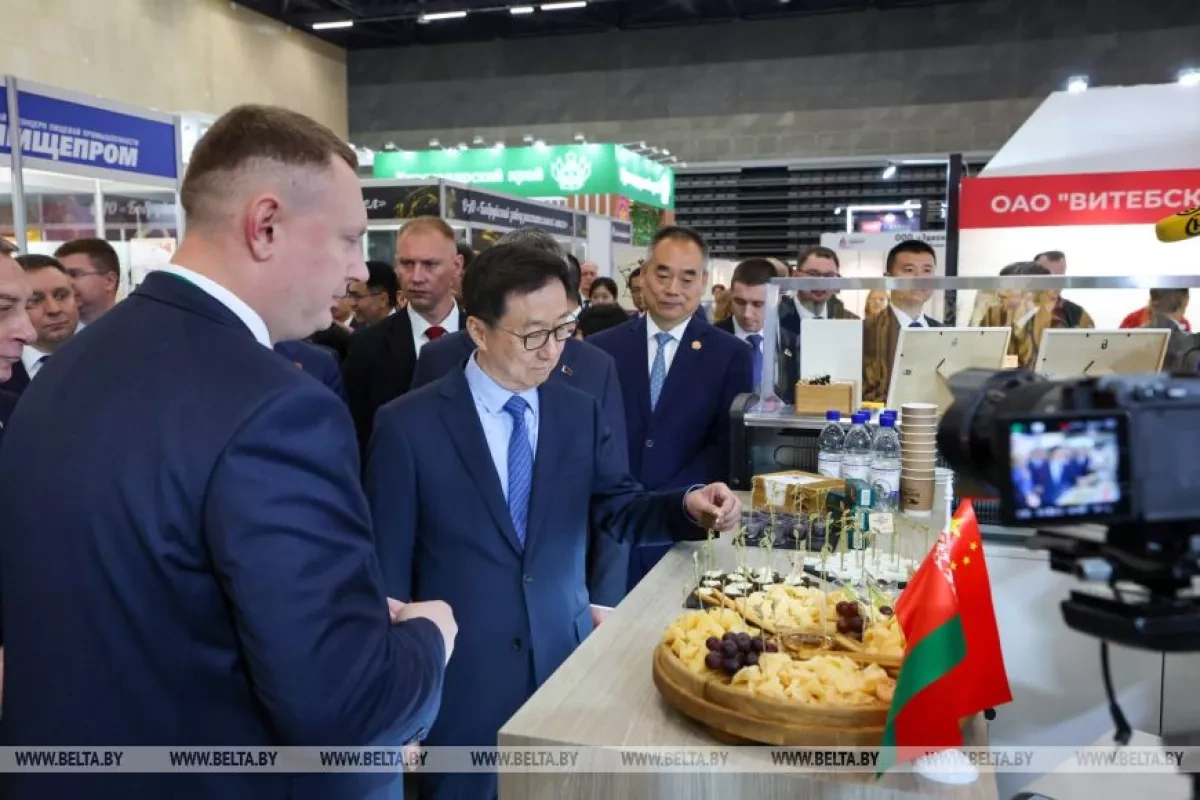
On June 7, the guest from Beijing also visited the international specialised exhibition “Belagro-2026,” where the initiative “Export of Belarusian goods to China” and a number of key cultural landmarks of Belarus were showcased. At the forum on the export of Belarusian products to China, around 15 new agreements were signed.
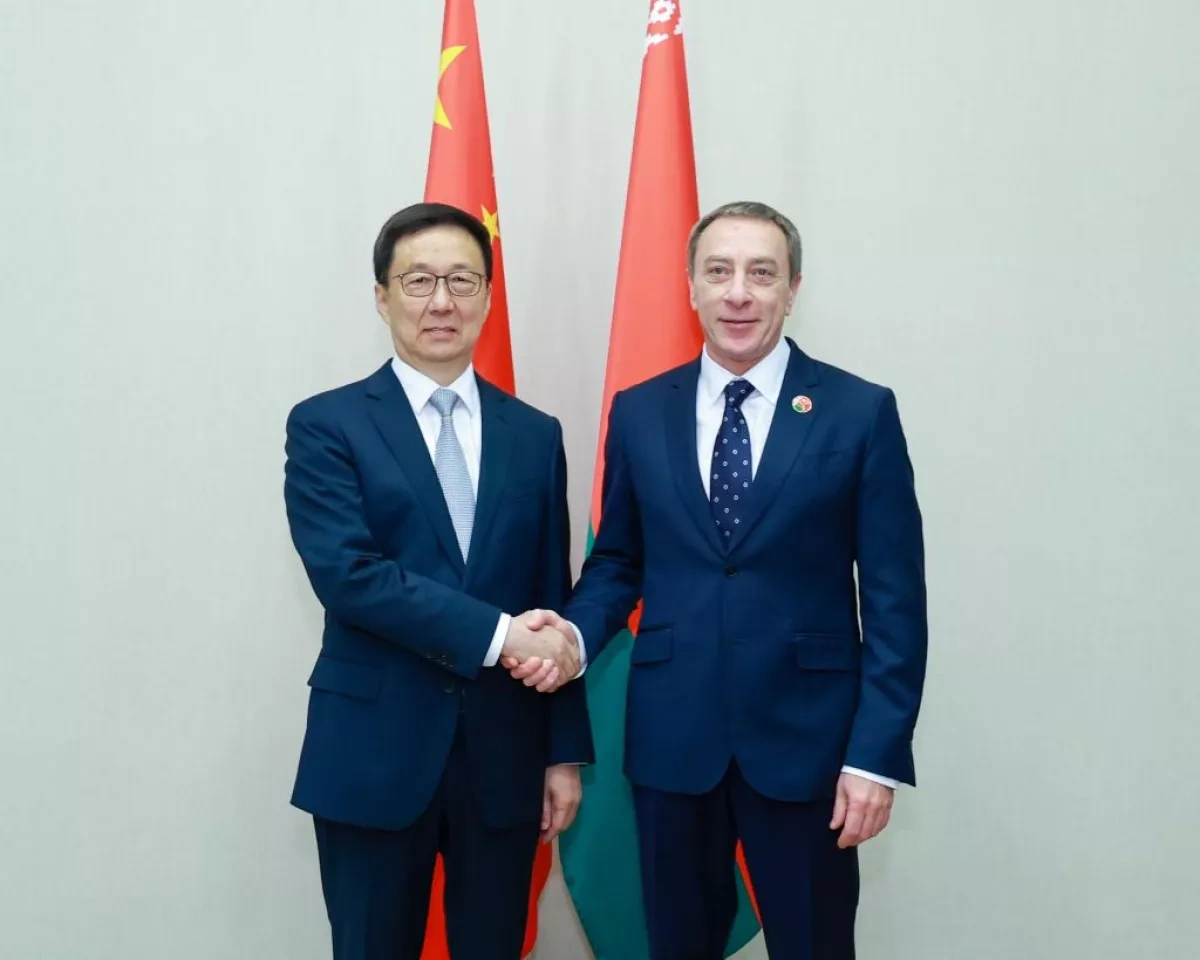
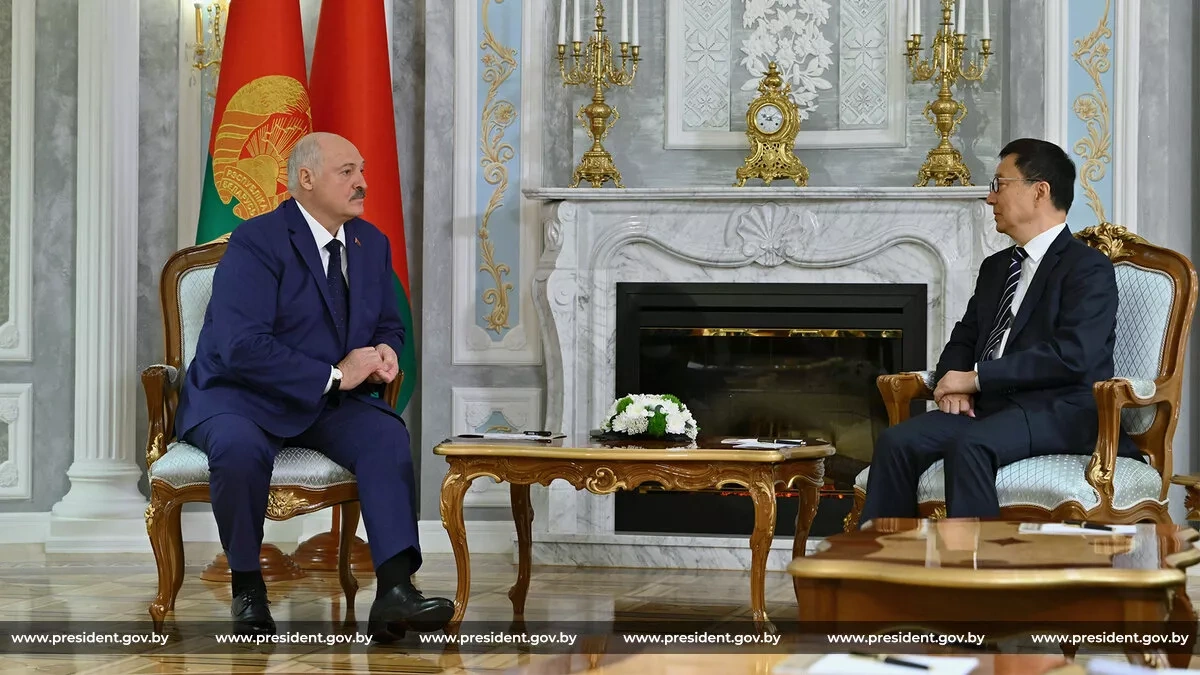
However, undoubtedly the most important part of the visit was the meeting between Han Zheng and Belarusian President Alexander Lukashenko, which took place on June 8.
The Belarusian leader greeted the high-ranking Chinese guest as follows: “Dear Comrade Han Zheng, I warmly welcome you once again to Belarus. It is very good that you have come at this particular time – you now have the chance to see our country with your own eyes. Our relations have been built over decades. In Belarus we talk about China a great deal. Behind these words and our political dialogue has come a truly explosive growth in trade and economic cooperation. We are very pleased that, at the right moment, Providence helped us orient ourselves precisely toward the People’s Republic of China.”
Lukashenko emphasised that the Belarusian leadership strictly honours all agreements with China. He added that in any negotiations—whether with representatives of Russia, the EU, or the United States—Belarus’s relations with China are not even a subject for discussion.
“You can count on us as your most reliable friends and supporters,” said Alexander Lukashenko. The Belarusian leader also noted that China is likewise always ready to come to Belarus’s assistance.
In his response, Han Zheng stated that relations between Belarus and the PRC have reached the level of an all-weather comprehensive strategic partnership. He also noted that in 2025, Alexander Lukashenko and Chinese President Xi Jinping held two meetings.
Belarusian hub for the great Chinese route
During the negotiations, the main focus was on economic and investment issues. Naturally, the “Belt and Road Initiative” was also discussed, in which Belarus is one of the key links. The Belarusian leader proposed making more active use of the “Great Stone” industrial park to facilitate the entry of Chinese goods into the EAEU market. On the Chinese side, there is strong interest in importing Belarusian agricultural products, including the country’s well-known dairy products, as well as meat and flax, and there are plans to increase these purchases. Priority is also given to joint scientific work and technology exchange.
Belarus–China comprehensive strategic cooperation indeed covers virtually all spheres. Today, every tenth unit of goods produced in Belarus is exported to China. The list of product categories exceeds several hundred items.
Around 200 Belarusian enterprises are now accredited on the food market of China.
If earlier the focus was on the successful implementation of individual economic projects, the discussion has now shifted toward deeper economic integration.
Today, China is the second-largest export market for Belarusian goods after Russia. Moreover, 2025 became a turning point in the development of economic cooperation between the two countries. In 2025, Belarusian exports to China increased fifteenfold. However, this growth was driven primarily by shipments of rapeseed oil. Belarus is now the second-largest supplier of rapeseed oil to the Chinese market, the sixth-largest supplier of whey and powdered milk, and the seventh-largest supplier of frozen beef. Belarusian alcoholic beverages, chocolate, and confectionery products are also in demand.
It has been decided not to stop at the achieved results. Export opportunities in other product categories are currently being developed.
The years 2026–2027 have been declared the Years of Industrial Cooperation between Belarus and China. The agreement was reached during the 2025 meeting of the two leaders in Tianjin.
In May 2026, the Belarusian president signed a directive titled “On practical content of the all-weather and all-round strategic partnership between the Republic of Belarus and the People’s Republic of China.” It assigned specific tasks to all state bodies and enterprises for the implementation of investment projects with Chinese partners. This is a unique case: Belarus’s economic cooperation with no other country in the world is regulated on such a basis.
It is planned to establish joint production facilities to manufacture goods for the Chinese market using Belarusian raw materials and Chinese technologies. New Chinese investments in pharmaceutical production are also expected. In total, 30 major joint projects and 11 strategic initiatives in the field of technology have been agreed upon. The “Great Stone” industrial park is planned to be transformed into a global technological hub specialising in machine tools, robotics, and microelectronics.
By 2030, Belarusian exports to China and direct Chinese investment in Belarus are expected to double.
Experts also suggest that the meeting may have included discussions about a possible visit by Xi Jinping to Belarus in the near future.
Cooperation with China is indeed important for Belarus, which is under constant sanctions and other forms of pressure from the West. This cooperation is mutually beneficial, as Brest serves as China’s “window to Europe,” despite the efforts of certain forces to close it.
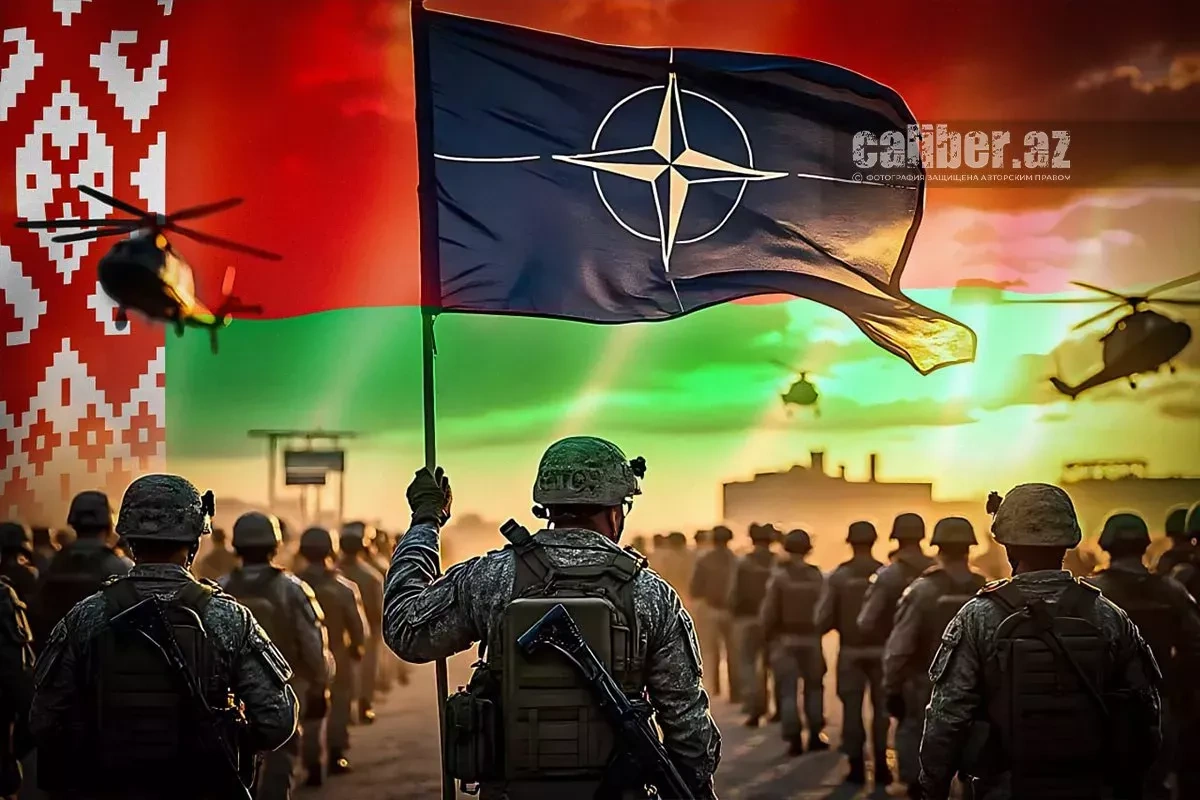
However, the rapidly developing cooperation between Minsk and Beijing is causing irritation both in the West and in a number of other countries. This may also be one of the reasons for the unprecedented and unprovoked military escalation by NATO near Belarus’s borders. There are also highly unfriendly statements coming from Kyiv.
Nevertheless, regardless of everything, the strategic partnership between Belarus and China will continue to develop. It is based not only on mutual benefit, but also on the aspiration for genuine sovereignty and a more just world order, in which social priorities and care for people are placed at the centre.