BAKU, Azerbaijan, June 3. Large-scale work has
been carried out to restore and reconstruct drinking water and
sewage infrastructure across the liberated territories, a source in
the Azerbaijan Water Resources Agency (ADSEA) told Trend.
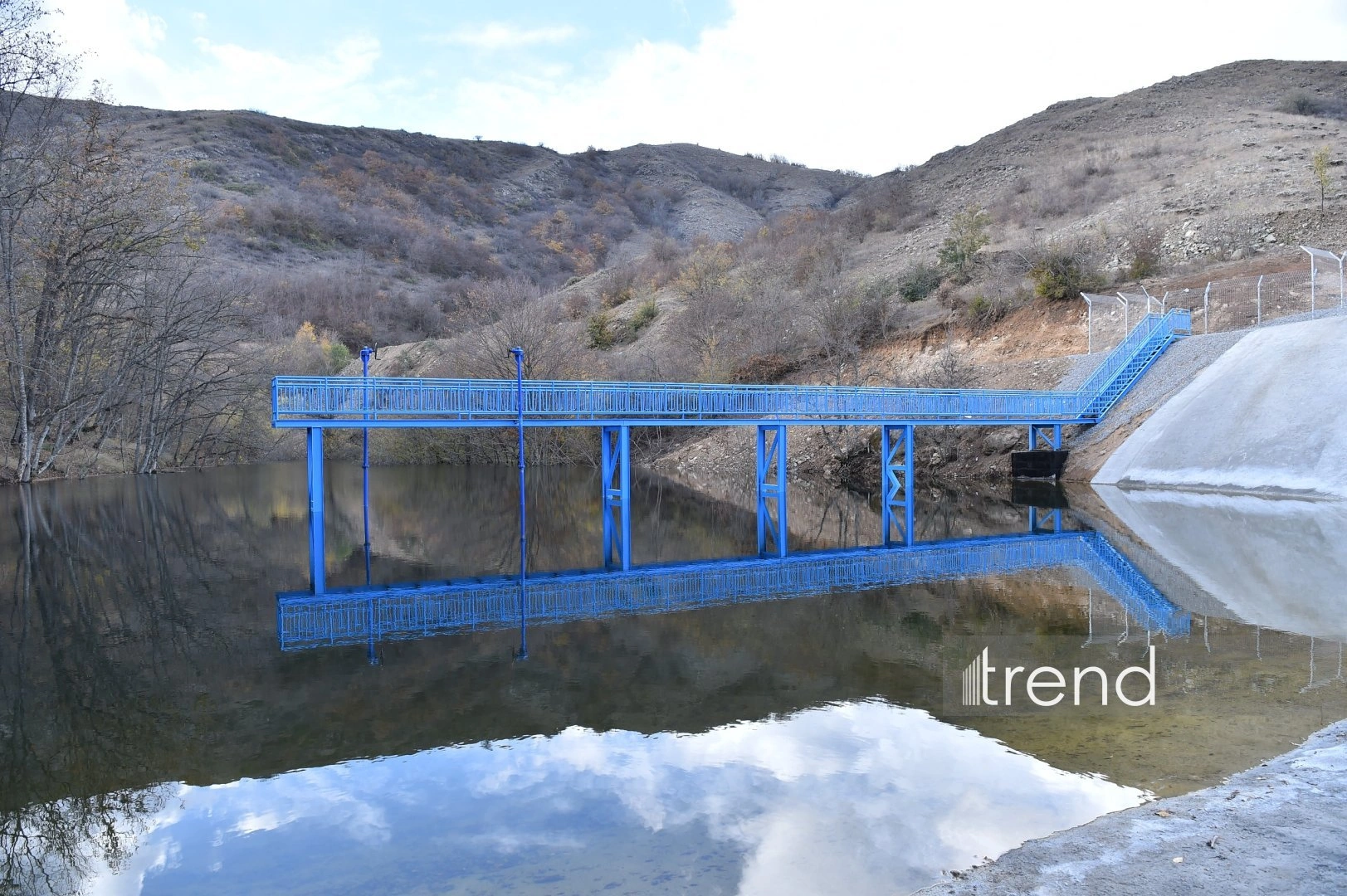
The source added that one of the largest water supply systems is
currently operating in the city of Khankendi.
According to the agency, Khankendi is supplied with water via
the Khalfali River, main water pipelines, and 15 subartesian wells.
The city has a 104-kilometer water distribution network, two water
treatment plants with a combined daily capacity of 16,000 cubic
meters, reservoirs with a total capacity of 15,000 cubic meters,
and a 67-kilometer sewage network. The system currently serves
3,264 subscribers.
In Shusha, water is supplied through a system fed by the Kichik
Kirs and Zarisli water sources. The city has a 34.5-kilometer water
network, a 27.5-kilometer sewage line, and a water treatment plant
with a daily capacity of 5,000 cubic meters. In total, 535
subscribers and 30 consumers receive water services in Shusha.
In the settlements of Khojaly, Askeran, Khojavend, Hadrut, and
Agdere, existing water sources have also been restored, new
pipelines have been laid, additional subartesian wells have been
drilled, and modern wastewater treatment facilities have been
installed.
Authorities say that sustainable water supply services are
currently being provided to state institutions, organizations, and
the resident population across cities and towns in the region.