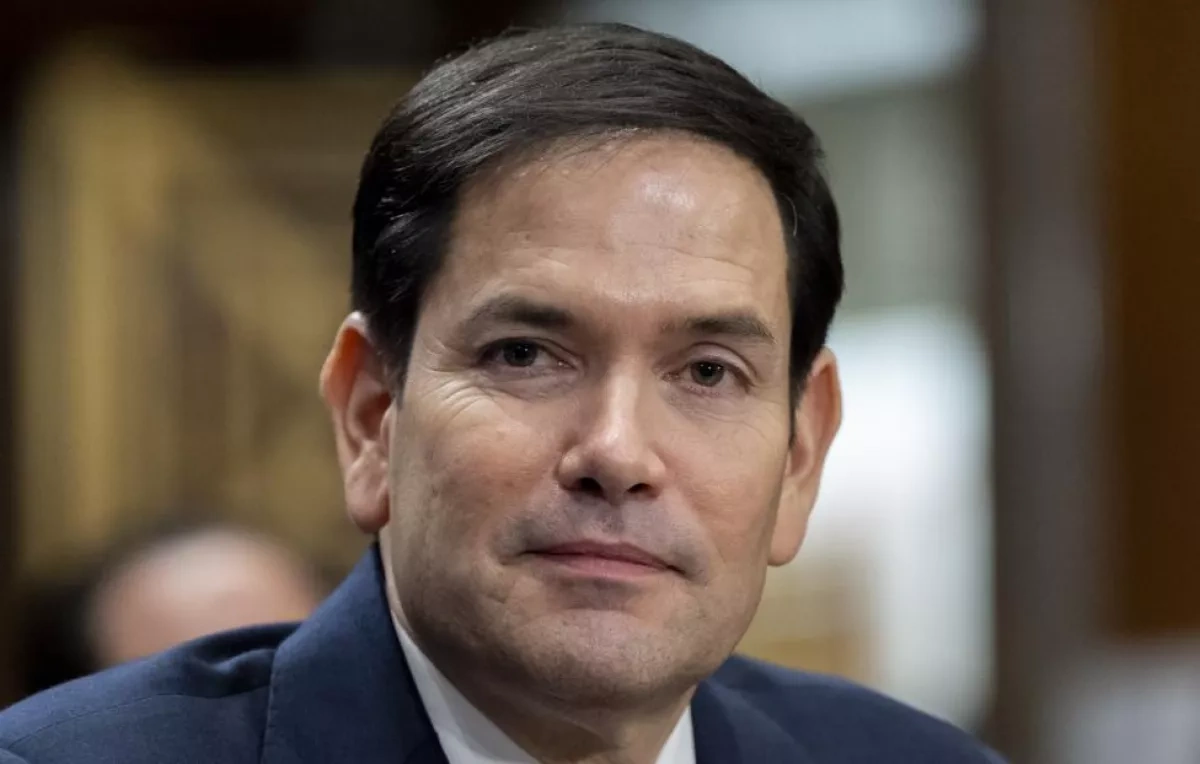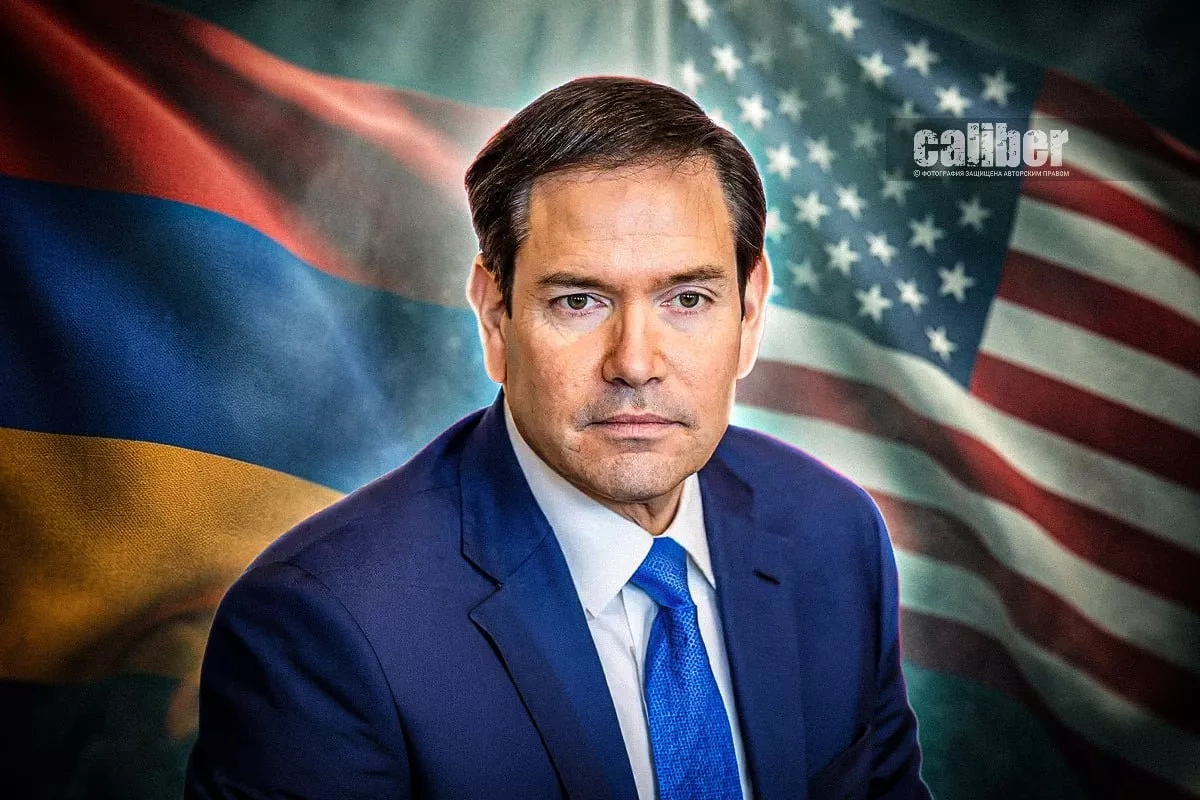
U.S. Secretary of State Marco Rubio paid a short visit to Yerevan, where he met with the Armenian foreign minister. The trip, which took place against the backdrop of an intense pre-election atmosphere in Armenia—where political tensions are literally “boiling”—has sparked various interpretations among both the public and the expert-analytical community.
At the same time, during the Secretary of State’s visit, a number of important documents were signed, including the Charter on Comprehensive Strategic Partnership, the Framework Agreement on Cooperation for the TRIPP project, as well as a memorandum on the supply of rare earth elements and minerals.
Earlier, the Armenian foreign minister categorically rejected any connection between Rubio’s visit to Armenia and the parliamentary elections, which, as is known, will be held in the republic on June 7. “What do the elections have to do with it? How can they be related?” he told Armenian media in response to a request to clarify whether the Secretary of State’s visit was linked to the upcoming vote.
What do foreign experts think about Marco Rubio’s visit to Yerevan? Caliber.Az asked American analysts this question.
Thus, Matthew Bryza, a member of the Board of Directors of the Jamestown Foundation and former U.S. Ambassador to Azerbaijan, expressed confidence that the Secretary of State addressed a number of important issues during his visit to Armenia.
“First and foremost, this is the promotion of the ‘Trump Route for International Peace and Prosperity,’ under which the United States and Armenia had previously signed a number of agreements. Thus, the development of this project and the signing of other documents that are part of the strategic partnership between the United States and Yerevan became the primary objectives of Rubio’s visit,” he said.
However, according to the diplomat, the fact that the visit took place ahead of parliamentary elections in Armenia appears to imply that one of its non-public purposes was support for Prime Minister Pashinyan and his team, with the signed documents serving as an additional political bonus for them.
“I believe it is obvious to any observer that Armenia’s chances for sustainable peace with Azerbaijan are higher if the current prime minister and his political force win the elections. It is equally obvious that if Pashinyan’s opponents win, this will become an obstacle to peace, since they generally condemn Yerevan’s efforts to normalise relations with Azerbaijan, Türkiye, and the European Union, and advocate for closer alignment of Armenia with Russia,” Bryza stated.
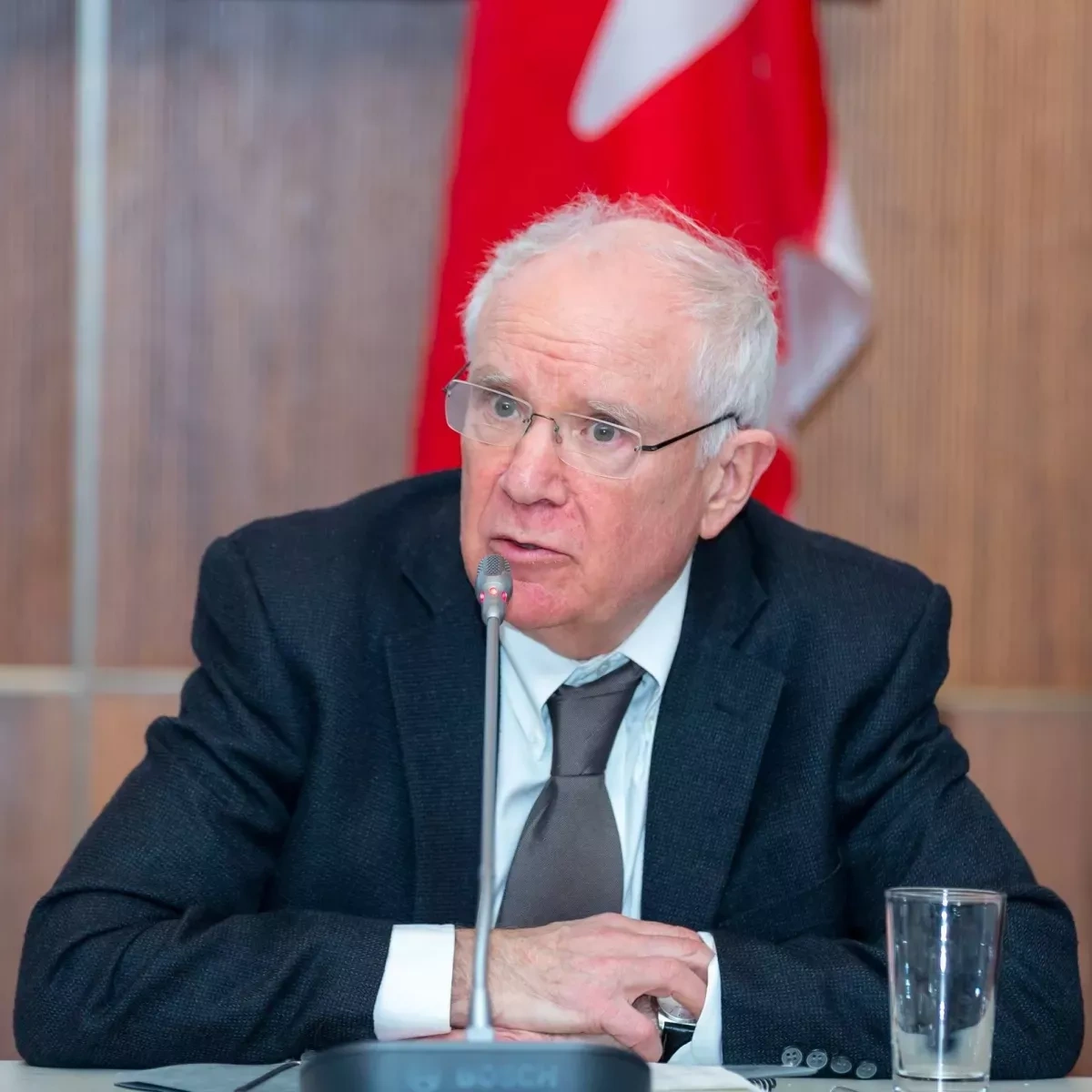
In turn, American political scientist and human rights defender Aaron Rhodes, former executive director of the International Helsinki Federation for Human Rights, noted that against the backdrop of the dramatic situation on the U.S.–Iran track, the U.S. Secretary of State’s visit appears somewhat unusual.
“This looks like another indicator of improving relations between the United States and Armenia, and at the same time, a demonstration of political support, similar to Rubio’s and Vice President Vance’s visits to Budapest, which is probably a rather strong reason for the trip. However, when this takes place amid intensified efforts to resolve the armed conflict between the United States and Iran and a global energy crisis, these initiatives may not necessarily produce the desired outcome,” the political scientist said.
At the same time, geopolitical and security expert and editor-in-chief of The Washington Outsider, Irina Tsukerman, emphasised that Rubio’s visit to Yerevan should be viewed as part of a broader U.S. strategy in the South Caucasus, and simultaneously as a signal addressed to the Armenian establishment during a period of electoral mobilisation. According to her, the issue is not limited to bilateral relations, but also concerns the role Armenia will occupy in the emerging regional configuration in the coming years.
“One of the central objectives of the trip is the political consolidation of relations between Washington and Yerevan after a period of significant regional developments, as a result of which the Armenian leadership began an accelerated search for new formats of external support, new markets, partnerships, and guarantees of state resilience. For the United States, this creates an opportunity to deepen its presence in the region through economic, institutional, and diplomatic mechanisms. The Secretary of State’s visit at such a moment demonstrates an interest in long-term engagement rather than merely responding to crises, and it has reinforced the perception that Armenia’s foreign policy choices are regarded by international actors as a significant factor in regional politics.
In the pre-election context, the visit acquires additional political significance. In Armenia’s domestic debate today, what is effectively being discussed is not only specific parties or personalities, but also the country’s development models. Part of society expects deeper integration with Western institutions, expansion of economic ties, and a gradual strengthening of foreign policy independence, while another part emphasises caution, predictability, and minimising external risks.
At the same time, for the current authorities, the visit has created an opportunity to demonstrate that external engagement produces tangible results. It is important for them to show voters not only diplomatic activity, but also the ability to translate it into economic opportunities, investment interest, technological cooperation, infrastructure development, and the expansion of international contacts,” the political scientist noted.
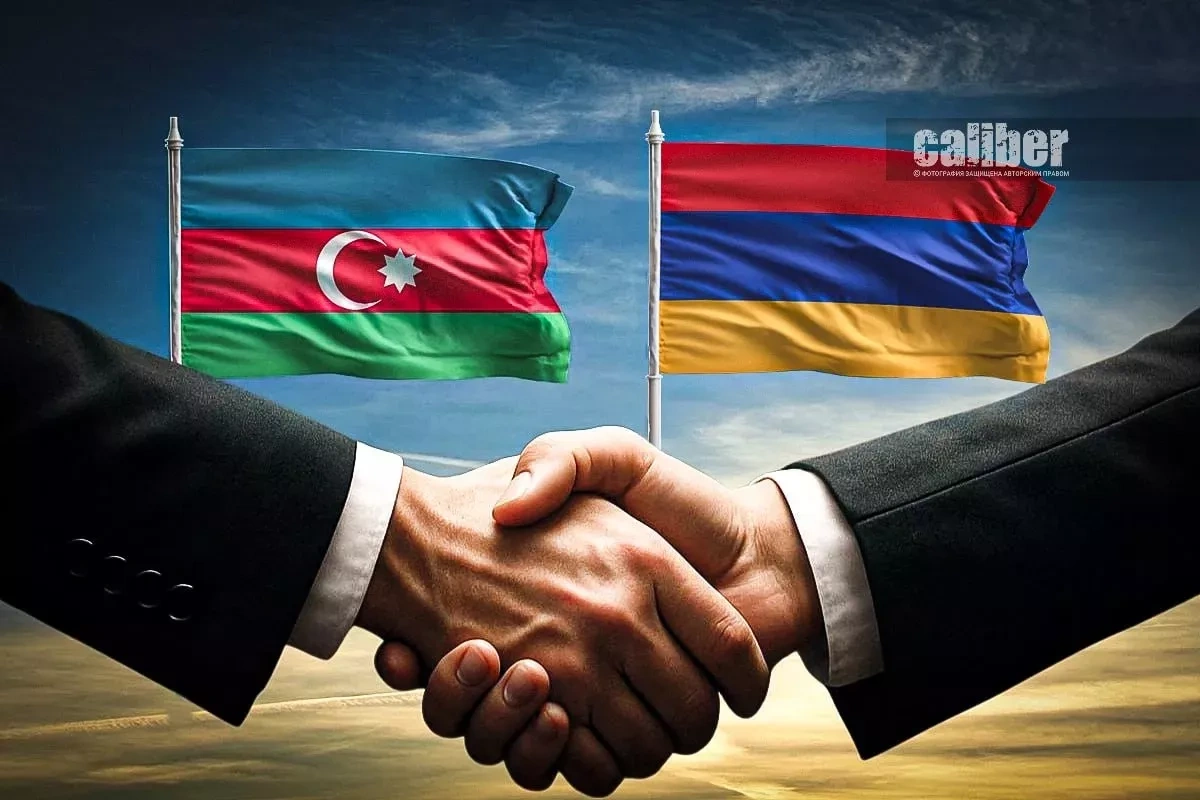
According to her, a separate dimension is linked to the peace process between Baku and Yerevan. Washington is interested in maintaining negotiation momentum and in ensuring that the region gradually transitions toward a more predictable framework of interaction. For U.S. diplomacy, the stability of the South Caucasus is connected not only to security issues, but also to future transport routes, energy chains, and trade links between Europe, Central Asia, and the Middle East. Armenia is viewed as a potential participant in these processes.
“This visit also carries a regional signal, and it is addressed to neighbouring states. Washington is demonstrating its interest in maintaining a sustained diplomatic presence in the South Caucasus and its readiness to participate in shaping new political and economic formats of cooperation.
If we look at the situation through the prism of Armenia’s domestic politics, the visit was primarily aimed at strengthening the sense of foreign policy predictability and international engagement at a moment when society is assessing the country’s future course. What matters here is not so much the concrete outcome of negotiations in the form of signed documents, but rather the political effect itself: to show that Armenia remains a visible participant in regional processes and possesses space for independent strategic manoeuvre,” Tsukerman concluded.