BAKU, Azerbaijan, May 21. Africa is already
facing a housing shortage of more than 60 million units, and if
current trends continue, that figure will exceed 130 million by
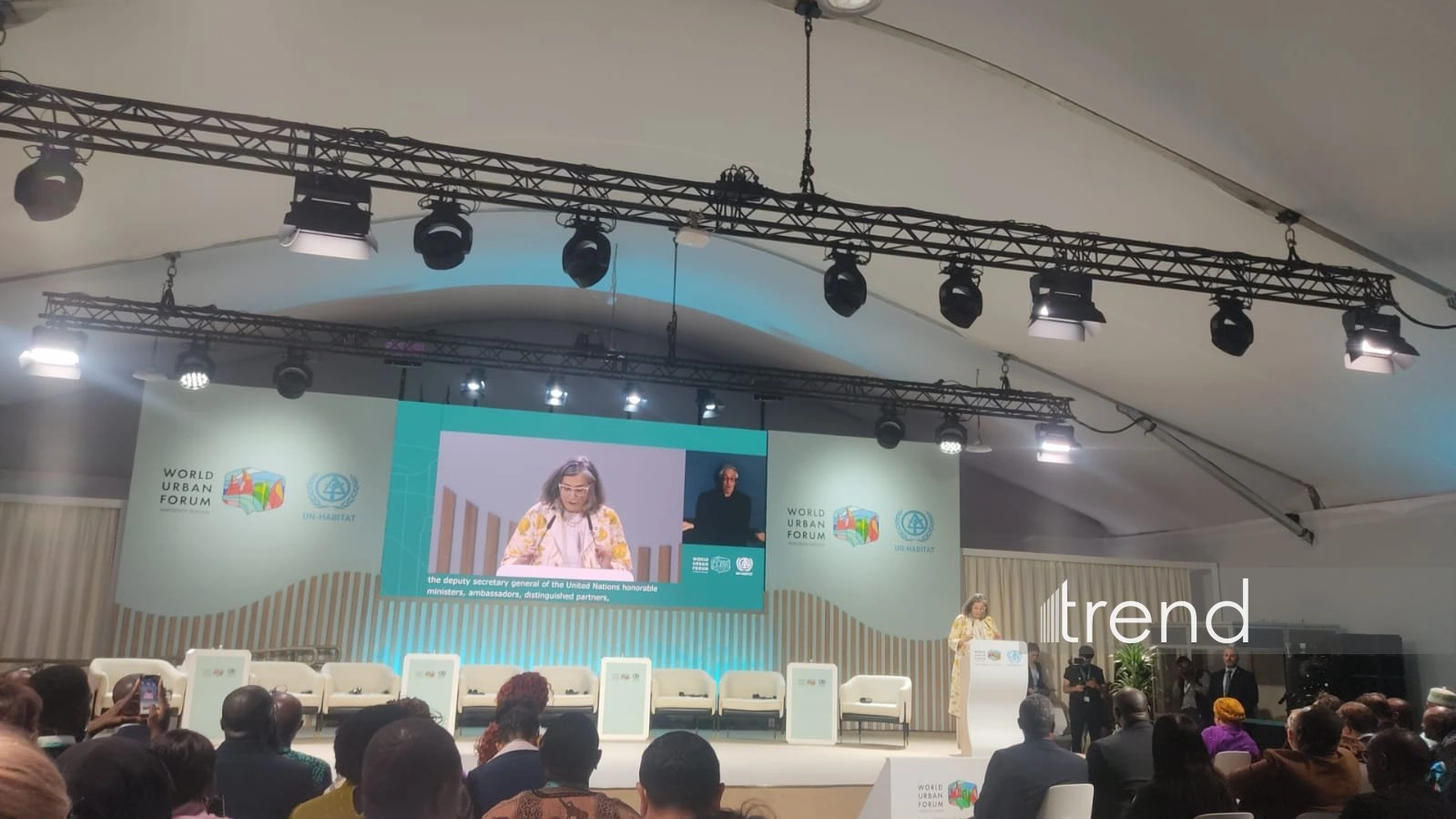
2030, UN-Habitat Executive Director, Anacláudia Rossbach said,
Trend reports.
She made the announcement during a discussion on “Africa
Affordable Housing Compact – Deal Room Investor Session,” organized
as part of the 13th World Urban Forum (WUF13).
According to her, the Affordable Housing Agreement will remain
in effect for the next 10 years:
“The investments needed to meet demand far exceed available
resources, and new approaches are required. Another important
factor is population growth.
By 2050, the number of people moving to African cities is
expected to increase from 600 million to 900 million. This funding
gap amounts to more than $1.4 trillion. “Urbanization on this scale
will put serious pressure on urban infrastructure as well as
housing, transportation, and service systems. These figures show
that in the coming years, we need smarter, more sustainable, and
more inclusive approaches to urban planning, not just
construction,” she noted.
Today marks the fifth day of WUF13 in Baku.
The first day included a ministerial meeting dedicated to the
New Urban Agenda, a ministerial roundtable, assemblies for women
and civil society, business sessions, and discussions on urban
prosperity. An official ceremony marking the raising of the UN and
Azerbaijani flags also took place.
The second day stood out for the inaugural Leaders' Summit,
featuring high-level discussions on the global housing crisis,
urbanization policy, and urban resilience. Concurrently, the
opening of the Mexico City pavilion took place, serving as a
significant platform for expanding cooperation with the Latin
American region and preparing for WUF14.
The third day of WUF13 featured a comprehensive program of
events covering the global housing crisis, the formation of safe
and inclusive cities, climate resilience, artificial intelligence
and urban governance, green urbanization, social equity, and
sustainable transport.
One of the highlights of the third day was the signing of a
sister-city memorandum between the Azerbaijani city of Shusha and
the Turkish city of Trabzon.
The fourth day of WUF13 featured a broad program of events
dedicated to urbanization, climate change, inclusive urban
development, housing policy, and sustainable governance.
One of the important events of the UN Special Program for the
Economies of Central Asia (SPECA) Cities Forum, held on the fourth
day, was the announcement of Almaty’s official accession to the
“Declaration of Intent on the Establishment of the SPECA Smart
Climate-Resilient Cities Forum.”
Also, for the first time in WUF history and at Azerbaijan’s
initiative, the “WUF13 NGO Forum: Global Partnership and
Decision-Making” was held.
WUF13, which has attracted more than 40,000 registered
participants from 182 countries, will continue until May 22. Held
under the theme “Housing the world: Safe and resilient cities and
communities,” the forum brings together governments, international
organizations, experts, and representatives of civil society to
strengthen global cooperation in the field of sustainable urban
development.