BAKU, Azerbaijan, May 16. Organization of
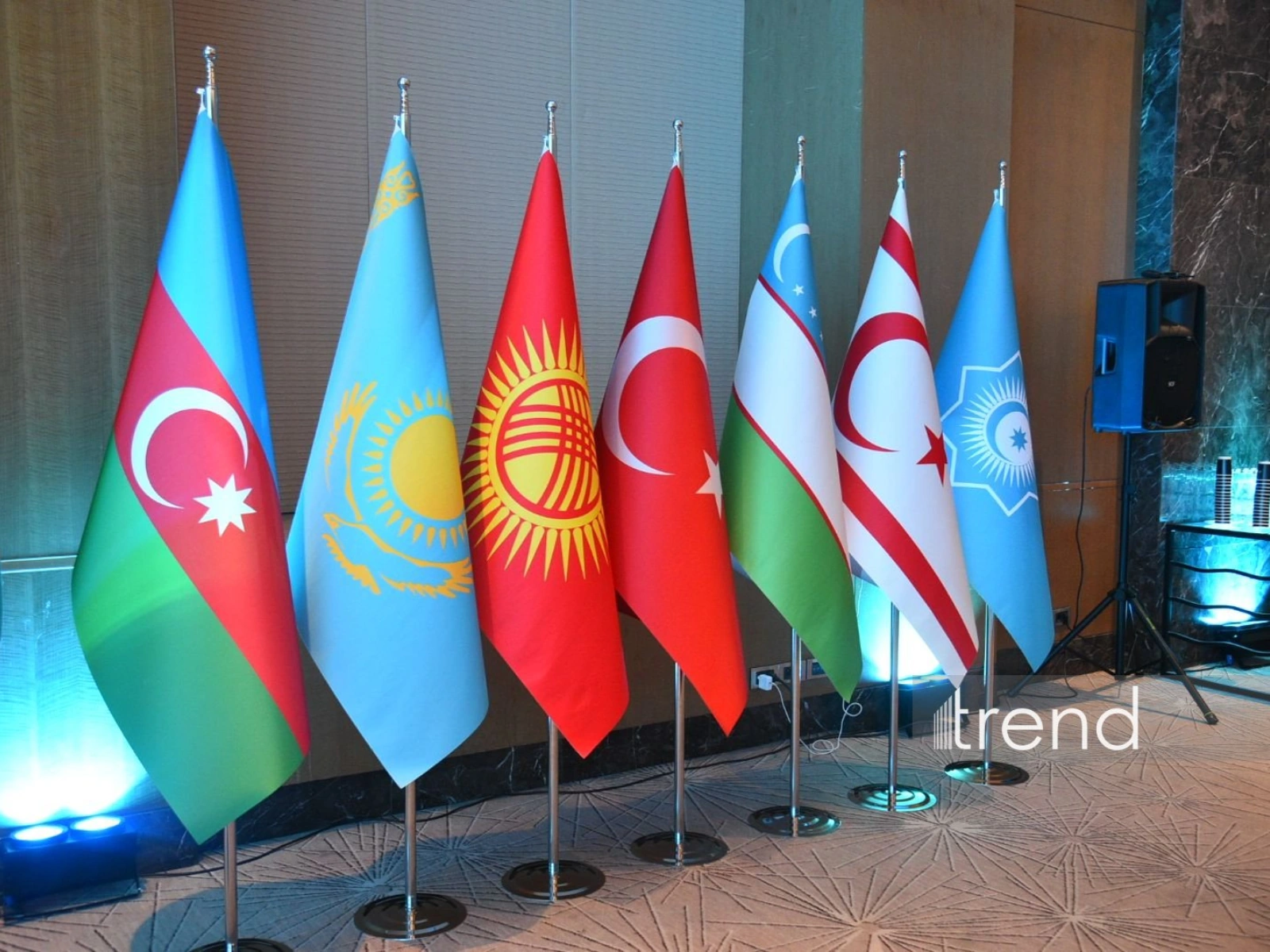
Turkic States (OTS) is becoming a more effective cooperation format
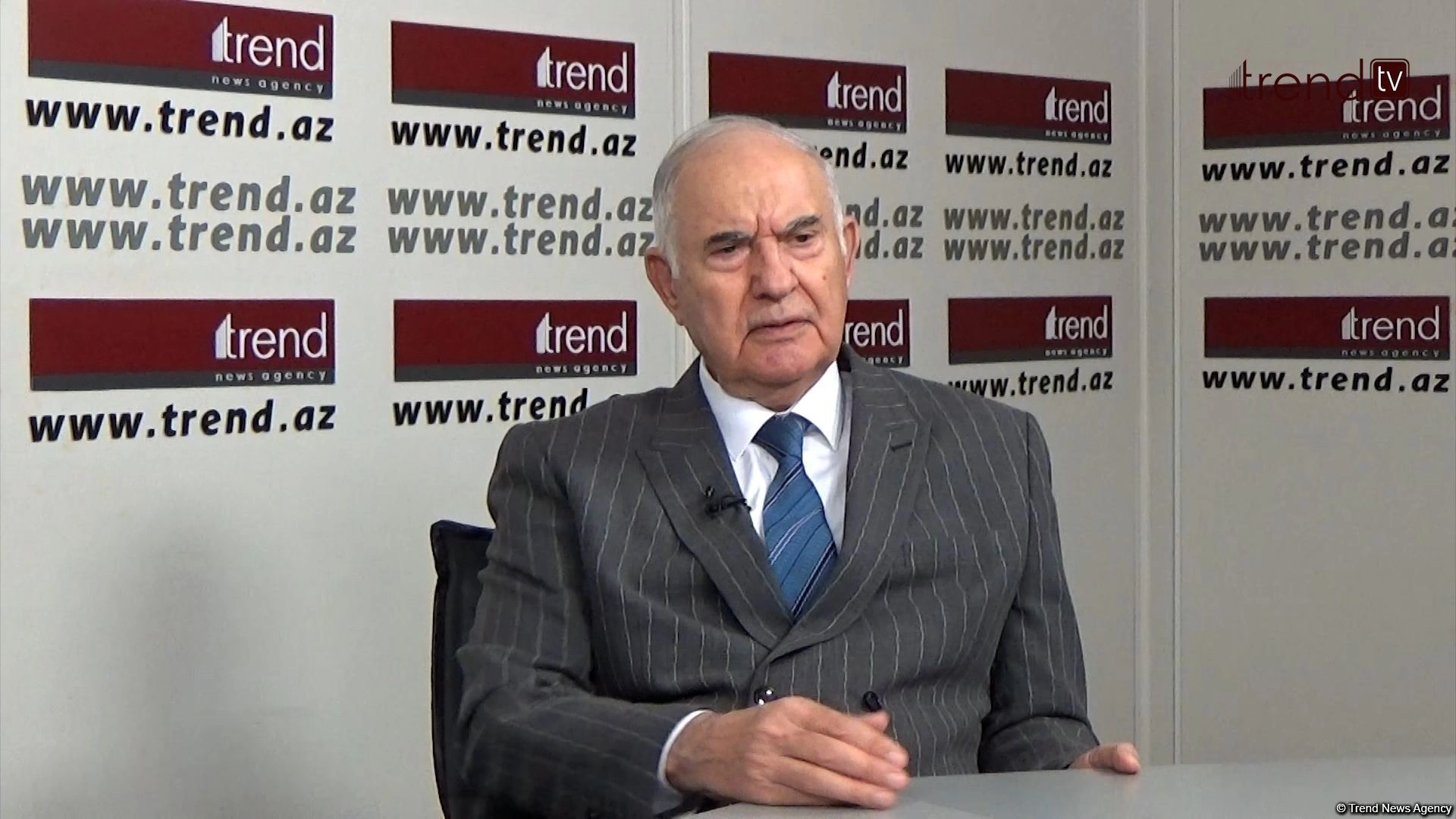
amid new geopolitical realities, Azerbaijani political analyst Azer
Garayev told Trend.
According to him, the role of regional cooperation platforms in
the modern system of international relations is rapidly increasing.
In particular, associations that bring together peoples with a
common history, language, and culture form a more sustainable
cooperation model from a geopolitical and economic perspective.
He said that in this regard, OTS has attracted attention in
recent years not only as a cultural-humanitarian platform, but also
as a space for political, economic, transport and technological
cooperation. The informal summit of the Heads of State of the OTS
held in Turkistan city is also one of the important events that
determine the future development trajectory of the
organization.
"Today, the OTS is no longer just a union of peoples sharing a
common past, but also a strategic cooperation platform formed
around common interests. Global geopolitical changes, energy
security, reshaping of logistics routes, and digital transformation
make coordination among Turkic states even more important. In this
context, Azerbaijan is one of the countries that stands out with
its special weight and initiatives within the organization.
Azerbaijan has been implementing a consistent policy towards
deepening cooperation within the OTS in recent years. In
particular, at the initiative of President Ilham Aliyev, the
institutional strengthening of the organization and the expansion
of the cooperation agenda are observed. It is no coincidence that
the first informal Summit of the Heads of State of the Turkic
States was held in Shusha, the cultural capital of Azerbaijan, in
2024. The fact that this initiative has already become a tradition
can be considered an indicator of Azerbaijan's active role within
the organization.
As President Ilham Aliyev emphasized during his speech in
Turkistan: "Today, the international standing of the Organization
of Turkic States is growing, and its role and position in global
affairs are strengthening." This statement accurately reflects the
current reality because the Turkic states play the role of a
strategic bridge between Europe and Asia in terms of energy,
transport and economic relations. In particular, the actualization
of the Middle Corridor further increases the geoeconomic importance
of the OTS countries," Garayev said.
According to him, Azerbaijan acts as one of the main players in
this process with its transit and logistics capabilities.
"The Baku-Tbilisi-Kars railway, international port
infrastructure, energy, and communication projects create
conditions for Azerbaijan to become a center uniting the Turkic
world. As President Ilham Aliyev noted: "In the current global
geopolitical environment, the importance of the Middle Corridor
continues further. The Zangezur Corridor, which is moving toward
realization, will become one of the key segments of the Middle
Corridor." This approach shows that Azerbaijan sees the OTS not
only as a political platform, but also as a real economic
integration mechanism.
At the same time, cooperation within the organization is no
longer limited to traditional areas. One of the main areas of
attention at the Turkistan Summit was digitalization and artificial
intelligence. Against the backdrop of the challenges of the 21st
century, technological transformation has an important place on the
agenda of Turkic states. The steps taken by Azerbaijan in this
direction are also noteworthy. The establishment of the National
Artificial Intelligence Center, the Artificial Intelligence Academy
in the country, and the adoption of the artificial intelligence
strategy indicate Azerbaijan's intention to transition to a new
technological stage.
In this sense, digital cooperation within the OTS may be one of
the main directions of the coming years. In particular, the Digital
Silk Road project and the commissioning of the Trans-Caspian
fiber-optic cable line will not only strengthen the digital
connection between the Turkic states, but also strengthen the
region's position on the international communications map," the
analyst said.
Garayev pointed out that it would not be right to limit
Azerbaijan's role in the OTS only to economic and transport
projects.
"Baku also plays the role of a platform for the cultural and
intellectual integration of the Turkic world. As President Ilham
Aliyev noted in his speech, in the coming month, it's planned to
hold the Turkic World Week, dedicated to the 100th anniversary of
the First Turcology Congress in Baku. In addition, the organization
of the OTS High-Level Dialogue on Urban Planning within the
framework of the 13th session of the UN World Urban Forum once
again demonstrates Azerbaijan's role as a bridge between
international and regional initiatives.
It's clear that the OTS is becoming a more effective cooperation
format against the backdrop of new geopolitical realities. The role
of Azerbaijan in this process isn't limited only to the status of a
participating country. Baku contributes to the future development
of the organization with its political initiatives, transport and
logistics capabilities, as well as ideas put forward in the
direction of digital and humanitarian cooperation. As President
Ilham Aliyev emphasized, "our family, the Turkic world, must grow
into one of the influential geopolitical centers of the 21st
century." It's evident that Azerbaijan continues to be one of the
leading actors in the realization of this goal," the analyst
added.