BAKU, Azerbaijan, May 6. The temperature
anomaly in Azerbaijan has been 1.1 degrees over the past 25 years,
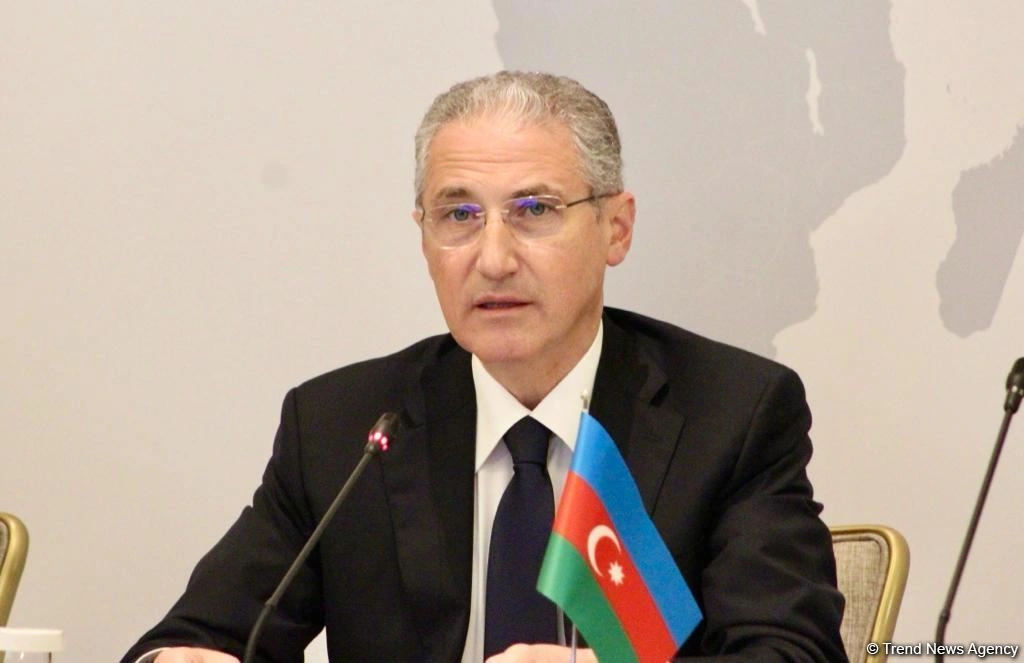
Representative of the President of Azerbaijan on Climate Issues,
Mukhtar Babayev, said at the Agribusiness Development Forum,
Trend reports.
According to him, climate change is also relevant for
Azerbaijan.
He pointed out that in 2025, the average temperature reached
14.3 degrees. This is 1.6 degrees higher than in previous periods.
The highest average temperature was 16.2 degrees in 2021. Heat
waves also occur more frequently and last longer. In recent years,
29 heat waves were recorded in Baku, 16 in Ganja, 41 in Sheki, and
five in Lankaran. The longest heat wave in 2025 lasted 14 days in
Sheki and 7 days in Baku.
The number of flood events has also grown. In 2015, there were
15, in 2020, there were already 36, and in 2025, there were 33
flood events. These figures show that we are no longer observing
changes. We are experiencing these changes. The first months of
2026 confirm this trend," the official explained.
He emphasized that in some regions, half of the annual
precipitation rate was recorded in just a few months. In April,
precipitation in some regions was 1.5-3.5 times higher than normal,
and in Baku 5 times higher.
Babayev noted that Azerbaijan has set specific goals in the
fight against climate change.
"According to the updated Third Nationally Determined
Contribution document, we have undertaken to reduce emissions by
40% by 2035 compared to 1990. At the same time, a long-term
low-carbon development strategy is being developed. Our country
joins the global methane pledge initiative and has declared its
support for global efforts to reduce methane emissions by 2030. In
order to achieve these goals, decarbonization measures across all
sectors should be integrated into state legislative documents.
Important reforms are being implemented in the agricultural
sector in accordance with the strategic priorities set by the
President of Azerbaijan and the adopted state programs. More
efficient use of resources, application of climate-resilient
approaches, and formation of modern agricultural and livestock
complexes are among the important steps taken," added the
official.
Stay up-to-date with more news on Trend News
Agency's WhatsApp channel