BAKU, Azerbaijan, April 6. Tensions around the
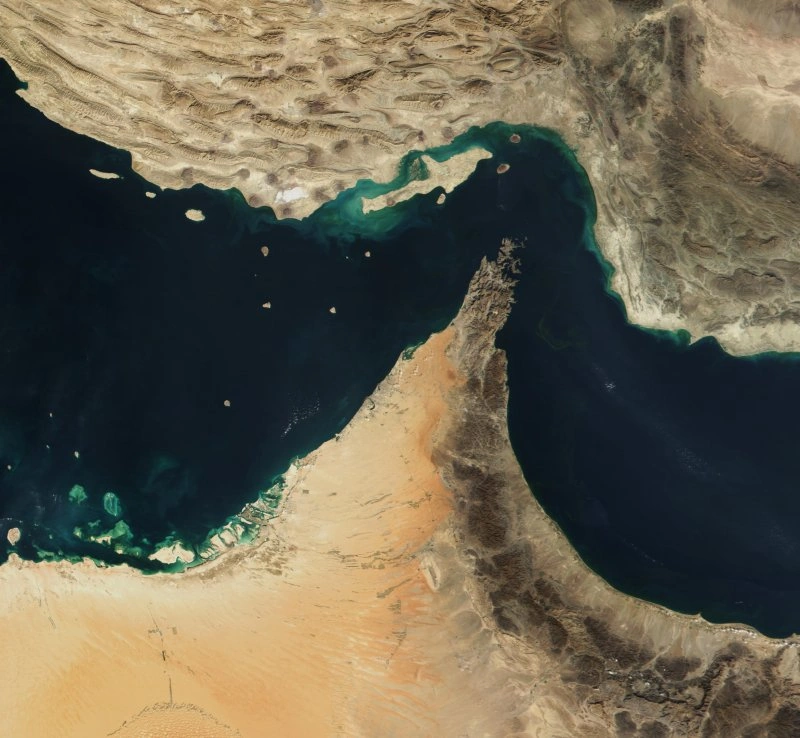
Strait of Hormuz are highlighting growing strains in the global
system that has long relied on rules and agreements to manage
geopolitical risk.
Iran’s threats to block the narrow waterway — a key transit
route for a significant share of the world’s oil and gas —
underscore how quickly strategic considerations can outweigh
established norms. When core national interests are involved,
formal frameworks often prove insufficient.
The potential consequences are immediate and far-reaching. Any
disruption in the strait would likely push energy prices higher,
strain industrial supply chains, and increase pressure on already
fragile economies, particularly in Europe.
For the European Union, the situation reinforces a persistent
challenge: ensuring stable and predictable energy supplies in an
increasingly uncertain environment.
Despite years of efforts to diversify supply, the European Union
still faces limited options. Stored reserves are shrinking,
competition for supplies is intensifying, and key transit routes
remain under pressure. Energy is no longer just a market issue — it
is a strategic one.
Against this backdrop, attention is shifting toward alternative
suppliers and corridors. Azerbaijan has emerged as an increasingly
important player in this context.
In recent years, the country has expanded gas exports to Europe
and invested in infrastructure linking the Caspian region with
Western markets. These efforts are closely tied to the development
of the Middle Corridor, also known as the Trans-Caspian
International Transport Route, which is gaining relevance as a
complementary
Azerbaijan’s positioning reflects a broader trend: countries
that can offer reliability and diversified routes are becoming more
valuable partners in a volatile geopolitical landscape.
At the same time, global energy flows are undergoing structural
changes. Strategic chokepoints are facing rising risks, while
competition over resources and transit access is intensifying.
Governments are placing greater emphasis on resilience,
flexibility, and control over supply chains.
Developments around Iran and the Strait of Hormuz serve as a
reminder that geopolitical factors remain central to energy
markets. They also underscore the importance of diversification —
not only in sourcing, but in transit infrastructure.
For Europe, this means accelerating efforts to broaden its
energy network and reduce exposure to high-risk routes.
For Azerbaijan, it creates an opportunity to deepen its role as
a supplier and transit hub connecting resource-rich regions with
global markets.
As the global environment continues to evolve, the balance
between cooperation and competition is shifting. Rules and
agreements remain relevant, but they are increasingly complemented
— and at times challenged — by strategic realities.
In this context, countries that can combine reliability with
strategic positioning are likely to play a more prominent role in
shaping the next phase of the global energy landscape.
Farid Bakhshaliyev
Deputy Director of Trend International News
Agency