BAKU, Azerbaijan, April 1. Azerbaijan has
imposed a nationwide ban on the import, export, production,
storage, sale, and use of electronic cigarettes, with penalties
taking effect today, Trend reports.
The measures stem from amendments to the law “On Tobacco and Tobacco
Products,” adopted on December 30, 2025, and effective from April
1, 2026.
Under the updated legislation, all activities related to
electronic cigarettes and their components, including import,
export, manufacturing, storage, wholesale and retail sale, as well
as usage, are now prohibited.
The law also introduces new definitions. A heated tobacco
product is described as a product made from tobacco or a tobacco
mixture combined with non-tobacco components, designed to deliver a
nicotine-containing aerosol through heating without combustion or
smoke. Such products are not classified as electronic
cigarettes.
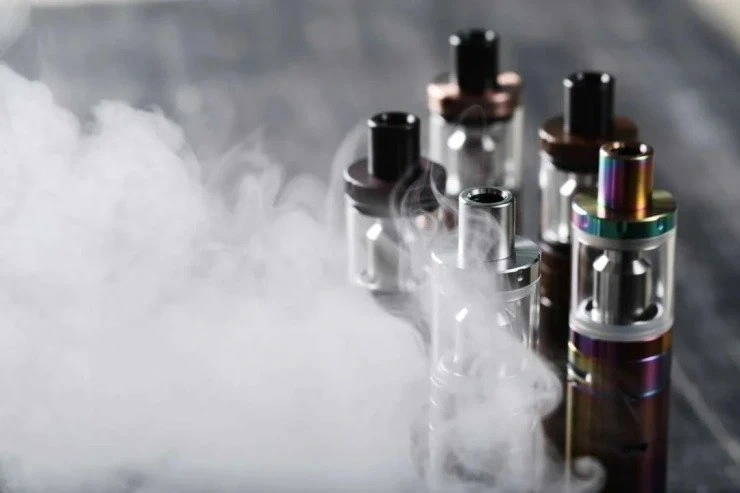
An electronic cigarette, in turn, is defined as a device,
excluding food products, tobacco products, medicines, and medical
devices, intended to deliver vapor, with or without nicotine, into
the human body through inhalation. These devices may include
components such as a mouthpiece, cartridge, or refillable
container.
In addition, nicotine-containing electronic cigarettes are now
legally classified as tobacco products.
Fines for violations have also been introduced under amendments to the Code of Administrative Offenses,
adopted on March 3 and effective from April 1, 2026.
Individuals using electronic cigarettes in places where tobacco
use is prohibited, including streets and other public areas, will
face a fine of 30 manat ($17.6).
For the import, export, production, storage, or sale of
electronic cigarettes or their components, confiscation of the
goods will apply, along with fines ranging from 350 ($205.8) to 500
manat ($294.1) for individuals, 1,650 ($970.6) to 2,200 manat
($1,294) for officials, and 4,000 ($2,353) to 5,000 manat ($2,941)
for legal entities.
President Ilham Aliyev has also signed a decree to
ensure the law's implementation and to introduce corresponding
amendments to related presidential decrees.