The Mobile World Congress (MWC), once again, brought together
leading players of the global communications and technology
ecosystem in Barcelona, serving as a key platform for discussing
industry trends, showcasing innovative solutions, and fostering
international collaboration. Inclusive business practices and the
digital well-being of younger generations were among the priority
topics addressed during the congress.
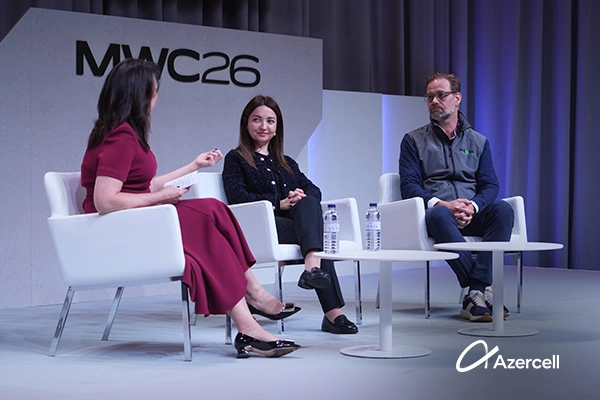
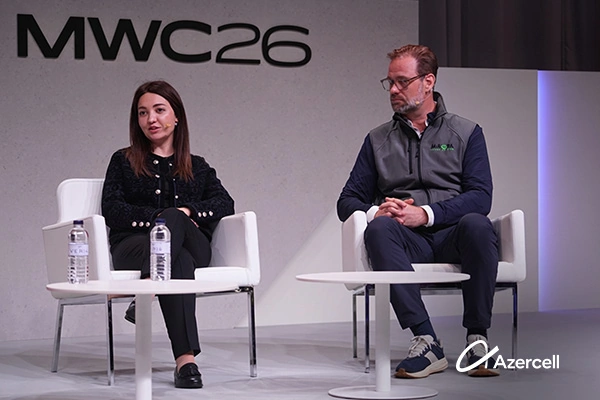
Dilara Huseynova, Chief Human Resources Officer of Azercell,
spoke at the event, highlighting the importance of fostering a more
inclusive environment in the technology sector: “As one of the key
enablers of Azerbaijan’s digital transformation, we clearly
recognize our responsibility to create equal opportunities in ICT
sector. Therefore, gender inclusivity remains one of the strategic
priorities of our company.”
Ms. Huseynova presented Azercell’s comprehensive approach to
developing the next generation of female ICT specialists from early
career orientation to supporting professional growth and building
leadership capabilities. “Particular emphasis is placed on
fostering interest and engaging girls in technology from an early
age, as well as creating favorable environment for their
sustainable participation in the industry,” she noted.
During the discussions Ms. Huseynova also highlighted the
company’s impactful social initiatives in this area. These included
Azercell’s support for the national girls’ team participating in
the International Informatics Olympiads and the “Uğur
qızlarımızındır” (“Success for Girls”) initiative. Special interest
of the audience was drawn to partnerships with non-governmental
organizations implemented under the company’s social program, aimed
at enhancing digital and entrepreneurial competencies among
women.
Azercell Telecom is a member of the GSM Association (GSMA) and
actively collaborates with the organization across a number of
areas. The company participated in the pilot implementation of the
EQUALS Gender Inclusivity Index - a global initiative designed to
advance gender equality in the digital age. The index promotes more
inclusive industry practices, challenges persistent stereotypes,
and supports the development of a more equitable digital
ecosystem.