ASTANA, Kazakhstan, February 10. Kazakhstan
aims to increase the share of wages in gross domestic product to
40% or higher as part of new measures to boost household incomes
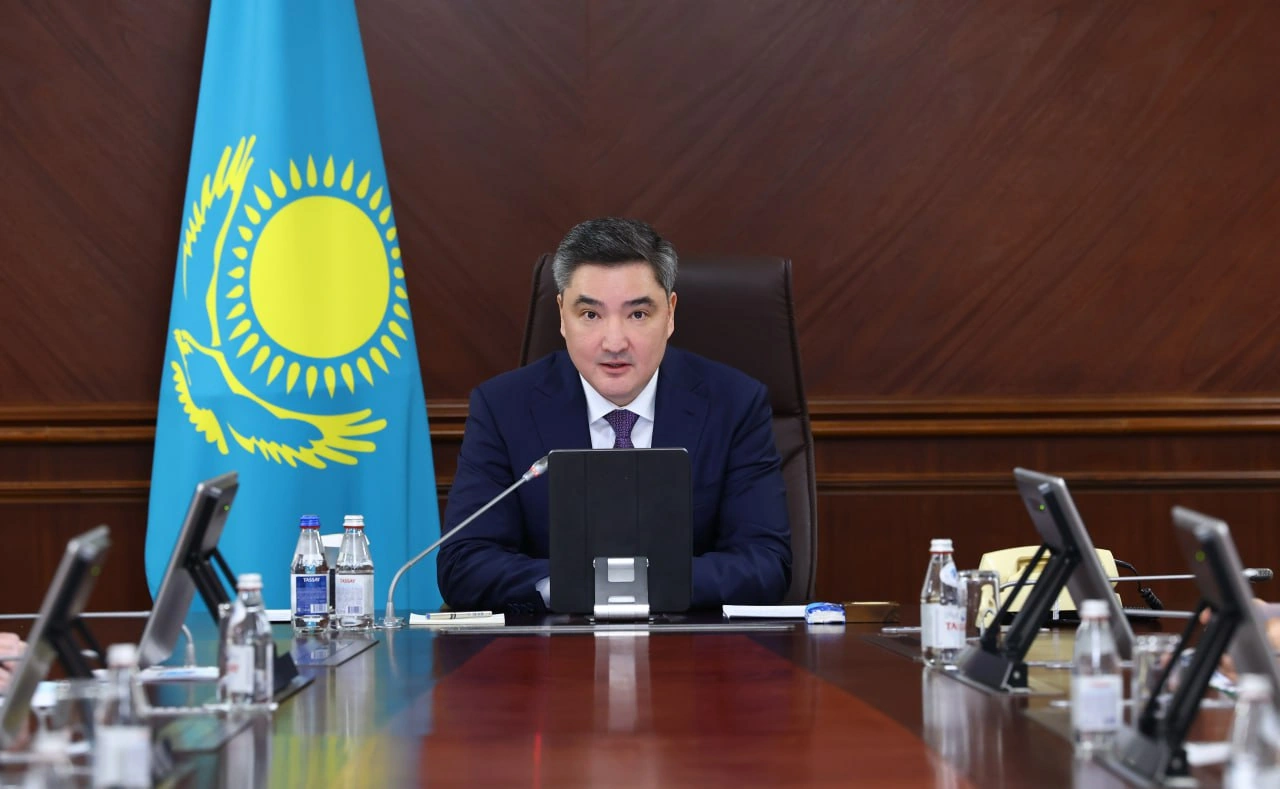
and reduce the financial burden on citizens, Prime Minister Olzhas
Bektenov said, Trend
reports via the press service of the Kazakh government.
Bektenov made the statement at an expanded Government meeting
chaired by President Kassym-Jomart Tokayev.
The Prime Minister emphasized that income growth among citizens
is currently trailing behind the overall pace of economic
expansion. At present, wages represent 31% of Kazakhstan’s GDP, a
figure that is relatively high for Central Asia, yet still falls
short of the levels seen in developed economies.
“The rate of wage growth is not keeping pace with the increase
in business profits, which include both independently generated
profits and those supported by state initiatives,” Bektenov
remarked.
He further stated that the Government is working on a
comprehensive package of measures designed to raise household
incomes. These measures encompass financial, tax, and other
incentive mechanisms aimed at boosting wages, expanding the
availability of well-paid jobs, enhancing professional skills and
qualifications, and alleviating the financial burden on
citizens.
The Prime Minister emphasized that the growth of real incomes
will be the Government’s key priority in 2026. This goal is
expected to be supported by systemic measures focused on launching
new production facilities, developing entrepreneurship, and
creating permanent jobs.
Special attention was also paid to digitalization. Bektenov
noted that under the Year of Digitalization announced by the
President, Kazakhstan is tasked with introducing advanced
technologies and artificial intelligence across all sectors and
building a digital state. However, he acknowledged that practical
implementation remains insufficient, with digitalization in the
real sector still at an early stage.
He added that existing gaps, including the incomplete formation
of sectoral databases, are expected to be addressed through the
Government’s Digital Qazaqstan strategy, which will consolidate all
digital initiatives into a single nationwide program.