ASTANA, Kazakhstan, January 28. Kazakhstan has
submitted an official request to the Office of Foreign Assets
Control (OFAC) of the U.S. Department of the Treasury regarding the
potential buyout of LUKOIL’s stakes in energy projects in the
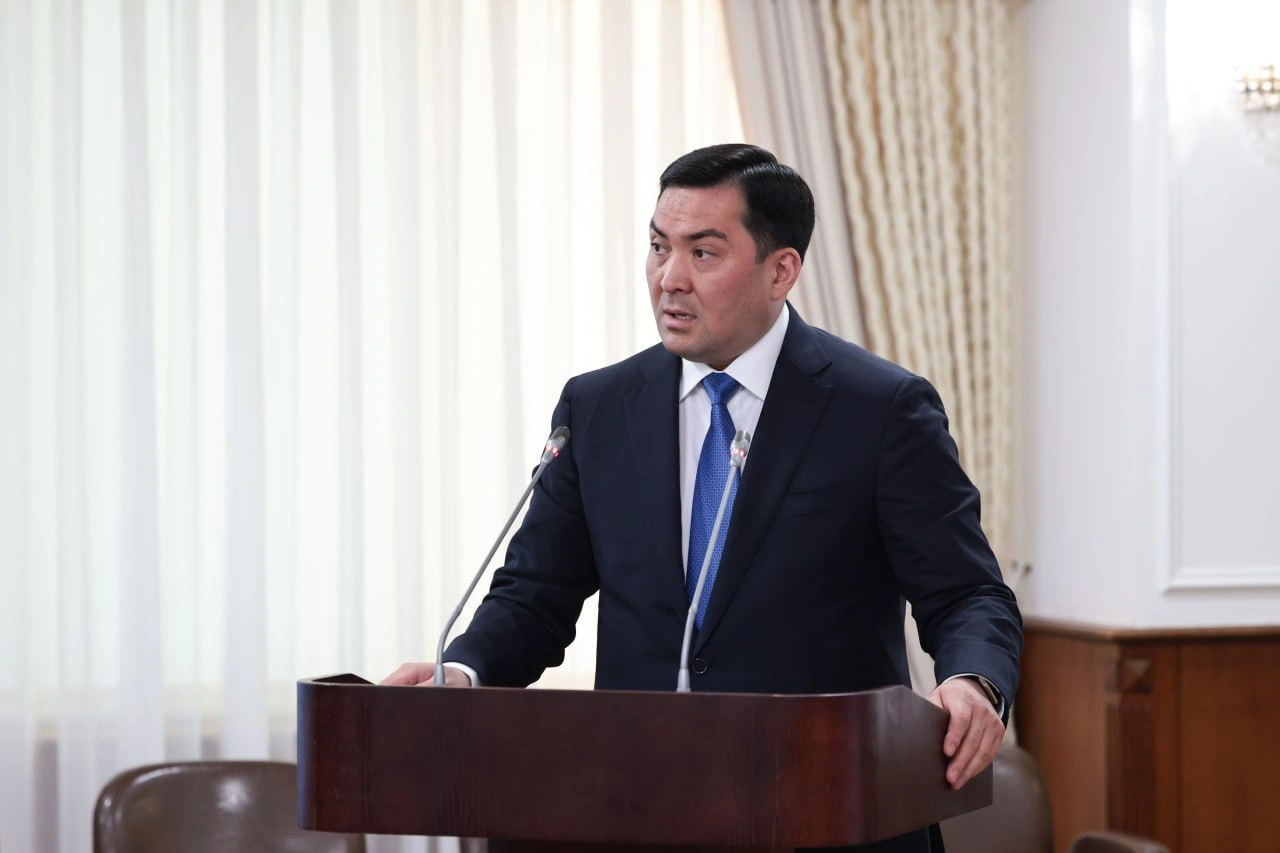
country, Energy Minister Yerlan Akkenzhenov said during a briefing
following a parliamentary session, Trend reports.
The minister stated that should LUKOIL opt to divest its assets
in Kazakhstan, the nation possesses the legal authority to activate
its preemptive purchase option.
LUKOIL holds stakes in several major energy projects in
Kazakhstan. According to information published on the official
website, the company joined the Karachaganak oil and gas condensate
field project in 1997. The field, located in the West Kazakhstan
region, is one of the world’s largest oil and gas condensate
fields. The project operator is Karachaganak Petroleum Operating
B.V.; LUKOIL’s stake amounts to 13.5%.
LUKOIL also participates in the Tengiz project, which includes
the Tengiz and Korolevskoye fields located in the Atyrau region,
around 150 kilometers from the city of Atyrau. The operator of the
project is Tengizchevroil LLP, with LUKOIL (through LukArco)
holding a 5% stake.
In addition, LUKOIL owns a 12.5% stake in the Caspian Pipeline
Consortium (CPC). The CPC pipeline runs from the Tengiz field to
Novorossiysk in Russia, crossing Kazakhstan’s Atyrau region and
four Russian regions: Astrakhan, the Republic of Kalmykia,
Stavropol Territory, and Krasnodar Territory.
It also operates the LUKOIL Lubricants Central Asia plant
located in Kazakhstan’s Almaty region.
The U.K. (on October 15) and the U.S. (on October 22) included
LUKOIL in their sanctions lists. Following this, LUKOIL announced
its intention to sell its international assets. At the same time,
OFAC exempted the Caspian Pipeline Consortium and Tengizchevroil
from sanctions.
The U.S. Department of the Treasury's Office of Foreign Assets
Control (OFAC) is responsible for the administration and
enforcement of economic and trade sanctions aligned with U.S.
foreign policy and national security objectives. It focuses on
international entities, governments, extremist groups, drug
dealers, and individuals posing risks to U.S. security, employing
measures like asset freezes and trade limitations.
Stay up-to-date with more news on Trend News
Agency's WhatsApp channel