BAKU, Azerbaijan, October 8.
The Board of Directors of the Asian Infrastructure Investment Bank
(AIIB) has approved $45 million in non-sovereign financing for the
project to build Azerbaijan's first large-scale seawater
desalination plant.
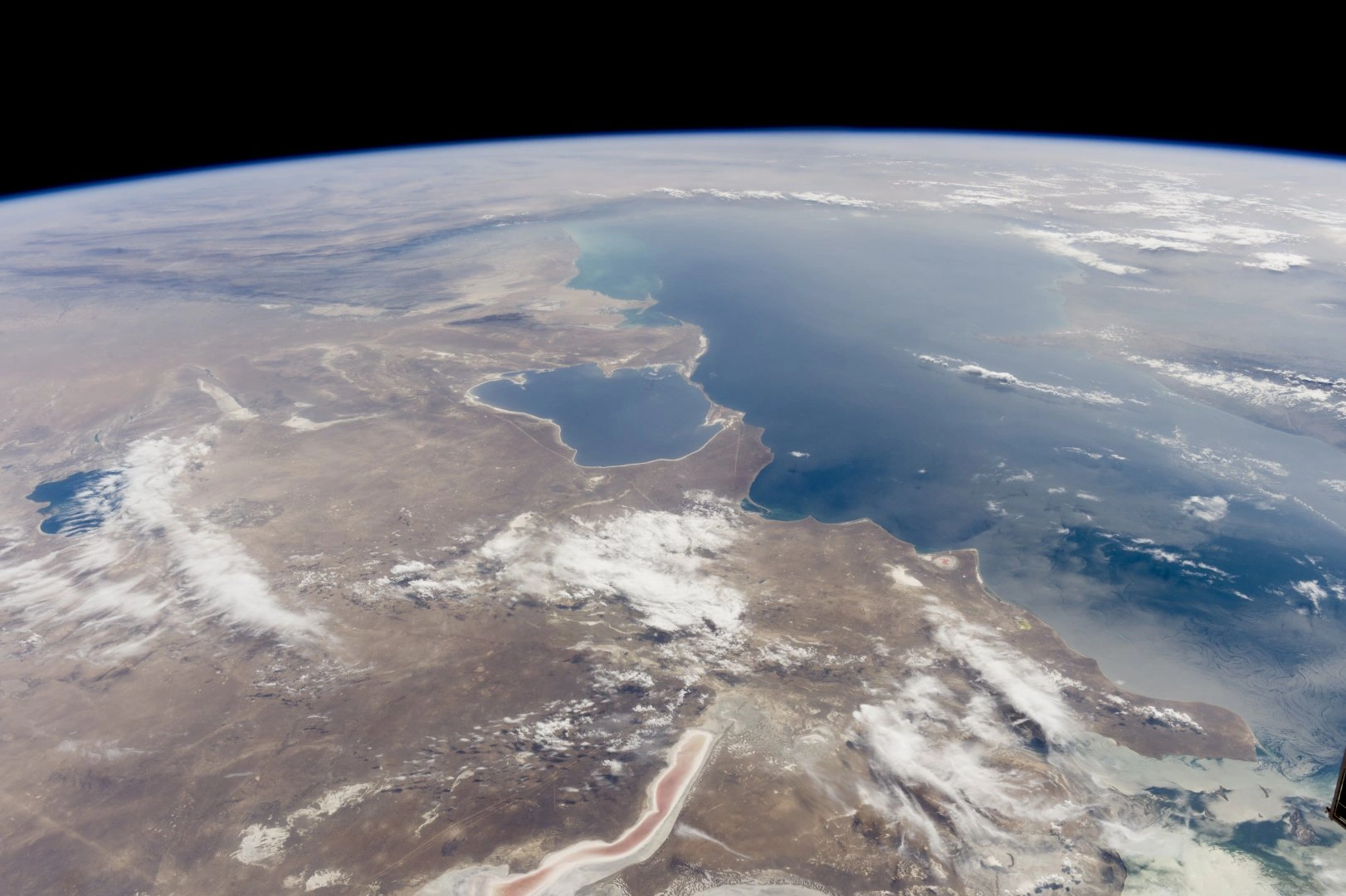
The project entails the design, construction, and operation of a
seawater reverse osmosis desalination plant capable of producing
approximately 300,000 cubic meters of drinking water per day from
the Caspian Sea.
The plant will be located on the Caspian coast within the
industrial zone of Sumgayit. The bank noted that this will be
Azerbaijan's first large-scale seawater reverse osmosis
desalination plant, as well as the first public-private partnership
project in the country's water sector.
According to AIIB project details, a public-private partnership
agreement has been signed for a 25-year term between the project
sponsor, ACWA Power, and the water off-taker, the State Water
Resources Agency of Azerbaijan. Meanwhile, the Ministry of Finance
of Azerbaijan is providing a guarantee mechanism for payment
obligations during the operational period.
Currently, ACWA Power is the sole sponsor of the project. A
separate company has been established for the project and will act
as the borrower within the financing framework.
The main objective of the project is to expand drinking water
supply capacity in Azerbaijan and strengthen the resilience of the
water system.
Project will be implemented with due
regard for ecological characteristics of Caspian
Sea
According to the AIIB's assessment, the project has been
classified as Category B in terms of environmental and social
risks. The Bank indicates that the primary risks are associated
with offshore construction activities, seawater intake and the
discharge of saline water back into the sea, as well as
contamination resulting from past activities at the industrial
site.
The project involves the installation of pipelines approximately
2 kilometers in length for seawater intake and wastewater discharge
during the plant's construction. Appropriate measures will be taken
to minimize the impact of these activities on seawater quality and
benthic marine life.
The AIIB noted that the discharge of saline water and other
wastewater into the sea will be the primary environmental issue
during the plant's operation. The project design includes a
discharge system that ensures the rapid dispersion of saline water
at a distance of several hundred meters from the shore. According
to the bank, assessments indicate that the project is not expected
to cause significant or irreversible negative impacts on
biodiversity, including the Caspian seal. Furthermore, long-term
monitoring of marine biodiversity and water quality will be
conducted as part of the project.
The project is planned to be implemented within an existing
industrial area and does not require land acquisition. However, the
bank noted that the water transmission pipeline may result in
limited impacts on livelihoods, and such instances will be
addressed through appropriate compensation and other measures.
According to the AIIB, environmental and social assessments,
stakeholder consultations, and public hearings have been conducted
for the project. Mechanisms have been established to manage
environmental and social risks during the construction and
operational phases, as well as to handle grievances from
individuals affected by the project.