BAKU, Azerbaijan, October 6. The economic
effect of implementing artificial intelligence solutions in
Kazakhstan's fuel and energy sector is expected to reach about 23
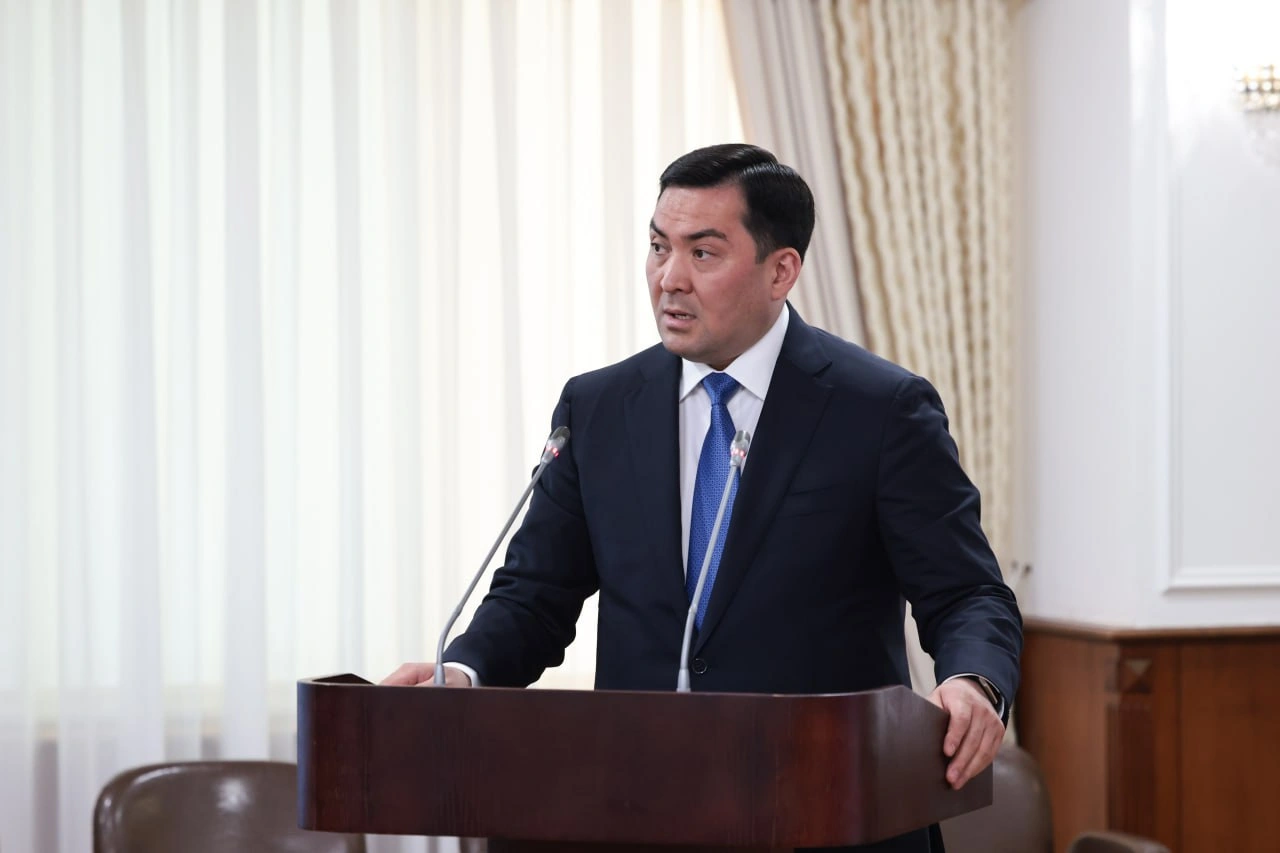
billion tenge ($50.6 million) annually, Minister of Energy Yerlan
Akkenzhenov said at a government meeting.
According to the press service of the Kazakh government,
Akkenzhenov said the country aims to shift the energy sector from
responding to emerging problems to predicting them. Under the
Digital Qazaqstan strategy, the Ministry of Energy plans to
implement 20 measures through 2029 in three key areas: digital
twins, artificial intelligence and cyber-physical security.
According to the minister, the measures are expected to reduce
the accident rate at energy facilities by 25% and cut energy
resource losses by up to 90%.
Akkenzhenov said the ministry has formed a portfolio of 45
artificial intelligence projects, 34 of which are currently being
implemented. In the oil and gas sector, AI is used to plan the
turnover of petroleum products with an accuracy of up to 85%,
generating an economic effect of up to 22.5 billion tenge ($49.5
million) per year, he said.
In the gas sector, the technology is used to forecast
consumption with an accuracy of up to 86%, with an economic effect
of 300 million tenge ($659,370) annually, according to Akkenzhenov.
Another 370 million tenge ($813,223) is expected to be generated
through industrial safety solutions.
"The combined economic effect of the three solutions is about 23
billion tenge per year," Akkenzhenov said.
By the end of the year, the Ministry of Energy, together with
the authorized state body, plans to approve a priority register of
AI-based solutions. This is expected to allow companies to scale
successful projects across the sector.
Digital twins will combine data on production facilities and
help assess the potential consequences of decisions in advance.
According to the ministry, a pilot project at an Embamunaigas field
combines data on the reservoir, wells and production
infrastructure. If the solution is scaled up, additional oil
production could reach up to 2.9 million tons.
A digital twin of Astana's energy system is also being developed
in the capital, with expected fuel savings of more than 2.5%.
Cyber-physical security measures include protecting industrial
systems from cyber threats and providing physical protection for
facilities. In 2026, the first industry-wide ENERFORT 2026 cyber
exercise was held at Kazakh National University, bringing together
more than 120 specialists. The exercises are planned to be held
annually.
The ministry also plans to expand online monitoring of
equipment. The share of key equipment connected to such monitoring
is expected to increase from 20% in 2026 to 70% in 2028. This will
allow malfunctions to be detected in advance and repairs to be
planned accordingly.
At the same time, the traceability of energy resources from
production to consumption will be expanded from 20% in 2026 to 80%
in 2028. The system will include tracking the movement of oil and
petroleum products from wells to filling stations.
The exchange rate used by Trend is $1 = 454.98 tenge.