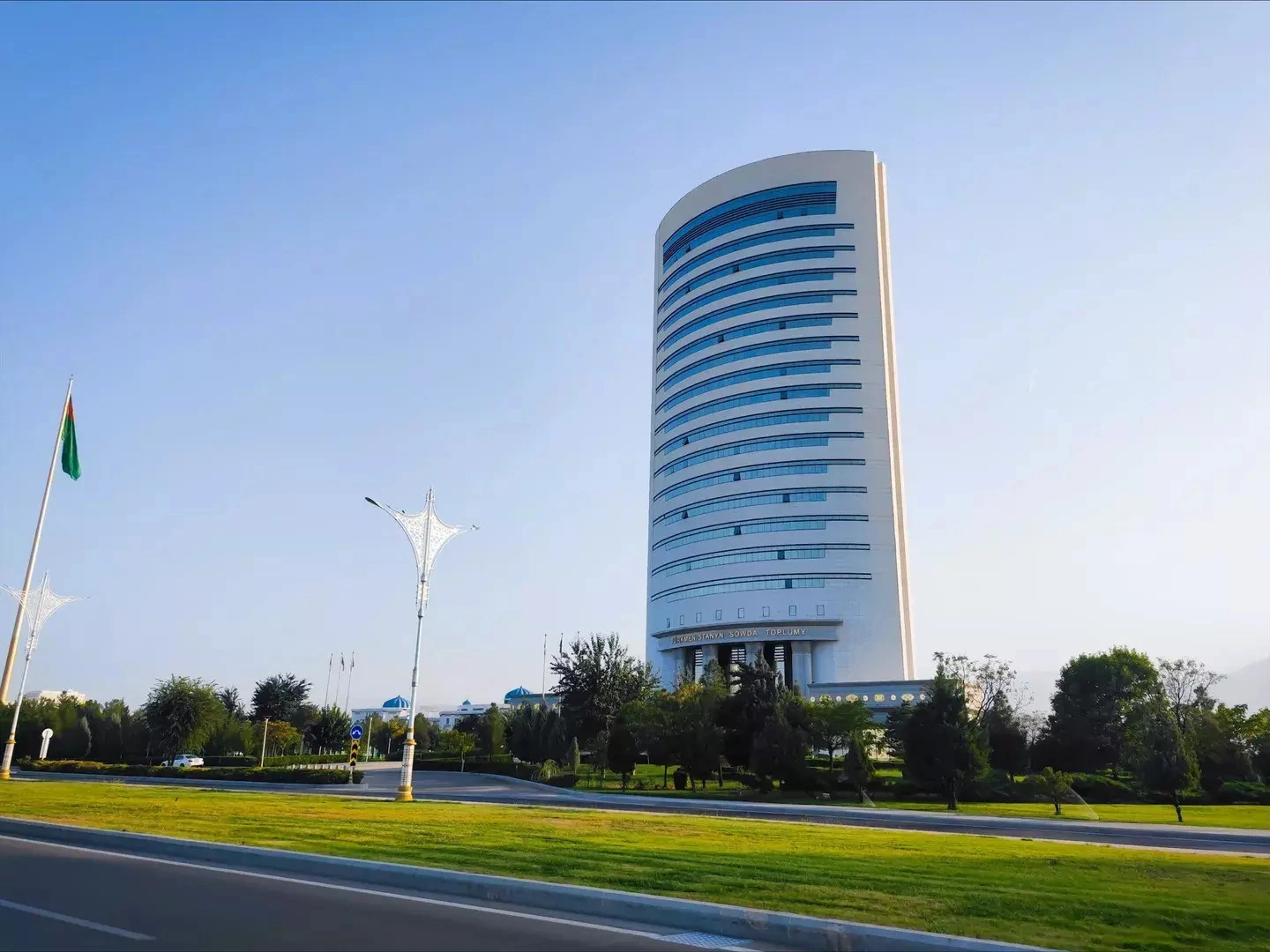
BAKU, Azerbaijan, October 5. The State
Commodity and Raw Materials Exchange of Turkmenistan registered 10
deals over the week starting from September 28 to October 3.
This was reflected in a press release published by the press
service of the Turkmen government.
According to the publicaion, business representatives from the
Türkiye, Kyrgyzstan and UAE purchased cotton fiber and cotton
fabric for foreign currency.
The total value of foreign-currency deals exceeded $9.5
million.
On the domestic market, local businesses purchased low-sulfur
fuel oil from the Turkmennebit State Concern and cotton yarn.
The total value of these transactions exceeded 641.2 million
manat ($183.2 million).
The State Commodity and Raw Materials Exchange of Turkmenistan
(SCRMET), established in 1994, is the country’s main organized
marketplace for trading commodities and one of the key institutions
through which Turkmenistan conducts and facilitates foreign trade.
The exchange brings together domestic producers, exporters, and
foreign buyers through regular trading sessions, where a range of
export-oriented goods are offered and transactions are concluded.
Its trading portfolio covers petrochemicals, polymers, textiles,
cotton products, construction materials, machinery, and chemical
goods, among other commodities.
SCRMET also plays an administrative and information role in
Turkmenistan’s trade system. In addition to organizing trading
sessions and registering export-import contracts, the exchange
publishes official quotations based on transactions conducted on
the platform. These quotations provide information on the
commodities traded, their values, and the markets involved, making
SCRMET data a useful indicator of the composition and direction of
exchange-based trade.
Through these quotations, SCRMET provides a snapshot of the
value and sectoral composition of goods offered to international
buyers during each trading session, reflecting shifts in the
country’s export offering and highlighting which industries
dominate Turkmenistan’s exchange-based trade.