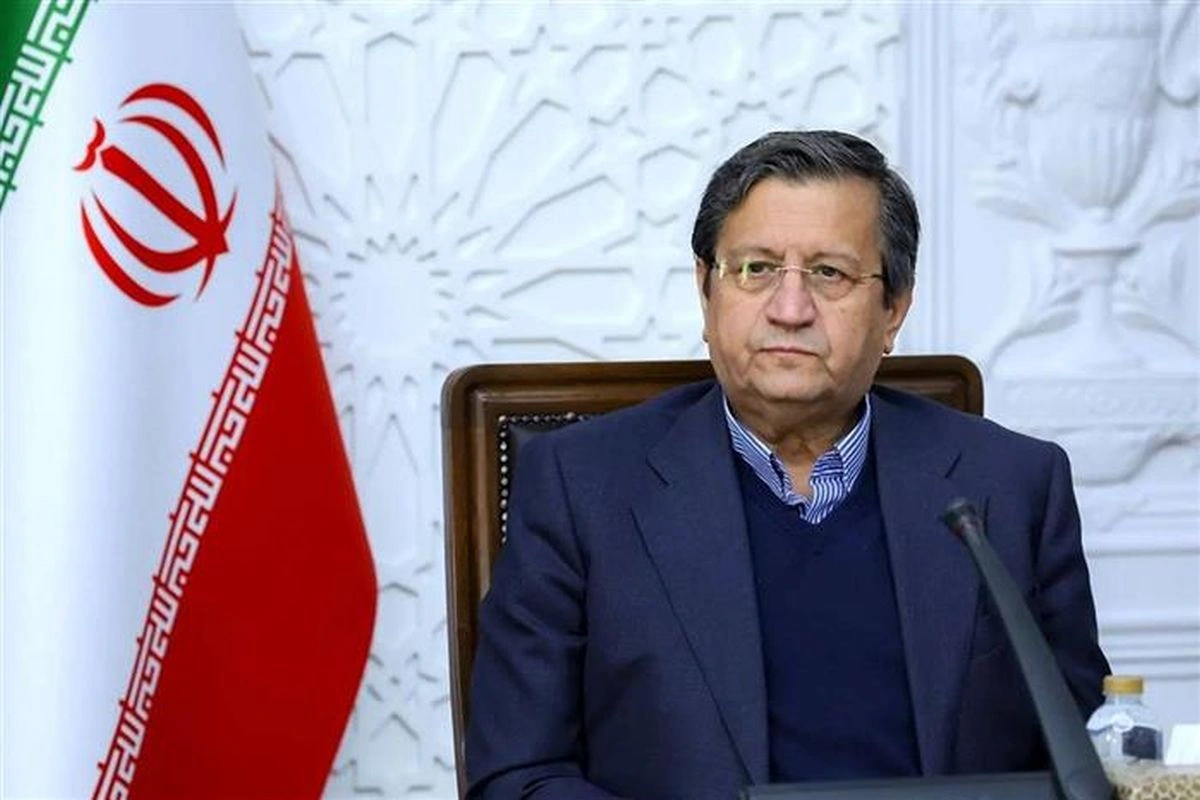
BAKU, Azerbaijan, October 5. Liquidity growth
in Iran reached 20.7% during the first six months of the current
Iranian year (March 21–September 22, 2026).
According to the Central Bank of Iran, Central Bank
Governor Abdolnaser Hemmati said this.
“Following the Central Bank’s strict oversight of the
monetary base and banks’ liquidity creation process, annual
point-to-point growth declined from 54.4% in the fifth month (July
23–August 22) to 51.6% in the sixth month (August 23–September
22),” he said.
Hemmati said the opposing sides had hoped that daily
liquidity growth and a resulting continued increase in inflation
would create further problems for Iran’s economy amid the economic
war. However, they will not achieve this outcome, he said.
The Central Bank governor said the bank, in
coordination with relevant state institutions, is working to
strengthen economic growth by making bank lending more productive,
bringing liquidity growth under control and expanding the use of
financial instruments.
“Since the US and Israel failed to achieve their
objectives in the military war against Iran, they have now entered
the economic war phase and targeted the financial sector and
foreign exchange market. The Central Bank takes measures to manage
the foreign exchange market when it deems necessary, based on its
legal authority,” he said.
It should be recalled that the latest escalation in
US-Iran relations began on July 8. On that day, the US armed forces
launched several waves of strikes on Iranian territory, for the
first time after a memorandum was signed between Washington and
Tehran, claiming the strikes were in response to an attack on a
commercial vessel in the Strait of Hormuz.
On the same day, US President Donald Trump announced
that the ceasefire with Iran had been terminated. In response,
Tehran began striking US facilities located in Bahrain, Jordan,
Qatar, Kuwait, the UAE and Oman.
The conflict brought maritime trade through the
Strait of Hormuz to a standstill.