BAKU, Azerbaijan, September 28.
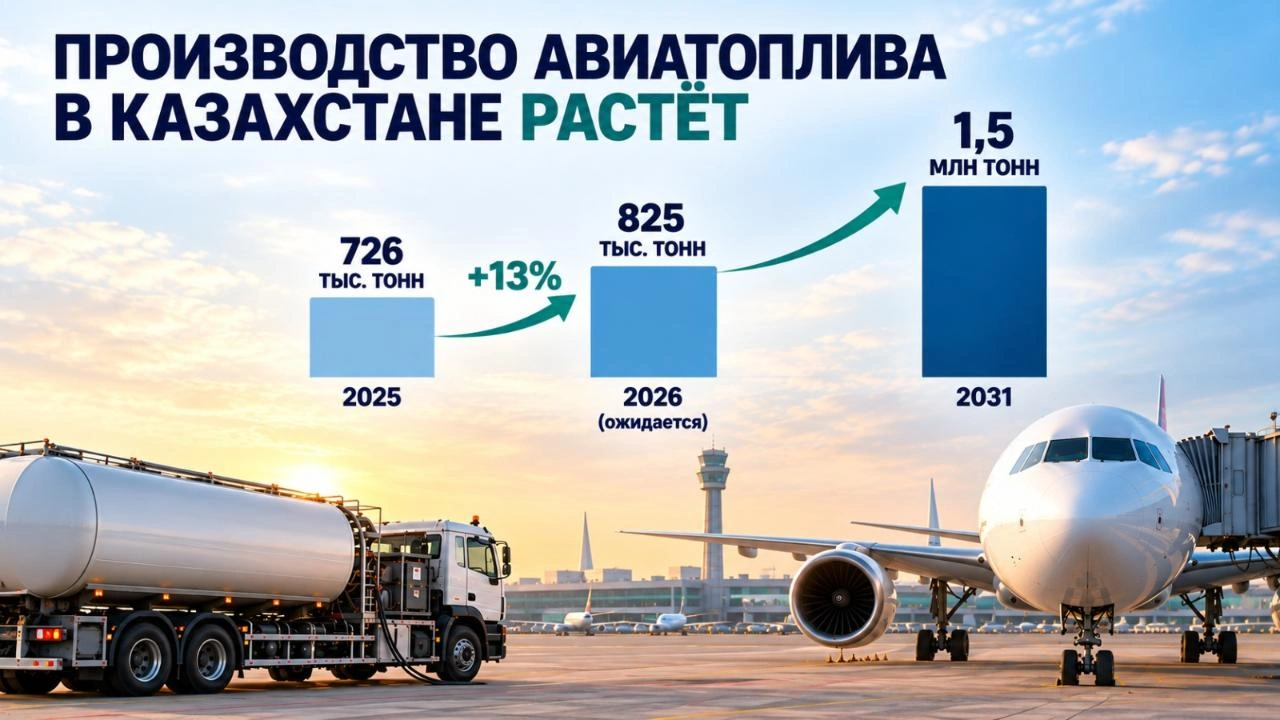
Kazakhstan is expected to produce 825,000 tons of aviation fuel in
2026, up 13% from 726,000 tons produced in 2025, the Kazakh
Ministry of Energy’s press service reported.
“According to the plan, 750,000 tons of aviation fuel
was scheduled to be produced in 2026. At the same time, 591,000
tons has already been produced in eight months,” the ministry
said.
Domestic aviation fuel production is expected to
continue increasing, reaching 1.5 million tons by 2031, according
to the ministry.
“Domestic aviation fuel fully covers the needs of
Kazakhstan’s civil aviation, security sector, civil protection and
the state material reserve. The annual domestic demand of passenger
aviation amounts to 680,000 tons,” the ministry said.
According to the Kazakh government, aviation fuel in
Kazakhstan is supplied to foreign airlines including Turkish
Airlines, MNG Airlines, Cargolux, China Southern Airlines, Hong
Kong Air Cargo, Fly Meta, Saudi Arabian Airlines, Air Atlanta,
Hungary Airlines, Silk Way West Airlines, Easy Charter, Camex
Airlines, My Freighter, Fly Khiva and Aerotrans.
As of August, KMG-Aero had supplied more than 50,000
tons of aviation fuel to foreign airlines since the beginning of
2026, including Turkish Airlines, Flydubai, Pegasus and Air
Atlanta, the government said. This helped Kazakhstan maintain the
lowest aircraft refueling costs in the region, according to the
statement.
Under Kazakhstan’s Concept for the Development of the
Oil Refining Industry, domestic production of aviation kerosene is
expected to more than double to 1.7–1.8 million tons per year by
2032. Kazakhstan’s refineries are also technologically ready to
produce Jet A-1 fuel, while airports are gradually upgrading their
fuel infrastructure to enable certification under Joint Inspection
Group (JIG) standards, according to the government.
Kazakhstan’s airports handled 102,500 tons of cargo
in January–July 2026, with Almaty accounting for more than 64% of
the total. A 500-hectare cargo hub and logistics cluster is being
developed in Almaty, while cargo infrastructure is also being
expanded in Aktobe, Karaganda and Aktau.