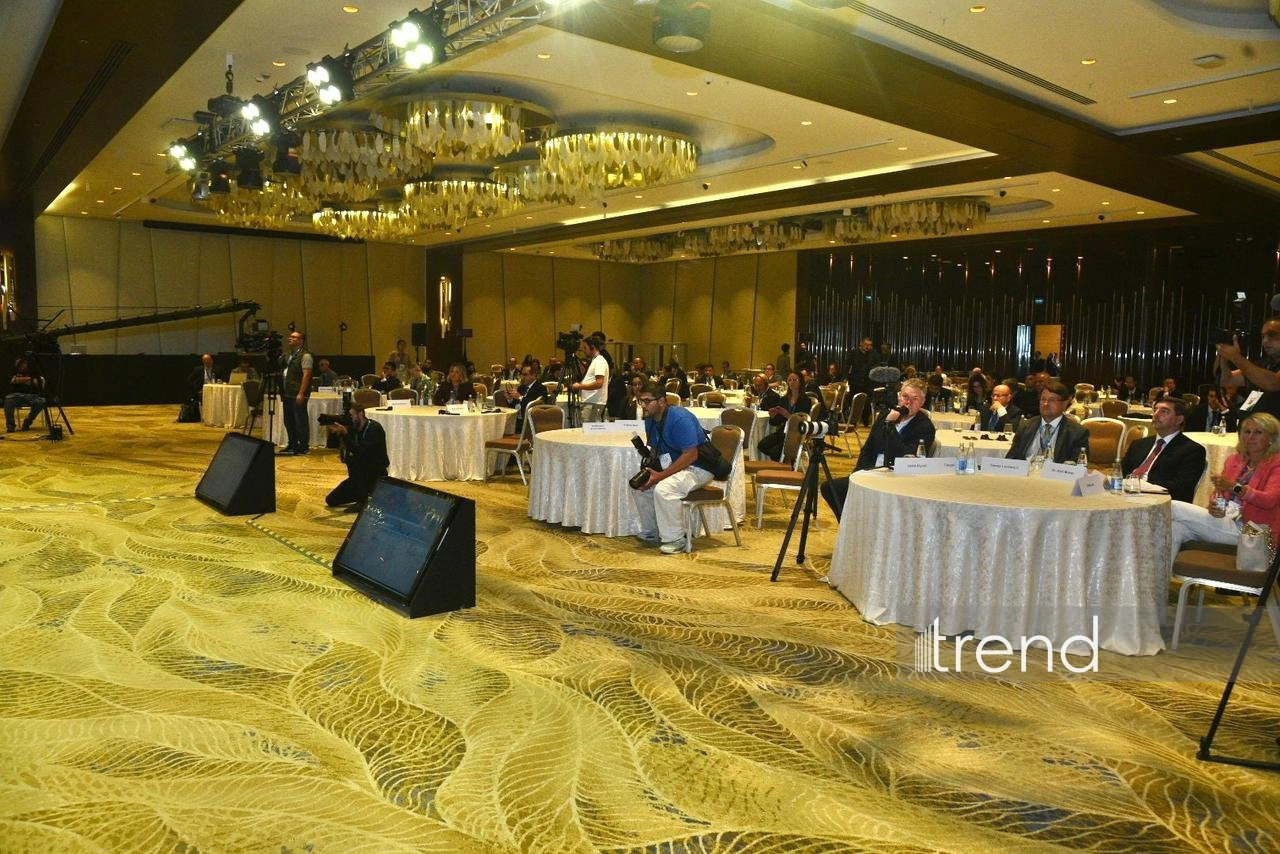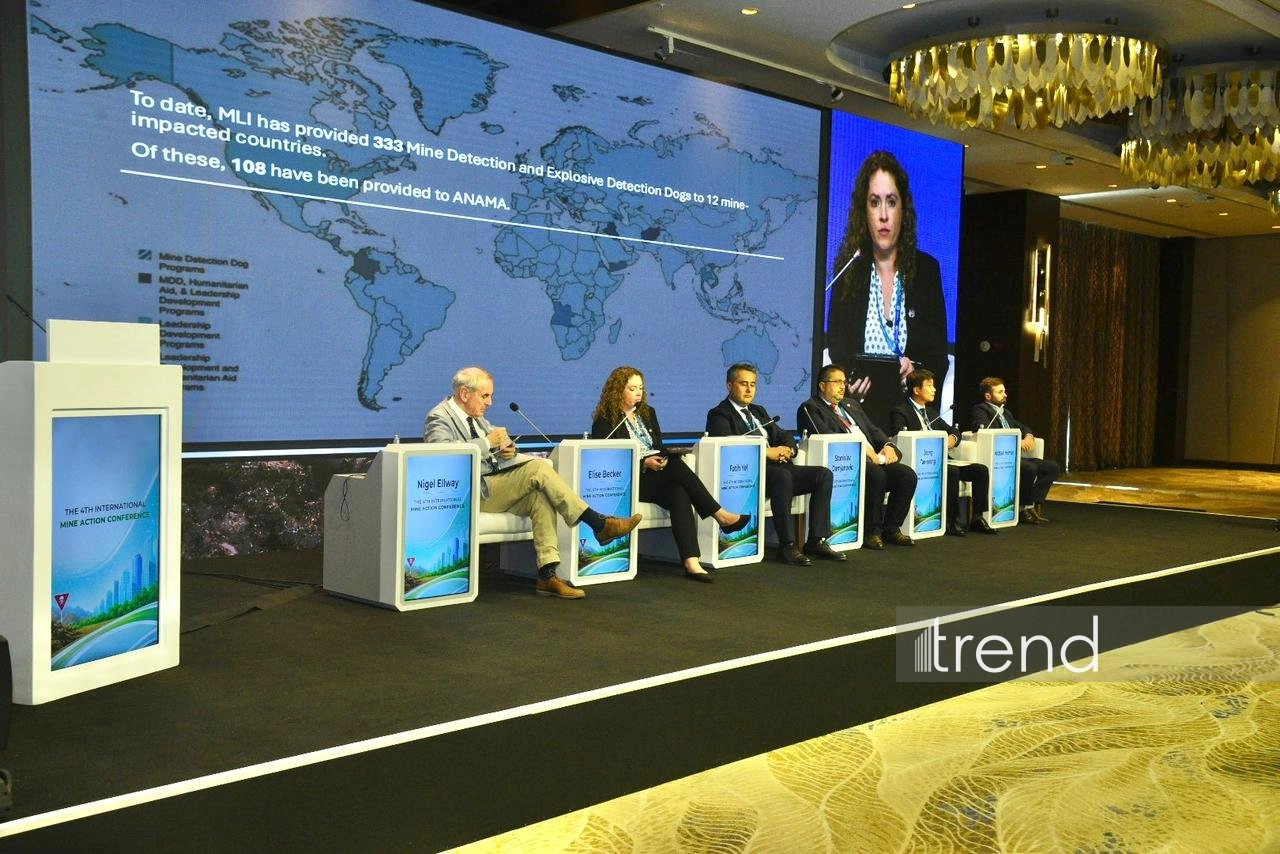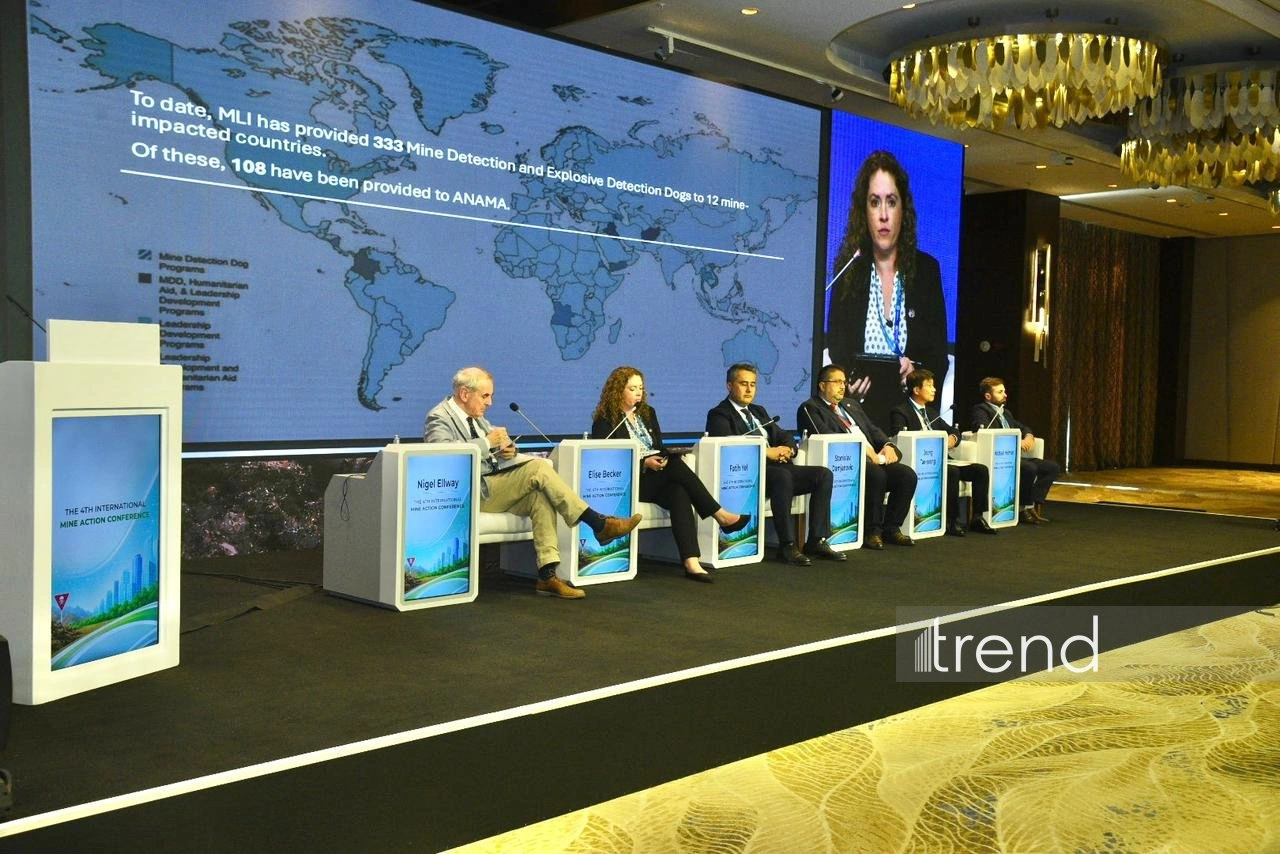
BAKU, Azerbaijan, September 3. The 4th
International Mine Action Conference, themed “Humanitarian Demining
for Urban Recovery: Setting Standards of Excellence for Safe
Settlements,” has hosted a panel discussion titled “Technology &
Innovation for Safer and More Effective Humanitarian Demining”,
Trend’s
correspondent reports from the event.
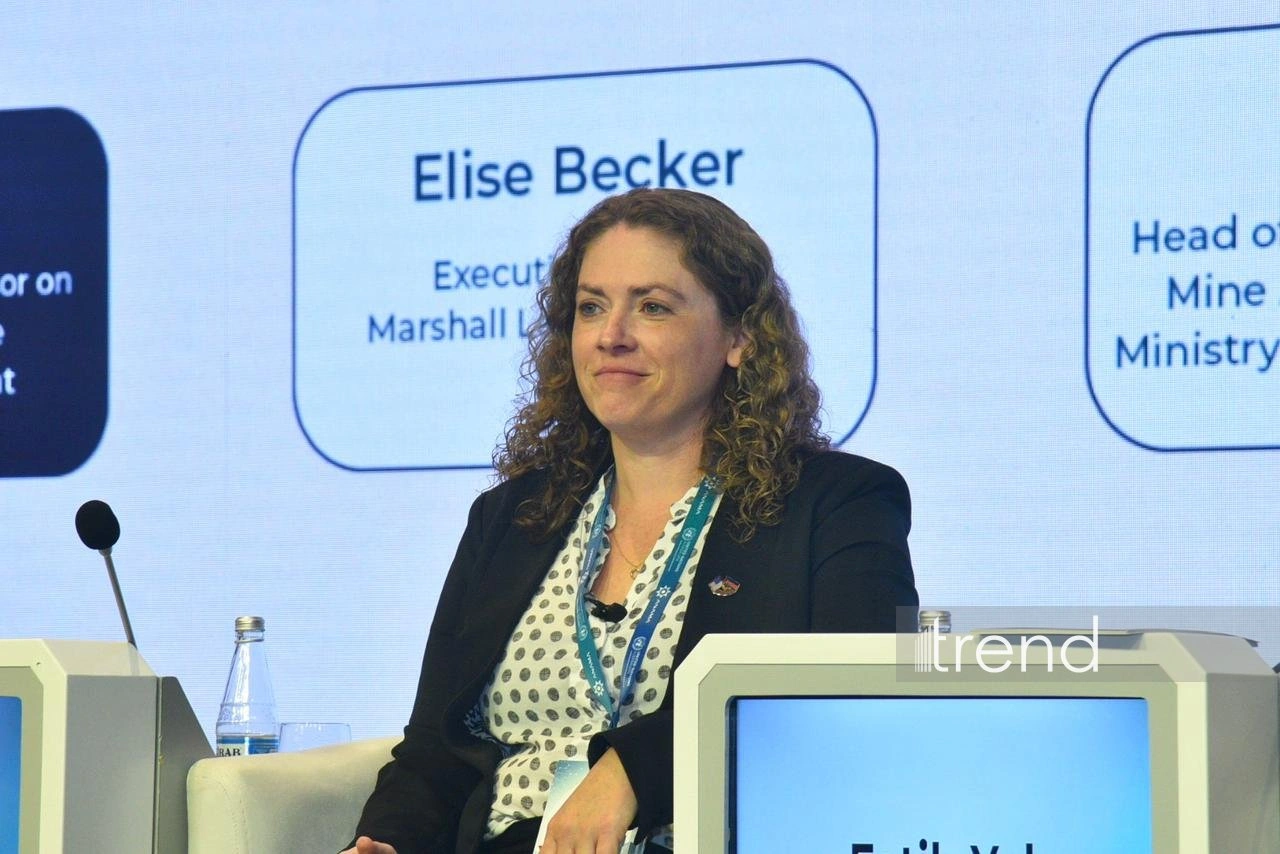
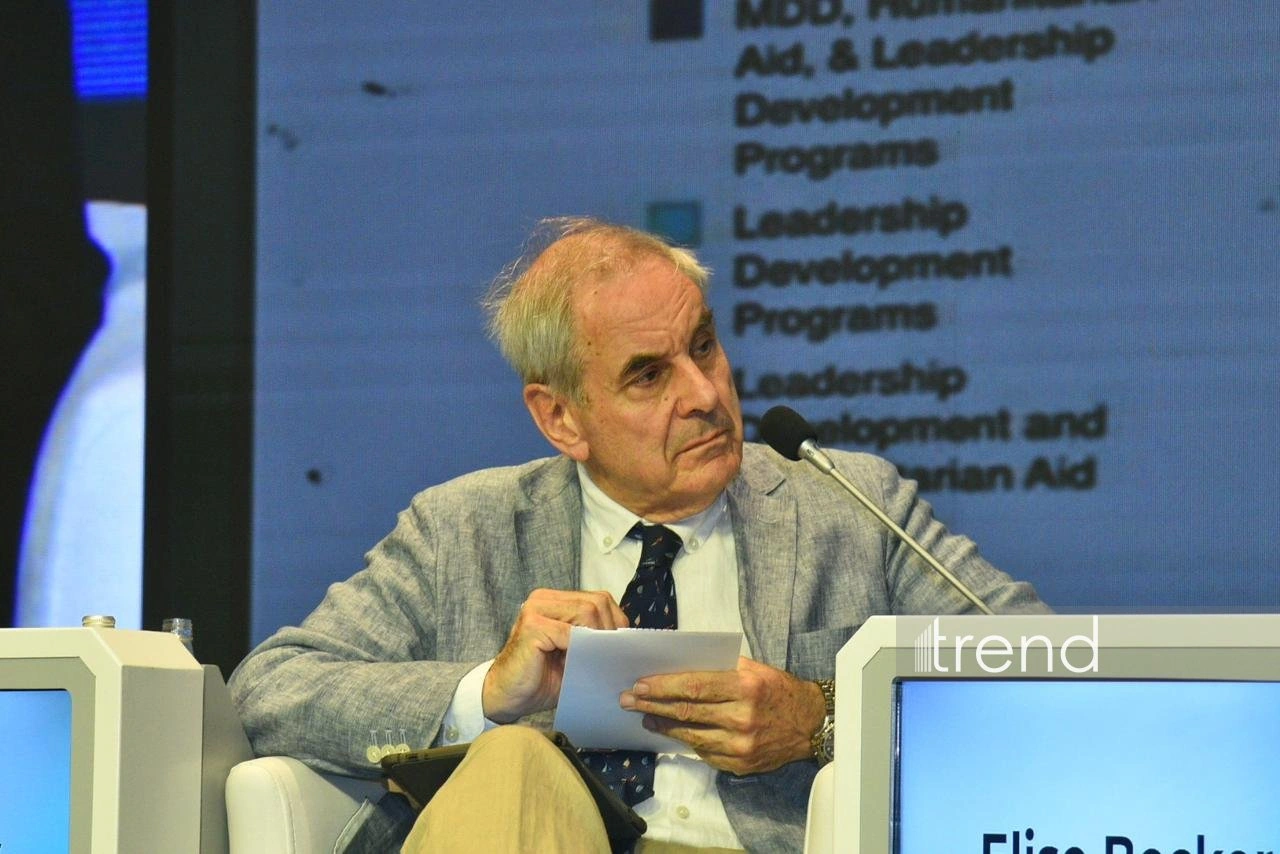
The discussions were moderated by Nigel Ellway, Parliamentary
special adviser on the Impact of Explosive Weapons, UK
Parliament.
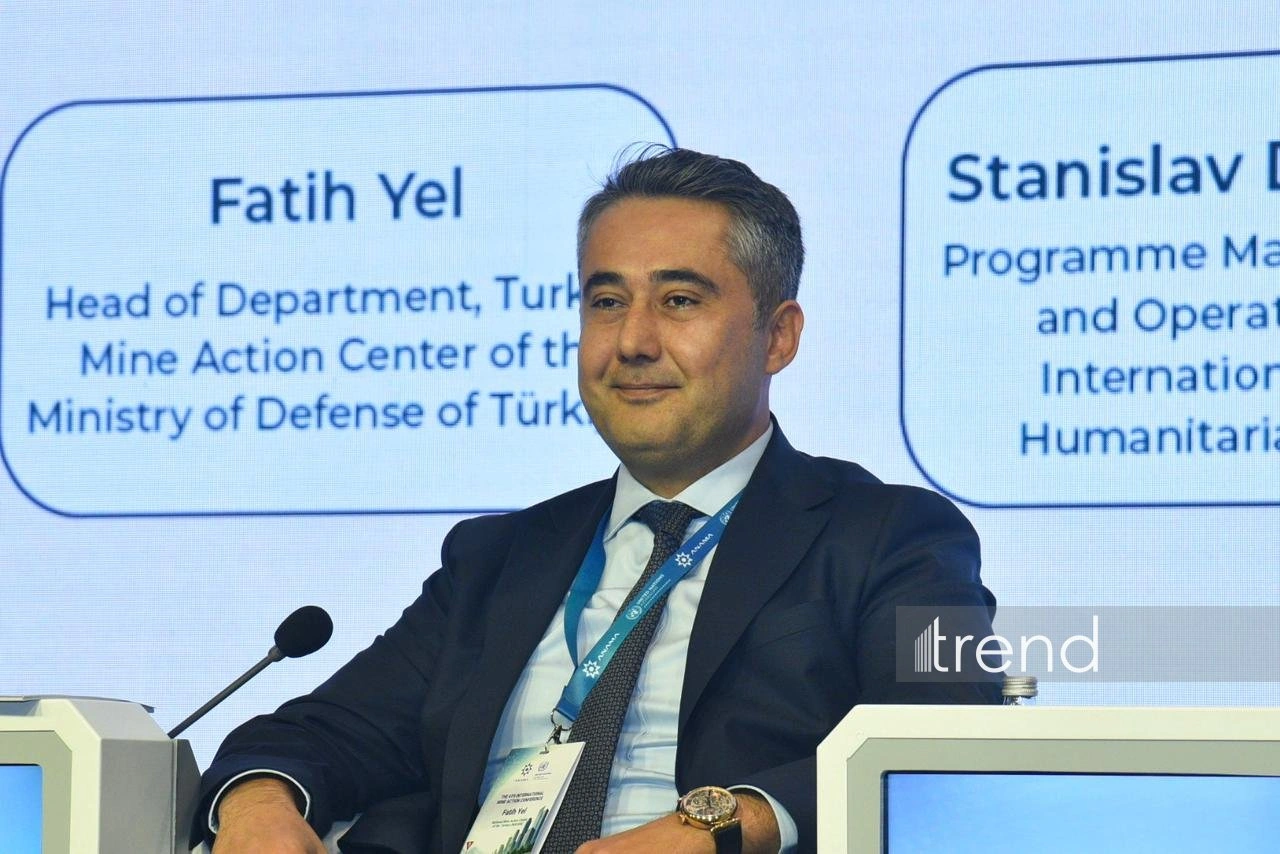
Speaking at the panel, Head of Department, Turkish Mine Action
Center of the Ministry of National Defense of Türkiye, Fatih Yel,
noted that the safety of a road, school, hospital, energy facility,
water pipeline, or housing project depends on the reliable
investigation, clearance, quality control, and commissioning of the
area where it is located.
"Mine clearance is the first step towards safe settlement. Here,
we must also take into account the fundamental difference between
military mine clearance measures and humanitarian mine clearance.
In military operations, the main goal is often to quickly open a
certain corridor to ensure the movement of troops. In humanitarian
mine clearance activities, the main goal is to ensure a high level
of clearance of the area," he said.
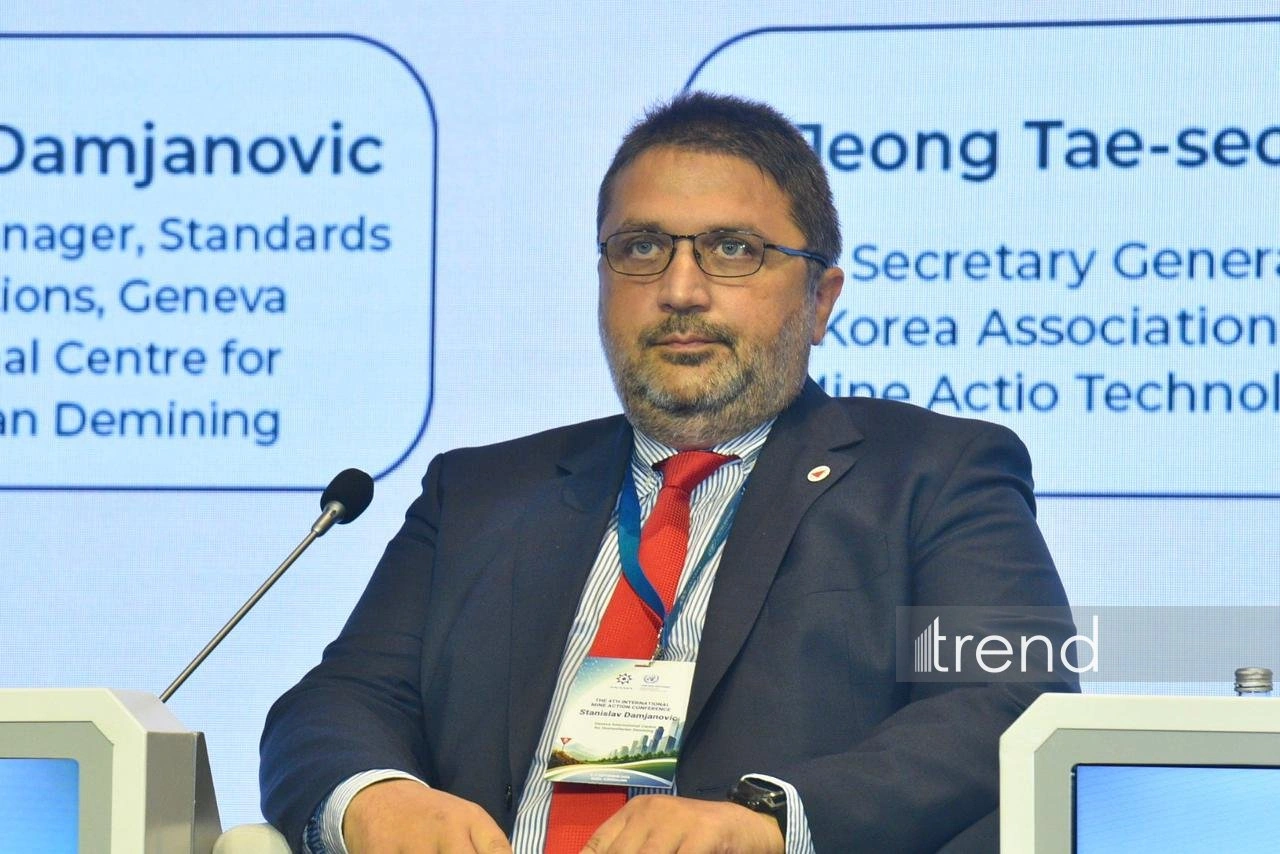
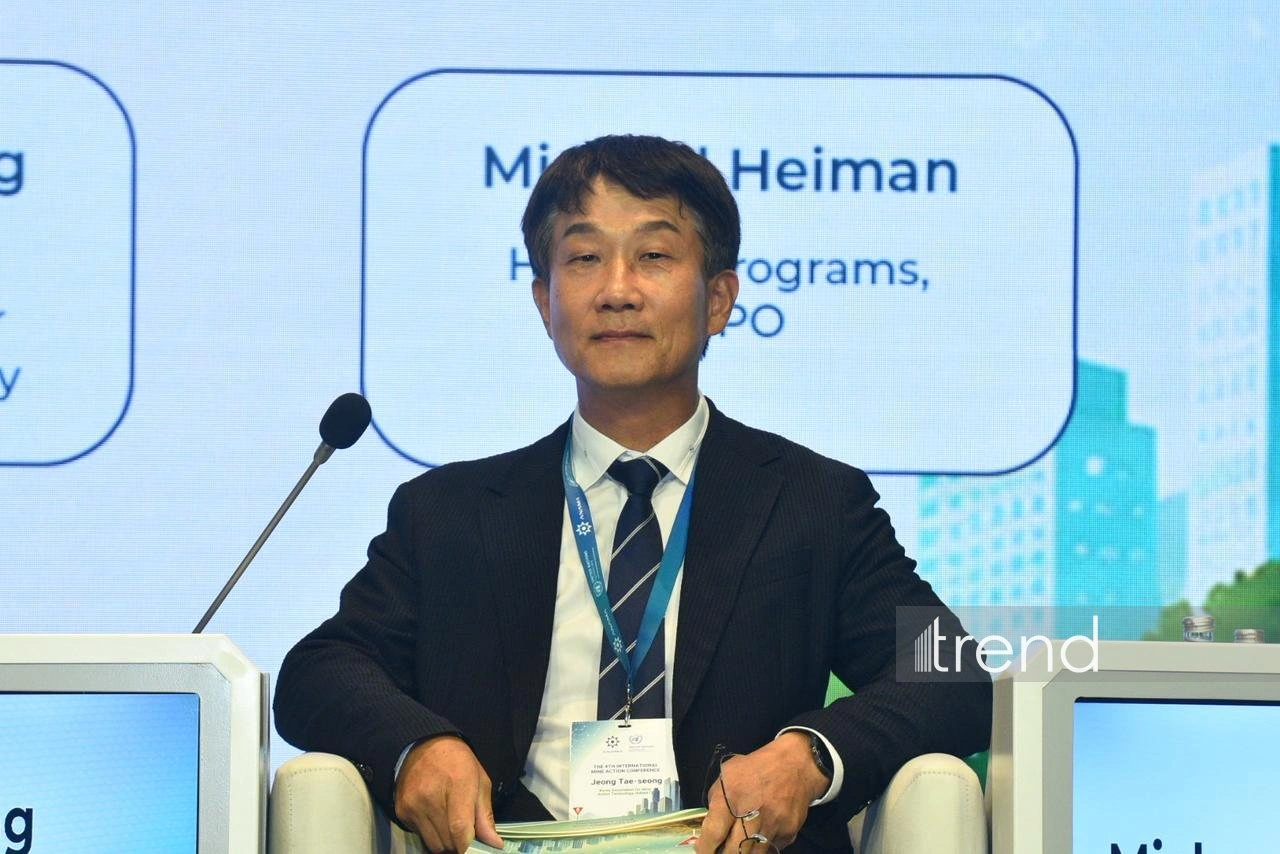
Programme Manager, Standards and Operations, Geneva
International Centre for Humanitarian Demining, Stanislav
Damjanovic, stressed that innovation in mine action is one of the
means to achieve better results and productivity.
“We heard good examples in this panel and previous panels of how
technology is improving the lives of people in the mine action
sector, while also helping mine action operators do their work more
efficiently and safely. Data management and digital tools
undoubtedly offer great opportunities for mine action.
Innovation can also involve new approaches and collaborative
partnerships. We think this is a very good example, and we hope
that similar initiatives will be replicated by other partners,” he
said.
The panel also exchanged views on strengthening national mine
action capacity through training, institutional development, and
international exchange of experience, and the application of
advanced technologies to increase the safety and effectiveness of
humanitarian mine action operations.
The discussions emphasized the importance of technological
innovations not only increasing the efficiency of operations, but
also the safety of mine workers, as well as the formation of a
balanced and coordinated approach between technology, safety, and
humanitarian objectives.
The 4th International Mine Action Conference, jointly organized
by the Azerbaijan National Agency for Mine Action (ANAMA) and the
UN Office in Azerbaijan, began in Baku on September 2.
The conference will conclude today. At the end, it's planned to
adopt a conference statement.