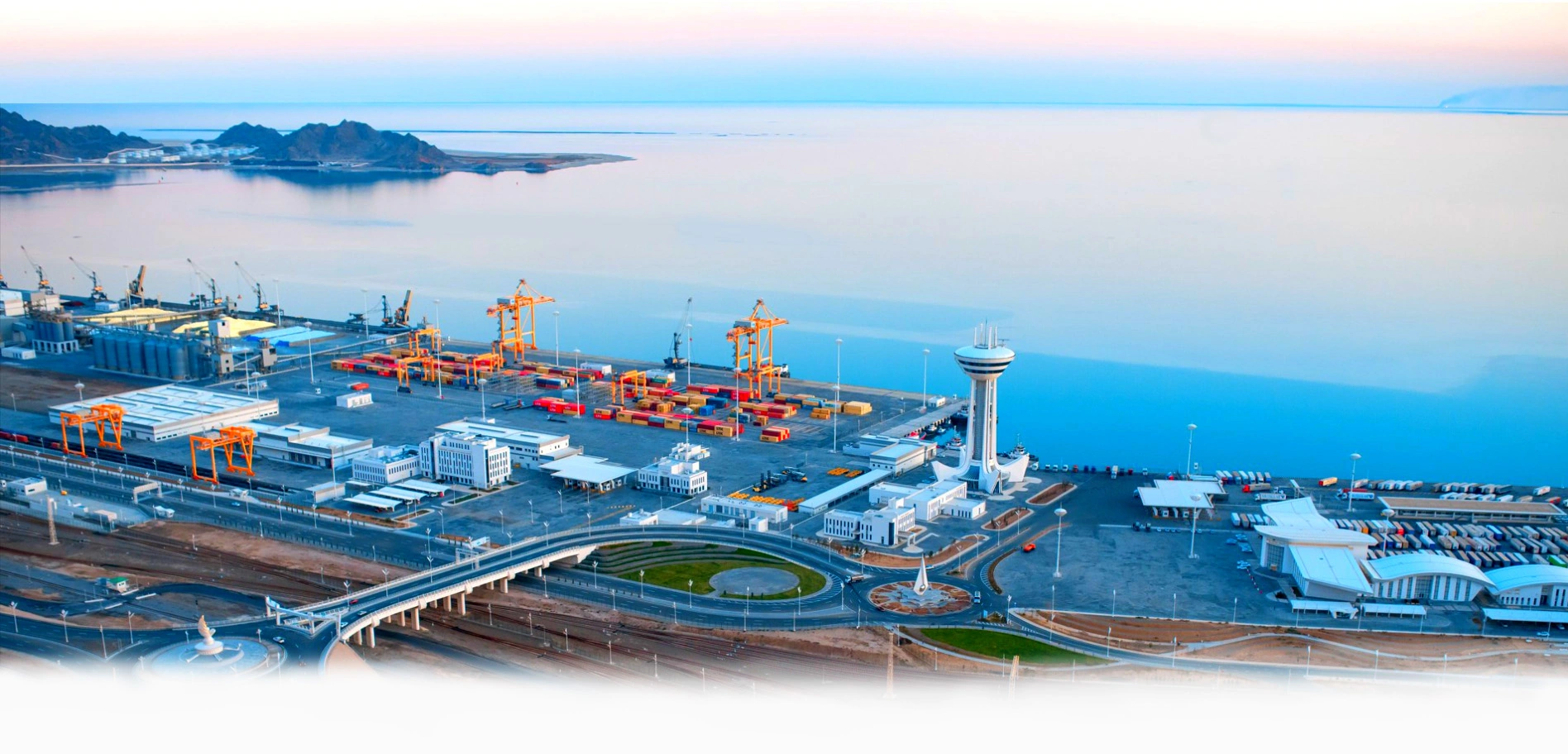
BAKU, Azerbaijan, September 3. Turkmenistan is
ready to expand transit shipments via its Caspian port
infrastructure, Chairman of the country’s Halk Maslahaty
(Parliament) Gurbanguly Berdimuhamedov said.
According to the press service of the Turkmenistan government,
Berdimuhamedov made these remarks during a general meeting at the
Ruhyýet Palace in the city of Arkadag.
“Our country is ready to consider proposals for using its port
infrastructure to accelerate and expand transit shipments along the
Trans-Caspian Corridor in the western direction,” he said,
outlining the country’s significant port infrastructure.
Gurbanguly Berdimuhamedov said the adoption of the Convention on
the Legal Status of the Caspian Sea had created favorable
opportunities for using the Caspian as a key transit route
connecting Southeast Asia with the western part of the continent
through Central Asia.
“In this regard, the eastern coast of the Caspian is gaining
exceptional importance,” he said.
Berdimuhamedov also highlighted Turkmenistan’s role in promoting
international transport cooperation, noting that six
transport-related resolutions had been adopted by the UN General
Assembly at the country’s initiative in recent years.
He said Turkmenistan would continue work on creating a Global
Atlas of Sustainable Transport Connectivity, describing it as a
comprehensive analytical and information tool for monitoring the
implementation of the UN Decade of Sustainable Transport for
2026-2035.
Meanwhile, Turkmenistan has been developing its transport sector
around the idea of turning its Caspian coast and road and rail
network into a transit bridge between Central Asia, the South
Caucasus and international markets. A key element is the
International Seaport of Turkmenbashi, which provides a maritime
link across the Caspian and is intended to support cargo flows
between Turkmenistan and Azerbaijan and onward to the South
Caucasus and Europe. The country has also invested in road and rail
links connecting the port with neighboring states and inland
destinations.
This infrastructure increasingly overlaps with the Middle
Corridor, or Trans-Caspian International Transport Route, linking
China and Central Asia with Azerbaijan, Georgia and Türkiye before
reaching European markets. The country has also been working on
digitalizing transit procedures, including the use of the e-TIR
system, to reduce paperwork and improve the movement of goods
across borders.
Another part of Turkmenistan's transit strategy is the
development of routes toward Afghanistan and Iran. The Lapis Lazuli
Corridor connects Afghanistan through Turkmenistan, the Caspian
Sea, and Azerbaijan with Türkiye and Europe, making Turkmenistan's
territory and the Port of Turkmenbashi part of a broader westward
trade route. Railway connections such as the Herat-Torghundi line
can further link Afghanistan's markets with Turkmenistan's
transport infrastructure. This makes the sector increasingly
important not only for transit revenues but also for diversifying
trade routes and strengthening Turkmenistan's position as a
logistics hub between Central Asia, the Caspian region, and
Afghanistan.