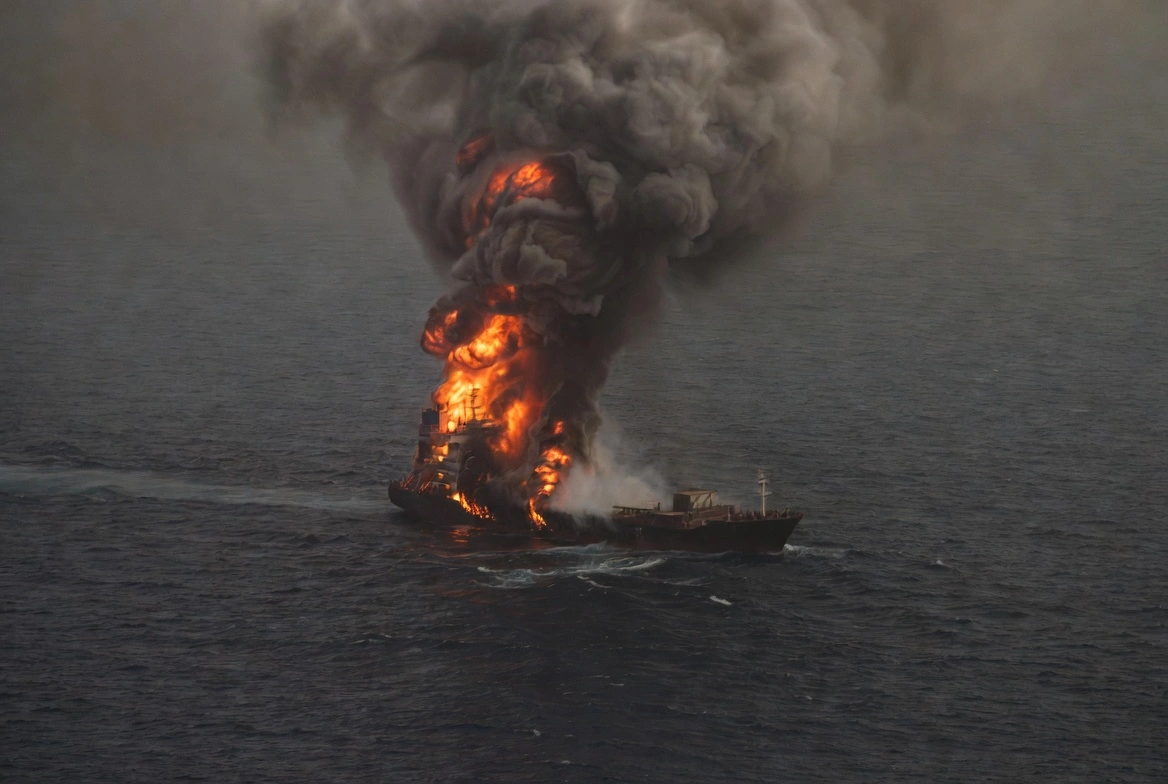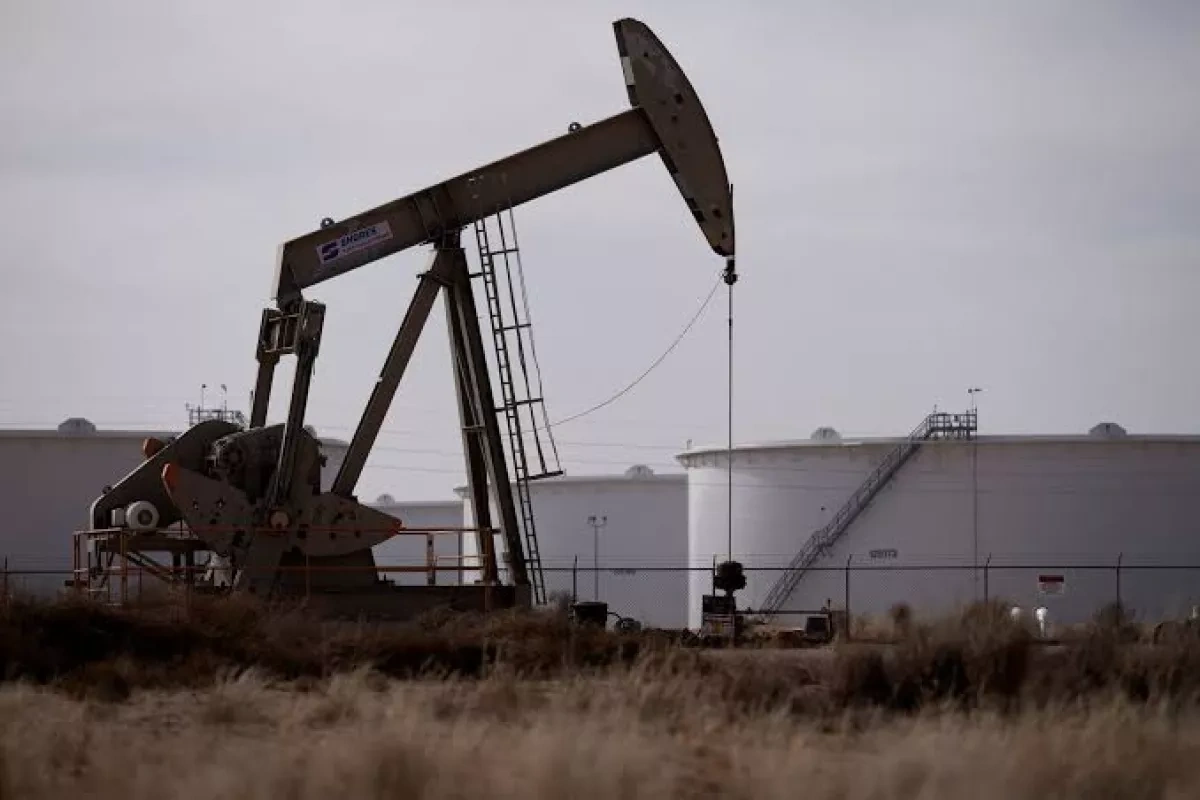
Oil prices have edged lower as investors assess the risk that renewed military strikes between the US and Iran could disrupt oil supplies from the Middle East.
Brent crude futures fell 0.62% to $95.04 a barrel, while US West Texas Intermediate crude was down 0.42% at $90.63, Caliber.Az reports via foreign media.
The latest attacks were described as the most substantial exchange of fire between the US and Iran since July. The conflict is now in its seventh month.
Oil prices had fluctuated sharply during the previous trading session, with both Brent and WTI moving between gains of about $2 a barrel and losses of $1. Their session highs were the highest since 24 July.
Prices later eased on tentative signs that the latest escalation could be subsiding. There had been no confirmed exchange of fire since around midday on September 2, Sydney time, according to IG analyst Tony Sycamore.
US President Donald Trump said on September 2 that the renewed US campaign against Iran would not continue for "too long". He said US forces had targeted Iranian radar and missile systems.
"We took out all of the new equipment that they tried to build along the Strait of Hormuz – some defensive, some offensive ... It was a very heavy attack last night, and we're prepared to do another one any time we want," Trump said.
Mr Sycamore said that if the easing in tensions continued, oil shipments through the Strait of Hormuz could return towards levels seen at the end of the previous week.
"If that easing holds, and it is a big if, it won't be long before oil moving out of the Strait via dark-ship transits and ship-to-ship transfers returns to the levels we saw at the end of last week," Sycamore said.
Preliminary shipping data from Kpler showed that four commodity vessels transited the Strait of Hormuz on September 2, below the 10-day average of about 13.
Iran has also added more ships to a list of vessels it considers non-compliant and which could face fines, confiscation or detention if they attempt to pass through the strait.
Meanwhile, Iraq increased its oil exports to about 2.34 million barrels per day in August, up from around 1.35 million bpd in July, according to two Iraqi energy officials.
September exports are also expected to rise, with heavy discounts and Iranian approval for Iraqi tankers to pass through the Strait of Hormuz encouraging buyers.
The US said on September 1 that 17 million barrels of oil had passed through the Strait of Hormuz on August 31, describing it as the largest volume of crude to transit the waterway since the US-Israeli war on Iran began.
By Aghakazim Guliyev