BAKU, Azerbaijan, September 1. Belgian Jan De
Nul has started dredging the access channel and turning basin of
Georgia’s new Anaklia Deep Sea Port, the company said.
The works are being carried out by Jan De Nul’s Tristão da Cunha
and Al-Idrisi dredging vessels, which are deepening the access
channel to 17.5 meters to enable the future port to receive large
Panamax and Post-Panamax vessels.
The company is also constructing a 1,380-meter breakwater at the
port in a joint venture with Georgia’s Prime Concrete. The
structure will protect the port’s maritime area and create a
sheltered zone for vessels to enter, maneuver and berth.
Dredging is scheduled to continue until the end of 2026, while
construction of the breakwater is expected to be completed by the
end of 2027.
The first phase of the new port is scheduled for completion in
2029 and is planned to provide annual container-handling capacity
of at least 600,000 TEUs.
A second phase is expected to increase the port’s annual
container capacity to at least 1 million TEUs by 2035, according to
Jan De Nul.
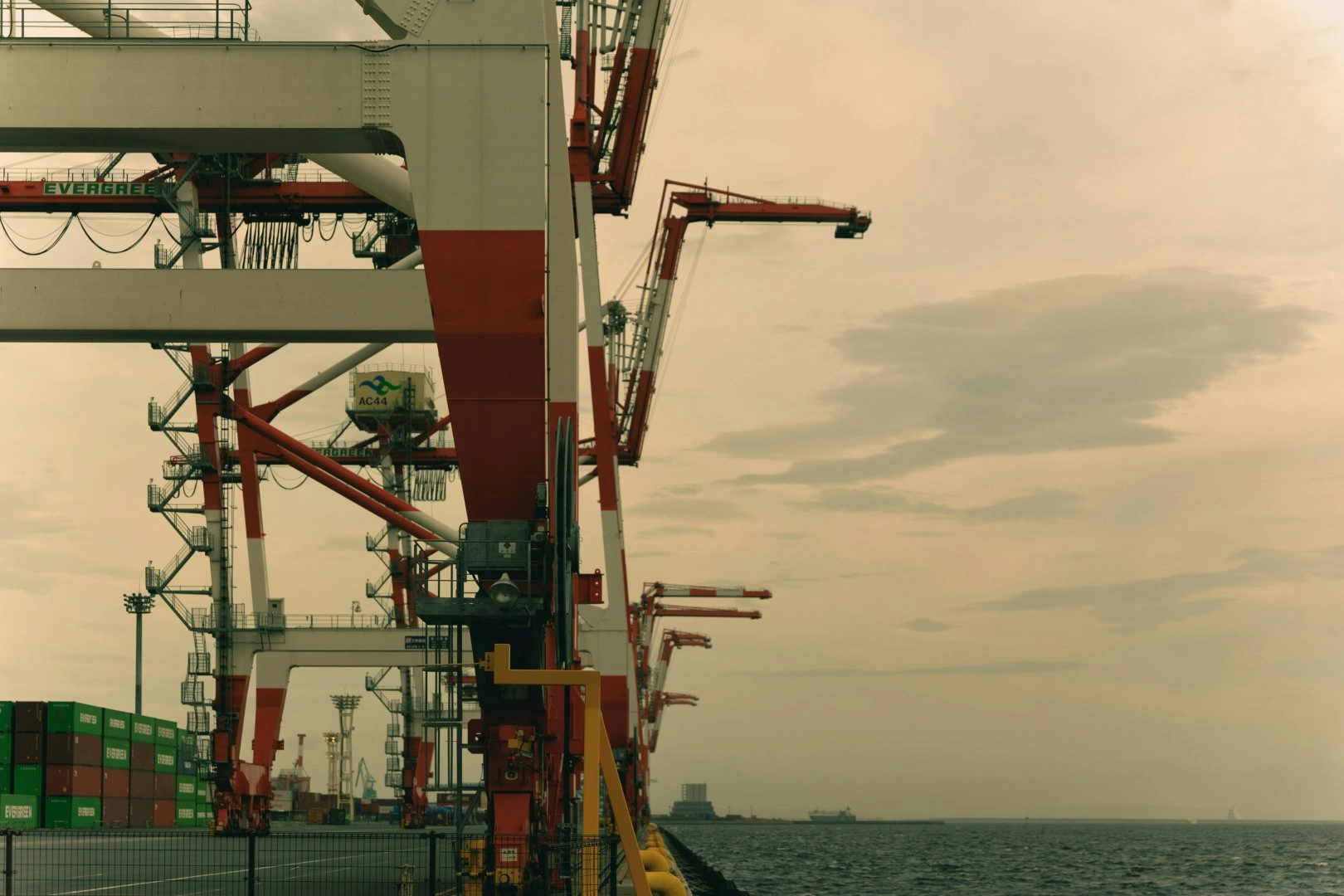
Meanwhile, Anaklia is intended to address capacity constraints
in Georgia’s existing port infrastructure as container traffic
through the country continues to grow. Poti, Georgia’s main
container port, handled a record 636,466 containers in 2025, up 17%
from 2024, but its potential for further expansion is constrained
by available space and infrastructure.
The new port is therefore designed to provide additional
maritime capacity at Georgia’s Black Sea gateway and strengthen the
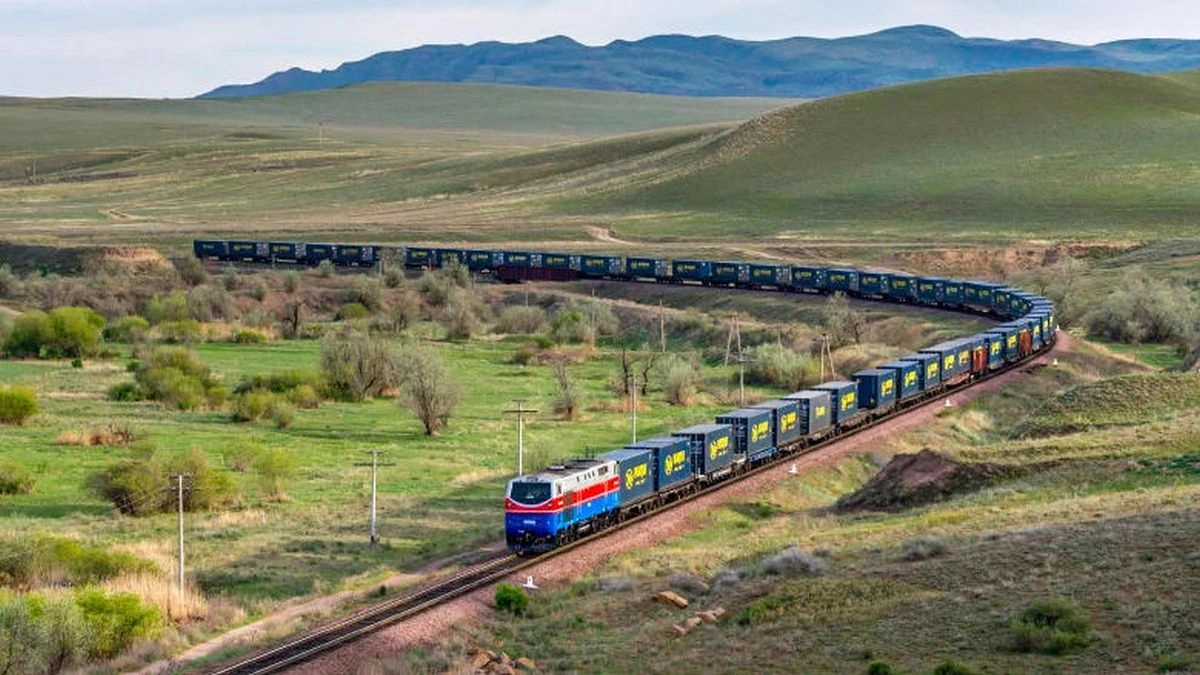
country’s role in the Middle Corridor, which connects Central Asia
and China with Europe via the Caspian Sea, Azerbaijan and Georgia.
The corridor remains substantially smaller in capacity than the
northern route, making infrastructure expansion at its individual
sections important for its further growth.
For Georgia, Anaklia also provides an opportunity to diversify
its port infrastructure rather than relying primarily on the
existing Poti and Batumi facilities. The project is being developed
under a landlord model, with the Georgian state retaining ownership
of the core infrastructure while private partners participate in
terminal development and operations.
Georgia selected Belgian Jan De Nul to build the marine
infrastructure of the Anaklia Deep Sea Port following an
international tender launched in March 2024. The tender was limited
to the so-called “Big Four” European dredging companies - Boskalis,
DEME, Jan De Nul and Van Oord - which were selected because of
their extensive experience in marine construction and access to
specialized dredging fleets.
Jan De Nul was subsequently named the winner in August 2024. The
Georgian Economy Ministry said the company was selected because of
its extensive international experience and specialized fleet for
both dredging and breakwater construction, which are the core
marine infrastructure works required for Anaklia.
The company’s role is therefore focused on preparing the
maritime infrastructure of the port, while the broader Anaklia
project involves separate arrangements for the port’s development
and operation. Jan De Nul itself describes the project as part of
its wider work on the Middle Corridor, alongside the expansion of
Kuryk Port in Kazakhstan.