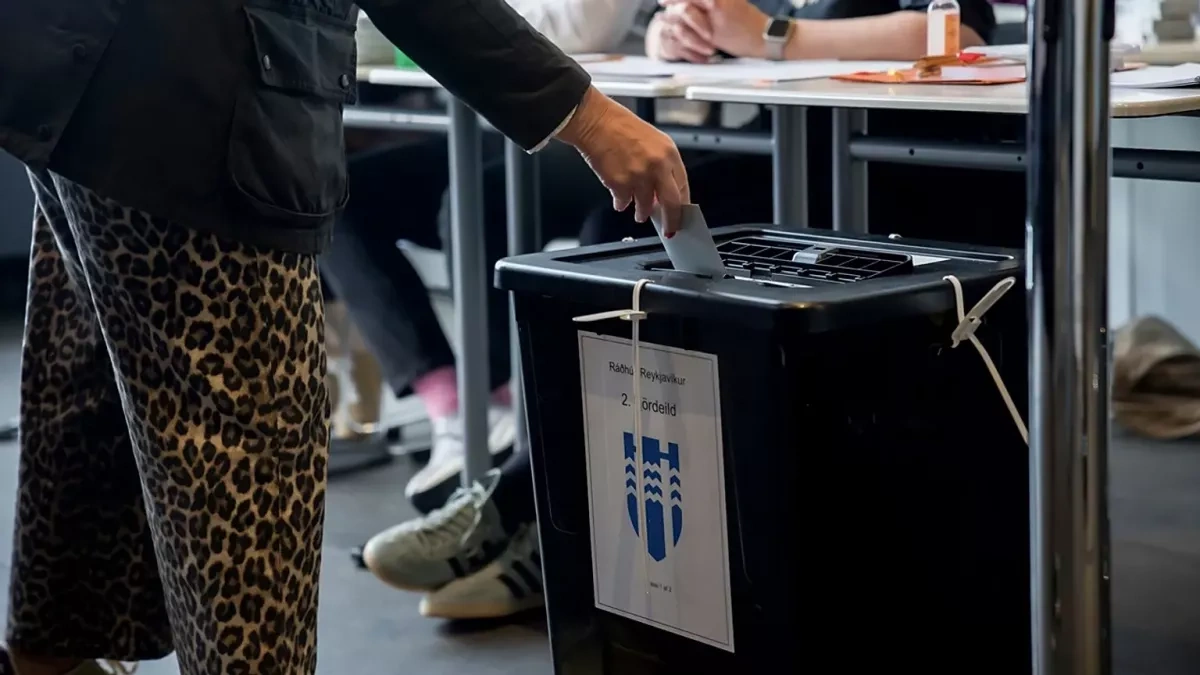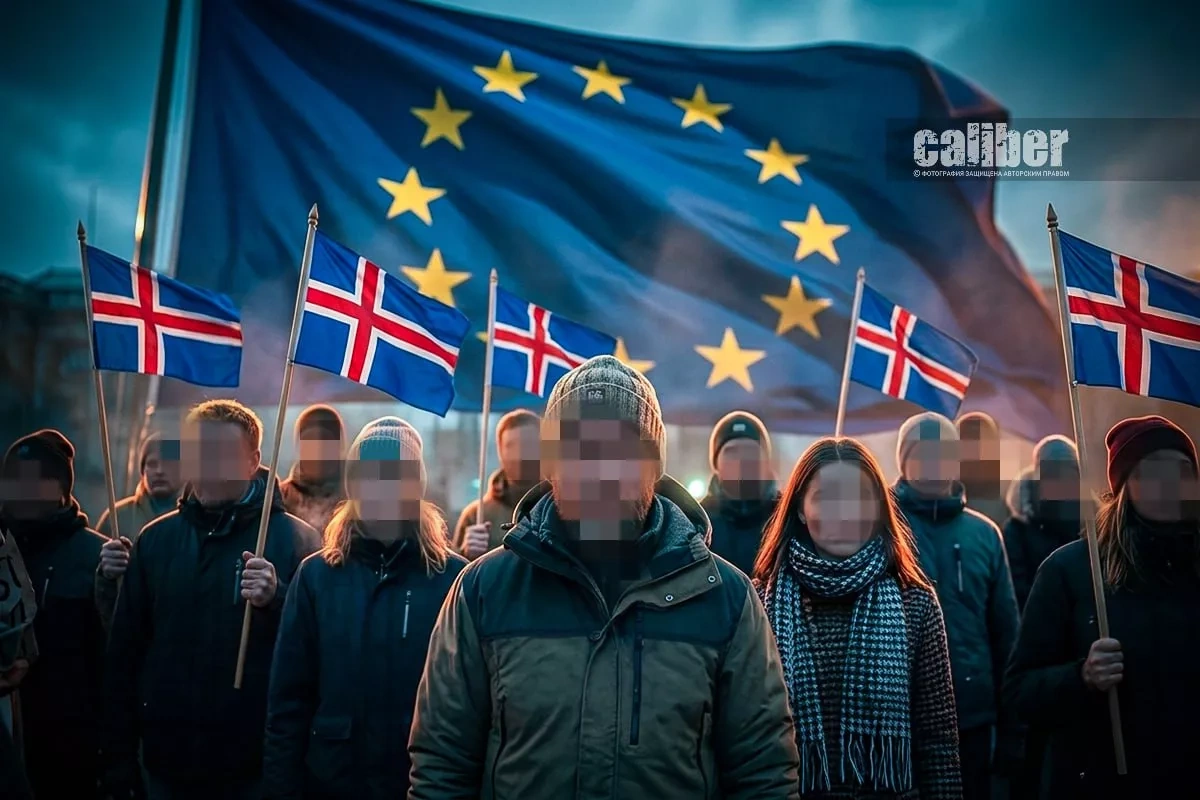
Icelanders have delivered a decisive verdict on the country’s future relationship with the European Union. In a referendum held in recent days, voters rejected the government’s proposal to resume negotiations on EU membership. With a record turnout of 82.5%, 52.8% voted against reopening accession talks, while 47.2% supported the proposal.
The results reveal a clear geographical divide. Reykjavik backed a return to the negotiating table, with 57.5% support in the northern part of the capital and 54.5% in the south. Rural Iceland, by contrast, delivered a decisive rejection: 62.9% in the Northwest, 61.2% in the Northeast, and 60% in the Southern constituency.
In other words, the referendum exposed a familiar political fault line: an urban Iceland that is more receptive to closer European integration versus a more traditionally minded rural electorate. This time, the countryside prevailed.
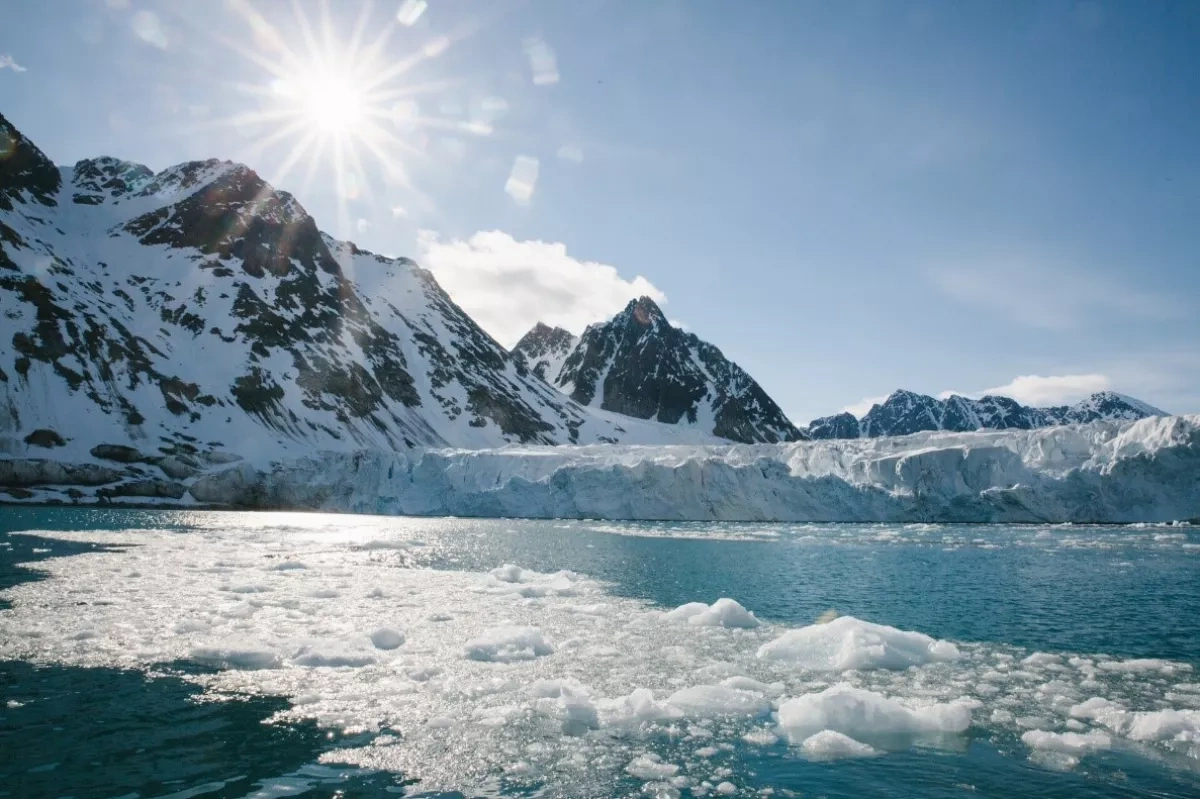
The outcome is particularly significant given the Arctic’s growing strategic and security importance. Despite mounting geopolitical pressures in the region, Icelandic voters have chosen to maintain the country’s existing course of neutrality rather than pursue closer institutional integration with the EU.
Prime Minister Kristrún Frostadóttir has already made clear that, as long as her left-centrist coalition remains in government, EU membership will not return to the political agenda.
But what explains Iceland’s rejection of renewed EU accession talks? What does the decision mean for the country itself, for the European Union, and for the rapidly changing geopolitical landscape of the Arctic?
Let us examine the key factors behind the vote, as well as the potential advantages and disadvantages it creates for Iceland, the EU, and the wider Arctic region.
When fishing outweighs Geopolitics
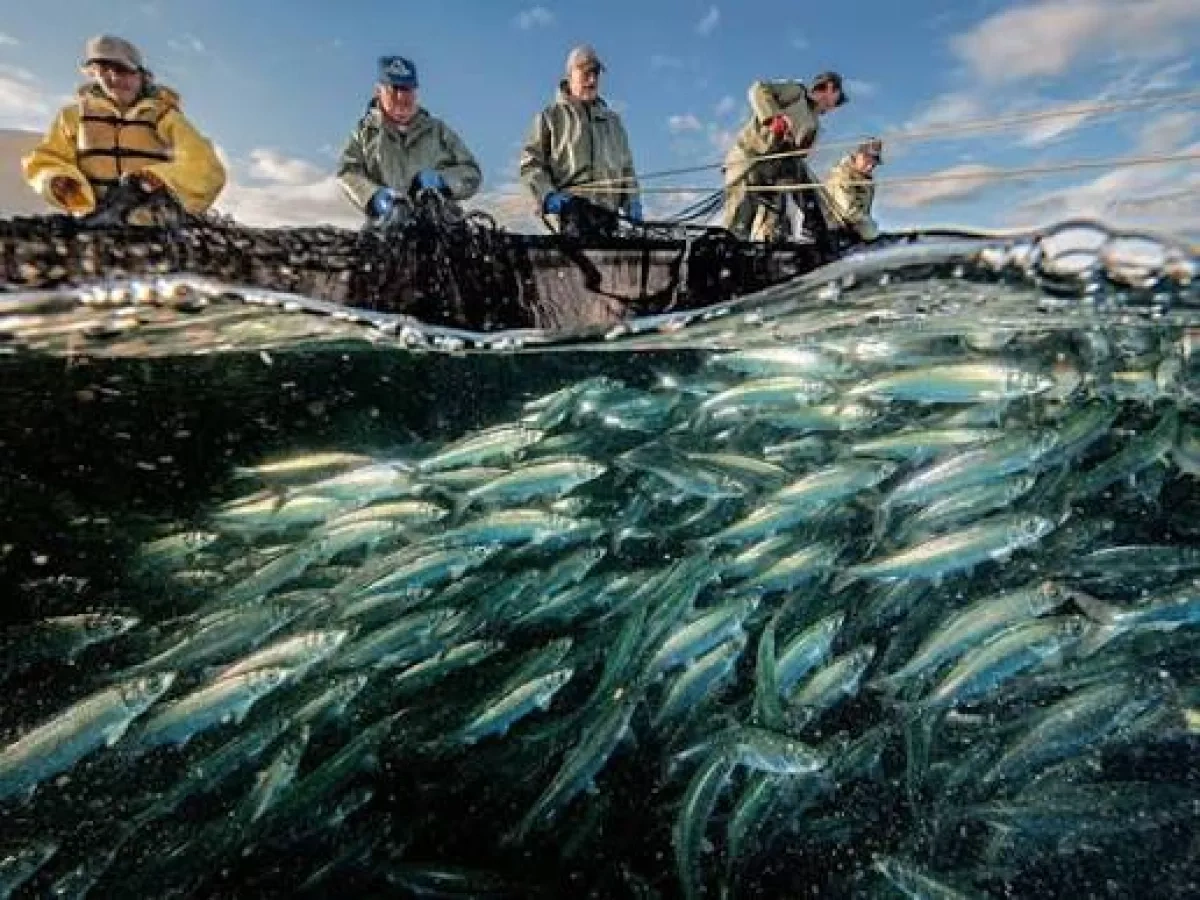
If we examine the referendum results from an economic perspective, one of the main reasons Icelanders rejected the proposal to resume European integration talks was their determination to retain full control over the country’s natural resources — above all, its fisheries, which account for a significant share of Iceland’s exports.
The legacy of the so-called Cod Wars between Iceland and the United Kingdom almost certainly played a role in shaping this sentiment. Those confrontations underscored the importance Iceland places on maintaining national control over its marine resources rather than transferring authority over them to a supranational institution. Economic analyses likewise point to fisheries as one of the central arguments used by opponents of closer European integration.
From a geopolitical perspective, however, the referendum result highlights an important distinction: Iceland has not chosen isolation from Europe; it has chosen to preserve its existing model of relations with the European Union.
Under this arrangement, Iceland is already part of the European Economic Area and the Schengen Area, giving its citizens and economy many of the practical benefits associated with European integration while allowing the country to retain control over key areas of national policy.
For a majority of Icelanders, therefore, the question was not whether to be part of Europe, but how to engage with Europe without becoming an EU member.
A slap in the face for Brussels
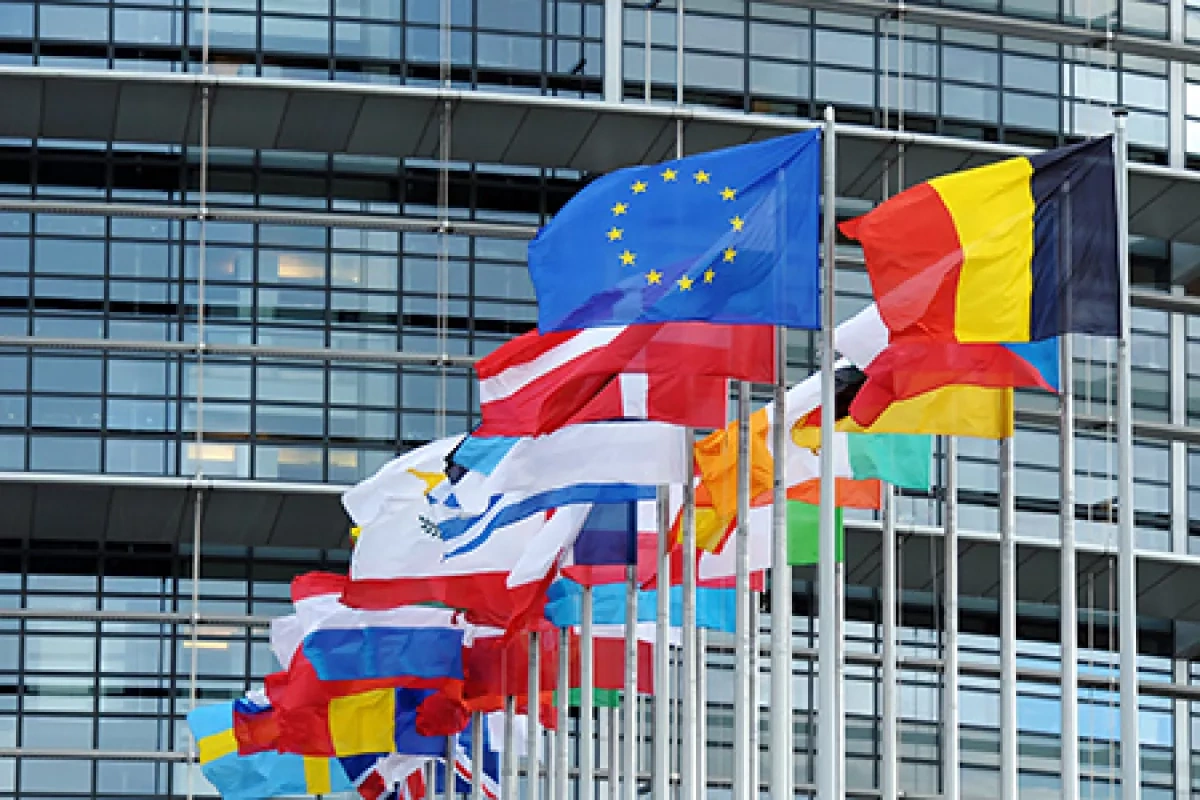
For Brussels, the outcome of Iceland’s referendum was likely an unwelcome surprise, particularly at a time when the European Union is seeking to expand and strengthen its position in the Arctic amid intensifying geopolitical competition. Bringing a prosperous northern European country into the “European family” would have given the EU an additional foothold and potentially strengthened its influence in the increasingly strategic Arctic region.
Yet despite US ambitions regarding Greenland and the growing activity of Russia and China across the Arctic, Iceland has chosen to preserve its existing relationship with the EU rather than deepen institutional integration. In this sense, Brussels was left empty-handed.
The message from Iceland’s voters is significant: geopolitical uncertainty alone is not enough to persuade them to give up elements of national sovereignty, particularly when the country has managed to recover from the 2008 financial crisis and maintain a relatively strong economic position.
More broadly, the referendum illustrates the limits of European integration and offers a noteworthy signal about the EU’s future enlargement. Europe remains attractive, but its appeal is not unconditional. For some countries, the economic and political benefits of closer integration may simply not outweigh the perceived costs of transferring additional powers to supranational institutions.
At the same time, the European Union’s official reaction has been notably restrained, with no apparent signs of serious dissatisfaction. European Council President António Costa, for instance, said that he fully respected the democratic choice of the Icelandic people.
This measured response may also reflect a degree of strategic patience in Brussels. The EU may calculate that geopolitical and geo-economic conditions will evolve over time, potentially prompting Icelanders to reconsider their position.
What does this mean for the “Crown of the Earth”?
Whatever the outcome of the referendum, Iceland is simply too strategically important to be overlooked. Situated at the intersection of the North Atlantic, Greenland and the European Arctic, the country is likely to remain a key focus of EU attention. Brussels can therefore be expected to put a positive spin on an undoubtedly unwelcome outcome and seek to deepen cooperation with the “Land of Ice” through existing mechanisms, while simultaneously strengthening its presence in the Arctic — including by seeking a greater political role in discussions concerning Greenland.
Overall, Iceland’s referendum does not close the door on the EU’s ambitions in the Arctic. Instead, it demonstrates that Brussels will have to build its Arctic strategy primarily through partnership rather than enlargement.
For the Arctic itself, the outcome reinforces the region’s increasingly multipolar character. Iceland remains an independent state; the EU an important economic and political partner; NATO the cornerstone of regional security; and the United States a central military power. This configuration makes it considerably less likely that the Arctic will evolve into an exclusively “European” or exclusively “American” sphere of influence.