BAKU, Azerbaijan, August 29. Turkmenistan has
approved major overhaul works at facilities of the Turkmenbashi
Complex of Oil Refineries (TCOR).
This was reflected in the statement of the Turkmen government,
published following a regular Cabinet of Ministers meeting chaired
by President Serdar Berdimuhamedov via digital system.
Deputy Chairman of the Cabinet of Ministers G. Agajanov briefed
the president on measures being taken to ensure the uninterrupted
operation of oil refineries under the Turkmennebit State
Concern.
According to the report, work is underway to modernize the
refining industry and make more efficient use of industrial
facilities. Particular attention is being paid to ensuring reliable
power supply to the technological facilities of the Turkmenbashi
complex.
A relevant proposal was submitted to the president for
consideration. After hearing the report, Berdimuhamedov highlighted
ongoing efforts to develop the country’s oil and gas sector and
increase existing production capacities.
"The president approved the proposal to carry out major overhaul
works at facilities of the Turkmenbashi Complex of Oil Refineries
and instructed the relevant authorities to take the necessary
measures," the statement of the government notes.
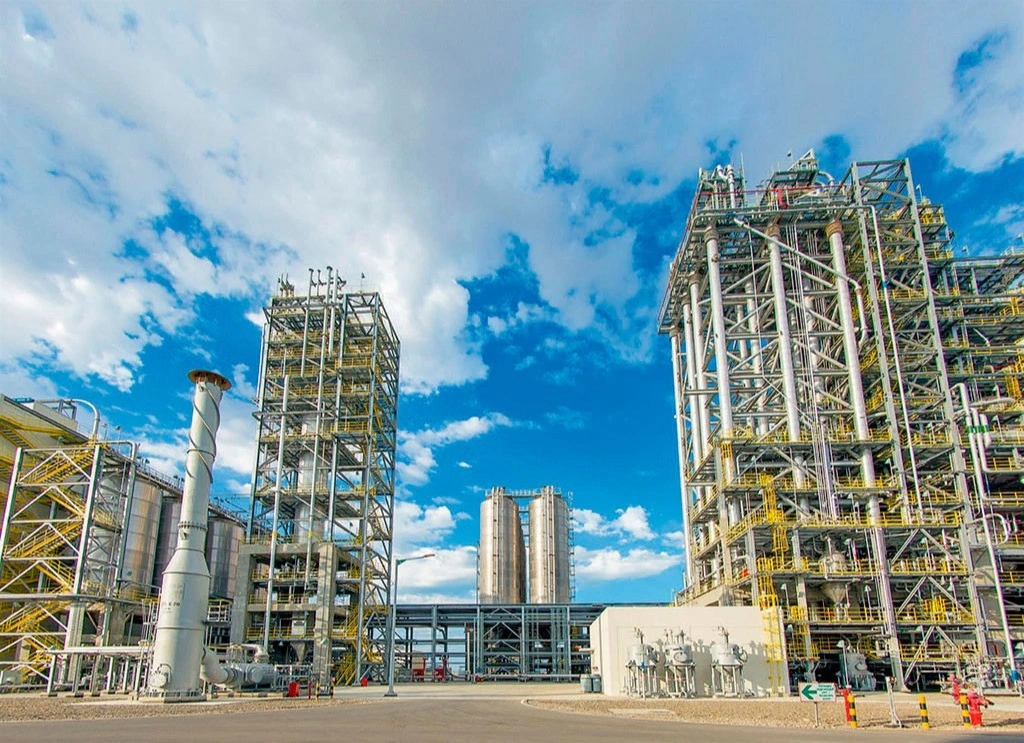
The Turkmenbashi Complex of Oil Refineries is
Turkmenistan’s largest refining facility and a cornerstone of the
national petrochemical industry. In 2025 the complex processed
approximately 4.96 million tons of crude oil, an increase of nearly
8% year-on-year, producing around 1.48 million tons of gasoline,
1.54 million tons of diesel fuel, 434,000 tons of kerosene, as well
as liquefied gas, polypropylene, lubricating oils and bitumen. The
complex has undergone successive modernization stages, including
projects implemented with South Korean companies (Hyundai
Engineering and LG International) for sulfur-removal units and
high-octane gasoline production, and Turkish firms for
power-generation upgrades. Continuous investment in infrastructure,
including the Kenar storage and loading terminal, supports both
domestic fuel supply and exports through the Caspian port of
Turkmenbashi.